The financial reality of studying in the United States is shifting dramatically. If you are tracking American immigration policy, you already know that a controversial proposal to slap a massive $100,000 fee on the Optional Practical Training (OPT) program has cleared White House regulatory review.
For thousands of Indian students who view an American degree as a ticket to global tech and corporate experience, this development feels like a sudden anchor dropped in the middle of a sprint. Let's break down what this actually means, why the panic might be slightly premature, and how you need to adjust your strategy right now.
What Is the OPT Program and Why Is Everyone Freaking Out?
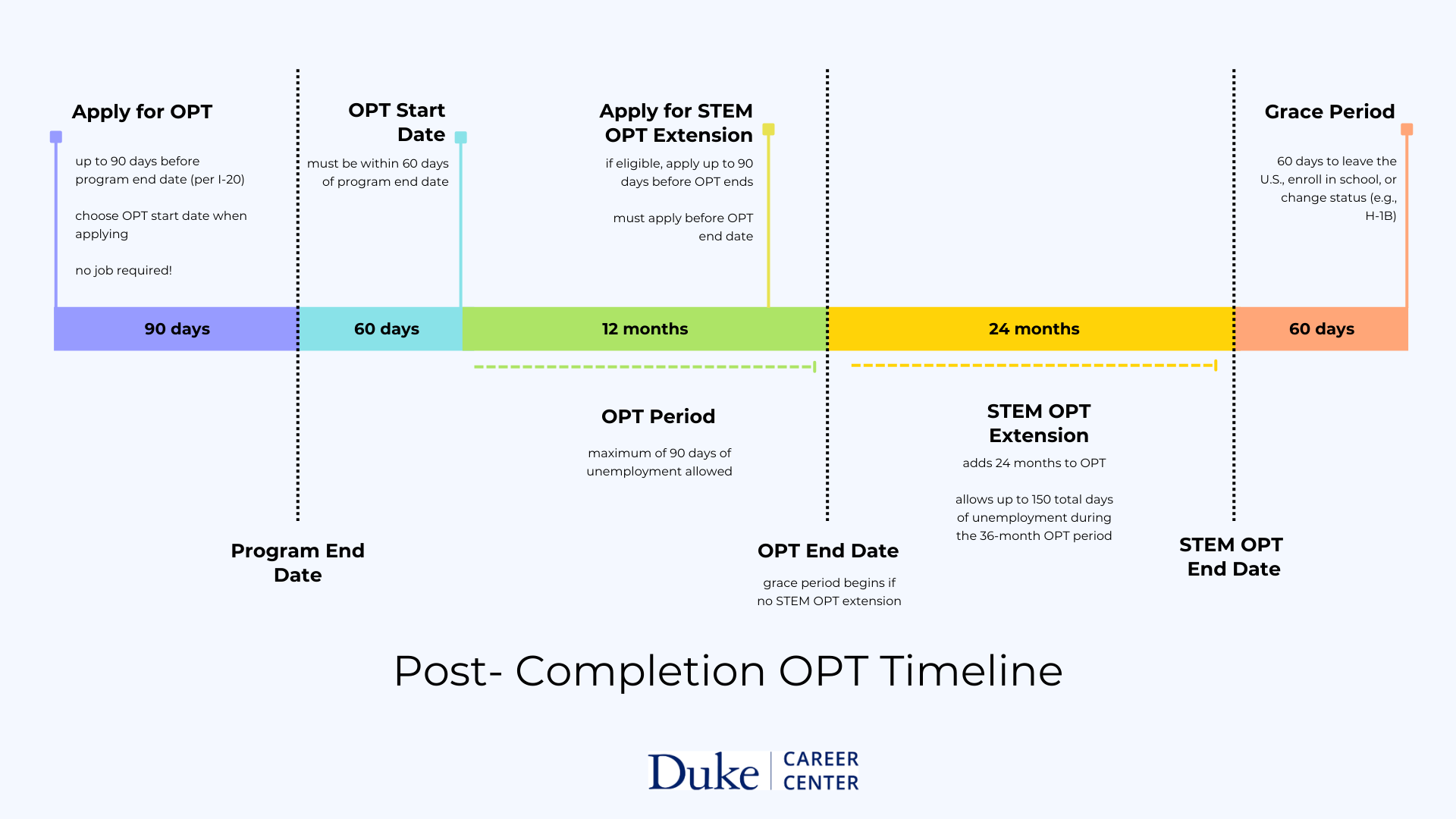
To understand the weight of this proposal, you have to look at how the system works. Right now, international students holding an F-1 visa can work in the US for up to 12 months post-graduation. If you studied a qualifying science, technology, engineering, or mathematics (STEM) field, you get a 24-month extension. That gives you three total years to gain real-world experience, pay down education loans, and crucially, find an employer willing to sponsor your H-1B visa.
Around 300,000 students rely on OPT authorizations annually. It is the bridge between a university classroom and a corporate career. Without it, the return on investment for an American master's degree collapses. Families drain savings or take on massive non-collateralized loans assuming that a US salary will service that debt. Adding a six-figure regulatory hurdle to that equation completely alters the math.
The Logistics Problem That Makes No Sense
When the Office of Information and Regulatory Affairs (OIRA) cleared the proposal, policy analysts immediately spotted a massive logical flaw. Who is supposed to write this check?
The Department of Homeland Security text does not clearly specify whether the student or the hiring employer carries the financial burden. If universities or employers are expected to pay, the system breaks down. Why would a major tech firm or a mid-sized consultancy pay a six-figure penalty just to hire an entry-level graduate when they can source domestic talent or shift roles offshore? Alternatively, if the cost falls on the graduate, you introduce an extreme barrier that selects strictly for family wealth rather than technical aptitude.
Industry commentators have pointed out the obvious contradiction. You do not strengthen domestic educational institutions or protect local labor markets by financially punishing the very graduates who make those programs globally competitive.
The Broader Trend Against Foreign Talent
This OPT proposal does not exist in a vacuum. It follows a nearly identical playbook deployed against the H-1B visa category, where the administration attempted to institute a similar $100,000 fee structure. That H-1B attempt faced immediate pushback from corporate heavyweights and was subsequently blocked by a federal appeals court for lacking statutory backing.
Yet, the pivot toward targeting students already inside the US borders suggests the administration is looking for alternative leverage points. Major corporations are already reacting. For instance, massive consulting operations are quietly rolling back visa sponsorships for certain divisions, signaling that the corporate appetite for navigating high-cost immigration hurdles is cooling down.
What Happens Next in the Rulemaking Timeline
Clearing White House review does not mean the fee is active tomorrow.
The text must still be published as a proposed rule in the Federal Register. That triggers a mandatory public comment period where universities, legal coalitions, and industry associations will file formal objections. Based on how previous immigration executive actions played out, expect immediate legal challenges arguing that administrative agencies cannot invent multi-thousand-dollar taxes without explicit congressional approval.
If you are currently enrolled or planning to apply for an F-1 visa, do not panic based on headlines alone. However, you should stop treating a three-year OPT stint as a guaranteed outcome. Diversify your global mobility options. Look closely at how countries like Germany or alternative tech hubs are welcoming international talent with streamlined, predictable pathways. Build a career plan that survives regulatory volatility rather than betting your entire financial future on a single border.
Big Blow To Indian Students! After H-1B Setback, Trump Eyes $100,000 OPT Fee To Work In U.S.
This video provides additional context on how the proposed $100,000 OPT fee builds upon previous administration restrictions targeting foreign work authorization in the United States.