The desk drawer always sticks on humid Tuesday afternoons. Marcus pulled it anyway, the old oak groaning against the weather, searching for a rubber band that vanished months ago. Inside sat a stack of municipal meeting minutes from four years prior, graying at the edges like cheap parchment. He flipped to page twelve. His own name stared back at him. Not because he had spoken, but because he had not.
A rezoning proposal that would gut the eastern neighborhood's tree canopy had passed unanimously. Zero opposing votes. Zero public comment. Just a row of empty chairs in the municipal hall and a clerk checking his watch.
Marcus remembered that Tuesday clearly. It was raining. He had stayed home, poured a second cup of coffee, and convinced himself that local politics was a noisy theater meant for people with too much time on their hands. He was a quiet man. He liked his routines. He preferred the company of his garden and the steady hum of his workshop. Ruling, governing, directing the civic ship—that belonged to others. Let the loud voices handle the council.
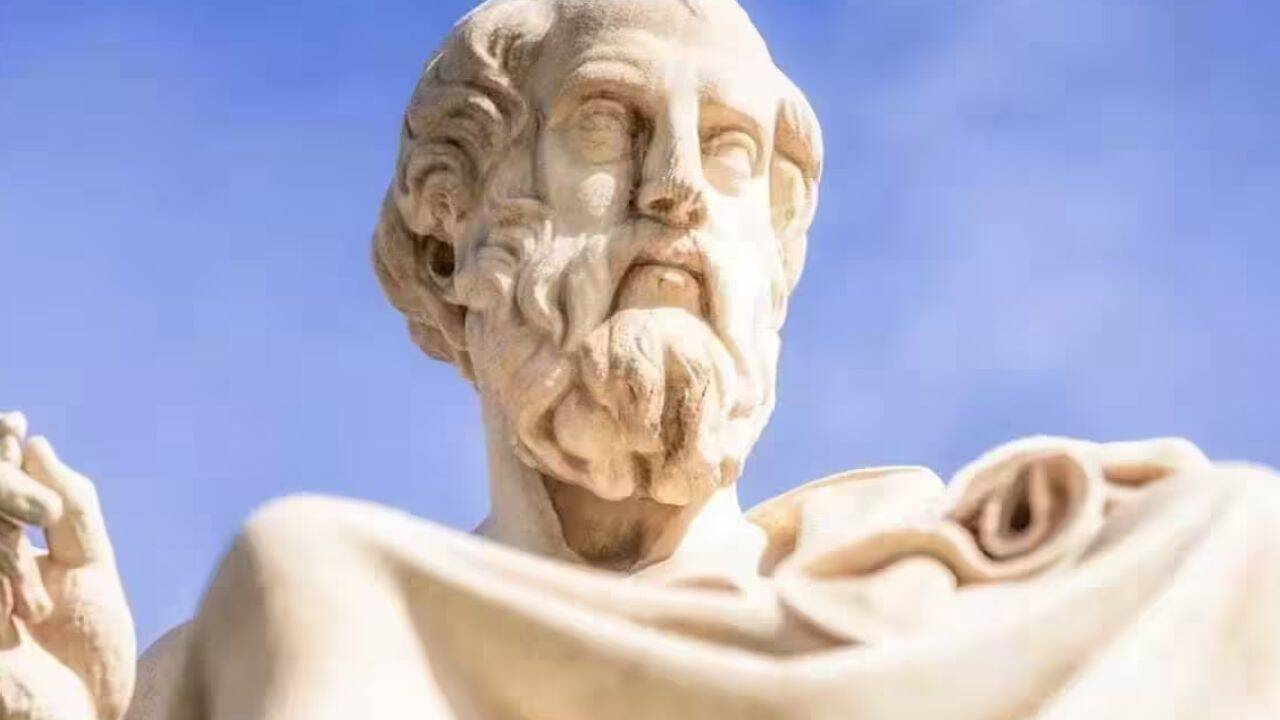
Plato knew better.
Thousands of years before Marcus tugged on that sticky drawer, an old Athenian philosopher sat in the shadow of a changing empire and wrote down a sentence that stings with modern truth. The heaviest penalty for declining to rule is to be ruled by someone inferior.
We forget this. We treat civic life, workplace leadership, and community responsibility like dirty dishes left in the sink, hoping someone else will wander by and take pity on the sponge. We step back. We fold our arms. We whisper that we are too tired, too busy, or simply not cut out for the friction of authority.
Silence is never neutral.
Consider what happens when good people abdicate the room. The vacuum does not remain empty. Nature abhors a vacuum, and power abhors a vacancy even more. Into the quiet steps the opportunist, the zealot, the person whose loudest qualification is an absolute lack of doubt. They do not arrive with malice always; sometimes they arrive simply because they are the only ones standing near the switchboard when the call comes in.
Marcus watched it happen in slow motion over those four years. The neighborhood lost its old map. Giant concrete curbs appeared where wild blackberry brambles used to feed the finches. Property taxes crept upward to fund projects nobody wanted. The people running the decisions were not malicious masterminds. They were simply incompetent, driven by short-term vanity rather than long-term stewardship.
And Marcus had handed them the keys by default.
There is a profound, terrifying comfort in staying out of the fray. To refuse leadership is to protect oneself from failure. If you never step up to guide the project, run for the board, or speak out at the heated town hall, you can never be blamed when the wheels fall off. You remain pure. Untainted. Safe in the bleachers.
The ancient Greeks had a word for the private citizen who cared nothing for public affairs: idiotes.
From it, we get our modern term. It did not originally mean lacking intelligence. It meant someone entirely self-absorbed, someone who refused to participate in the shared architecture of their city-state. To the Athenians, turning your back on governance was not a sign of humility. It was a civic desertion.
We see this pattern repeating across every layer of modern existence. In corporate boardrooms, the most competent managers often refuse promotion because they despise office politics, leaving toxic climbers to dictate company culture. In parent-teacher associations, empty sign-up sheets lead to chaotic school policies enacted by default. In neighborhood associations, the quiet majority stays home until a petty tyrant seizes control of the bylaws.
We tell ourselves a comforting lie. We say we are protecting our peace.
Peace bought through total surrender is not peace at all. It is occupation.
Think of Elena. Elena spent ten years working as a senior archivist in a regional museum. She possessed a rare genius for preservation, able to date a faded nineteenth-century photograph by the chemical tint of the paper alone. When the directorship opened up, the board practically begged her to take the helm. She shook her head.
"I am a researcher," she told them. "I belong in the stacks."
She watched from her basement office as the new director, a slick transplant from a corporate retail chain, decided to modernize the institution. Within eighteen months, rare historical ledgers were sold off to pay for interactive digital kiosks that malfunctioned constantly. The museum's soul was liquidated to make room for glowing touchscreens nobody asked for.
Elena wept among the dust of her archives. She had preserved the artifacts, but she had abandoned the authority needed to protect them. Her refusal to rule—to step into the uncomfortable arena of administration—guaranteed that she would be governed by someone who understood nothing about the value of what she loved.
The penalty is precise. It is poetic. It is inescapable.
When you refuse to carry the weight, you are forced to crawl beneath the burdens crafted by fools.
Why do we resist this truth? Because leadership is messy. It requires compromise. It demands that you look people in the eye and make choices that will make some of them angry. There is no moral high ground in perpetual neutrality. The person who refuses to take the wheel cannot complain when the car drives off a cliff, nor can they claim innocence when the stranger in the driver's seat steers straight into the swamp.
To govern, in its truest sense, does not mean sitting on a throne. It means taking responsibility for the space you occupy. It means recognizing that every community, every organization, and every family requires someone to hold the line against chaos.
When you step forward, you risk error. You risk criticism. You risk the sharp, uncomfortable sting of public failure.
When you step back, you guarantee something worse. You guarantee that the direction of your life, your work, and your home will be decided by those who care least about its preservation.
Marcus closed the desk drawer. The old oak stuck halfway, wedged against the humid air. He did not force it closed. Instead, he reached for his coat. Across town, the city council was holding an open session regarding the remaining industrial waterfront.
He didn't want to go. He was tired. The coffee had grown cold in his mug.
He went anyway.