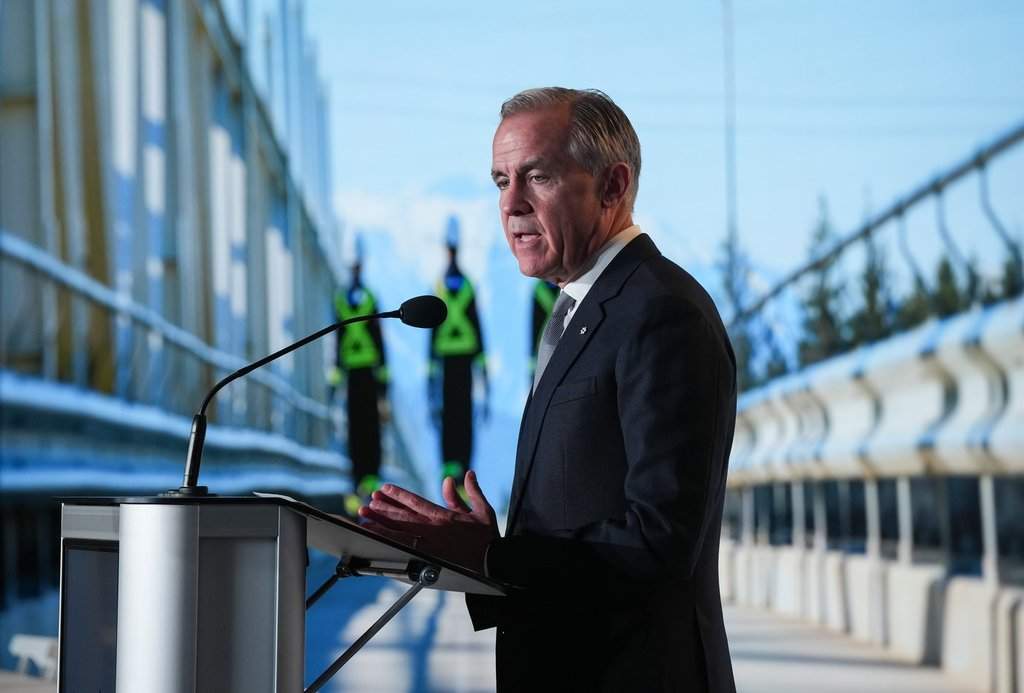
Prime Minister Mark Carney recently announced a $1.2 billion federal funding package dedicated to ocean protection, timed precisely as Ottawa approaches critical regulatory crossroads regarding major resource and infrastructure projects on Canada’s West Coast. The announcement, framed by the administration as an integrated plan to build economic infrastructure while safeguarding marine biodiversity, arrives under intense political and regional pressure.
For months, industry analysts and environmental watchdogs have tracked the converging timelines of looming West Coast pipeline decisions, port expansions, and mounting regional tensions. The core objective of the newly unveiled capital is multi-pronged: mitigating underwater vessel noise, upgrading coastal enforcement technology, funding Indigenous-led stewardship in critical estuaries like the Lower Fraser River, and establishing year-round Arctic monitoring programs. Yet, beneath the policy white papers and press conferences lies a hard political calculation. Environmental advocacy groups have been quick to point out the structural irony, arguing that billion-dollar conservation funds serve as palliative care for ecosystems about to absorb massive spikes in industrial tanker traffic. For a closer look into this area, we recommend: this related article.
The timing is not accidental. Federal decision-makers face steep deadlines regarding designations for national infrastructure projects, all while provincial pressures mount in Western Canada. By pairing heavy environmental spending with strategic economic expansion, the administration is attempting a difficult tightrope walk. Proponents argue that modernizing regulatory enforcement and backing Indigenous governance frameworks represent genuine progress in ocean management. Skeptics, however, view the financial injection as a calculated maneuver designed to neutralize opposition before high-stakes industrial approvals clear cabinet.
The Mechanics of Mitigation
Looking closely at where the $1.2 billion is directed reveals a heavy emphasis on marine traffic management. Increased container shipping capacity through British Columbia ports inevitably introduces severe acoustic disruption to vulnerable cetacean populations, most notably the endangered southern resident killer whales. Portions of the funding are earmarked to incentivize commercial operators to adopt quieter technologies, ranging from hydrodynamic hull improvements to low-noise propellers. To get more details on this development, comprehensive reporting is available at Associated Press.
Enforcement agencies are also slated to receive upgraded tactical assets, including drones, body-worn cameras for fisheries officers, and enhanced surveillance infrastructure. While these upgrades address long-standing complaints from front-line personnel regarding outdated gear, critics question whether better binoculars will alter the ecological footprint of a busier coastline.
Furthermore, the package includes significant allocations for regional frameworks, such as support for the Northern Shelf Bioregion Reconciliation Framework Agreement. Integrating Indigenous stewardship into baseline monitoring and emergency response planning shifts some operational burdens to local communities, forging a collaborative shield that federal planners hope will absorb future legal challenges.
Political Fallout and Regional Pressures
The broader economic backdrop compounds the sensitivity of these decisions. Energy development in Western Canada remains a flashpoint for national unity and regional discontent. As federal officials weigh the logistics of moving resource products to international markets, political friction persists across provincial lines.
The administration insists that environmental stewardship and industrial growth are not mutually exclusive. In public statements, officials maintain that strict conditional mandates—such as halting port construction if marine mammals breach safety radiuses—demonstrate unprecedented oversight. Environmental coalitions remain unimpressed, characterizing the conservation spending as fractional compared to the immense capital flowing into heavy industrial buildouts.
As preparations ramp up for international gatherings like the upcoming Our Ocean Conference, Ottawa is eager to project an image of rigorous environmental governance on the global stage. Yet domestic optics remain complicated. The success of the $1.2 billion strategy will not be measured by press releases or ministerial speeches, but by whether marine ecosystems can withstand the industrial intensification knocking at Canada's Pacific door.