The wooden floorboards of the ranger station creek under heavy boots. Outside, the morning fog still clings to the valley floor of Yosemite, wrapping around the base of El Capitan like a cold, wet blanket. A family from Ohio stands at the counter, counting out crumpled twenties to buy an annual America the Beautiful pass. They talk about the sacrifice it took to get here—the overtime shifts, the skipped dinners out, the long drive across America's highway spine. To them, that eighty-dollar piece of plastic isn't a transaction. It’s an investment in a sacred promise. They believe their money is going directly into the dirt beneath their feet, fixing the broken trail handrails, cleaning the pit toilets, and keeping the wilderness wild.
They are wrong.
A few thousand miles east, under the humid, heavy air of a Washington D.C. summer, a different kind of preparation is underway. The year is 2019. Workers are erecting massive launch mortars on the National Mall. Flatbed trucks rumble into the capital, laden with tons of high-grade explosives designed to paint the night sky in blinding bursts of red, white, and blue. This isn't just any Independence Day. This is a reimagined, supersized spectacle, complete with military tanks parked on the asphalt and fighter jets tearing through the clouds.
It is a display of ultimate power. But every display has a price tag, and the bill for this particular party was quietly routed away from the usual civic coffers. Instead, it landed squarely on the desks of park superintendents across the nation.
The Silent Bleeding of the Commons
To understand how a family’s vacation money ends up exploding over the Lincoln Memorial, you have to look into the dry, dusty ledgers of the National Park Service. For decades, parks have operated under a simple, intuitive rule known as the Federal Lands Recreation Enhancement Act. The rule dictates that the fees collected at park gates stay where they are spent, or are funneled directly into a massive backlog of deferred maintenance.
We are talking about a backlog that sits like a suffocating weight on the chest of the American wilderness. It is an astronomical eleven billion dollars.
It looks like crumbling historic stone walls in the Great Smoky Mountains. It looks like ancient, leaking sewage pipes beneath the campgrounds of Yellowstone, threatening to spill waste into pristine trout streams. It looks like closed trails, rotting bridges, and understaffed visitor centers where a single ranger tries to manage a crowd of five thousand tourists.
Every dollar collected at a entrance booth is supposed to be a bandage on these wounds.
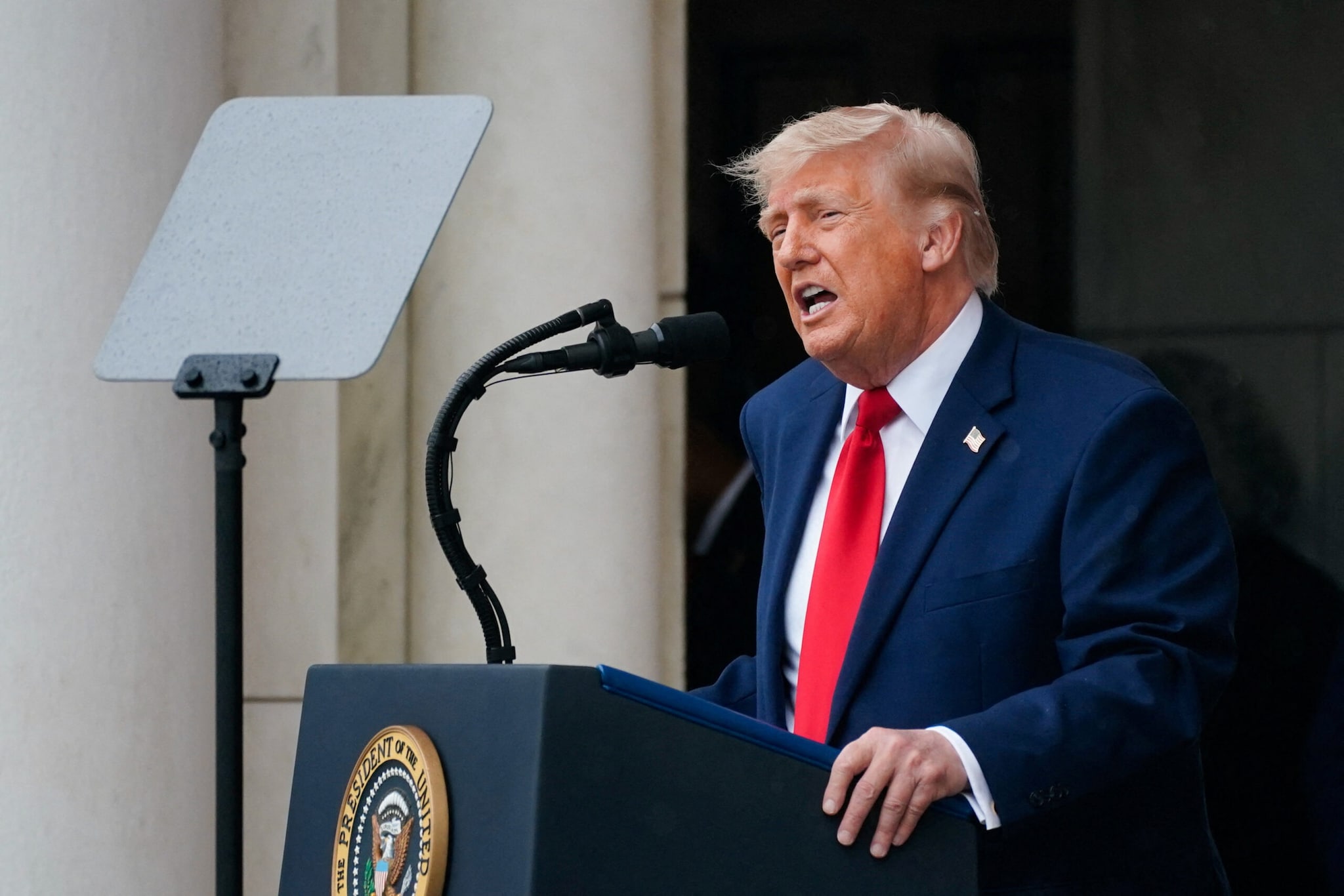
But in the summer of 2019, the Department of the Interior, under the direction of the Trump administration, looked at those accumulated gate fees and saw something else: a slush fund. An investigative report pulled back the curtain on a bureaucratic maneuver that left conservationists stunned. The administration directed the National Park Service to divert nearly $2.5 million from its recreation fee funds.
Of that total, a staggering $1.6 million was earmarked for a single night of pyrotechnics and pageantry in the nation's capital.
Consider the sheer scale of that diversion. A million and a half dollars does not just materialize out of thin air. It is pulled out of the ground. It is the cost of repairing dozens of camp sites. It is the salary of seasonal rangers who keep hikers from getting lost or dying of dehydration in the desert heat. It is the literal infrastructure that keeps the American experiment in conservation from falling apart at the seams.
When Showmanship Eats Substance
The justification from the top was simple enough: Independence Day is a national celebration, and the National Mall is technically a park. Therefore, using park funds to celebrate America’s birthday on park land makes sense.
It is a seductive argument until you look at how the system actually works.
Normally, the D.O.C. fireworks display is a modest, predictable affair, funded through specific civic appropriations and private donations. It is a community event magnified to a national scale. But when the mandate came down to turn the 2019 celebration into a televised extravaganza, the existing budget evaporated in a flash of ambition. The administration needed cash, they needed it quickly, and they needed it without waiting for congressional approval.
They found it by dipping into the wallets of everyday travelers.
Imagine putting money into a neighborhood fund meant to fix the potholes on your street, only to watch the neighborhood association president use it to buy a massive, gold-plated sign for his front yard. The street remains broken. The tires of your car still pop. But the sign looks magnificent from the highway.
That is the emotional friction at the heart of this policy. It trades long-term stewardship for short-term optics. A firework lasts for three seconds. It fills the eyes with light, deafens the ears with thunder, and then it vanishes into a cloud of sulfurous smoke, leaving nothing behind but ash and empty cardboard tubes. A repaired trail lasts for thirty years. It carries generations of children into the woods, teaches them the value of silence, and connects them to something larger than human ego.
By prioritizing the flash over the foundation, the administration didn't just spend money; they shifted the very definition of what public lands are for. They transformed a collective heritage into a backdrop for political theater.
The Invisible Ripples Down the Trail
The true tragedy of this financial sleight of hand is that it is entirely invisible to the people who bear the cost.
When a vault toilet overflows at a remote campground in Utah, the frustrated tourist doesn't blame a policy memo signed in Washington. They blame the park. They blame the lazy rangers. They don’t see the direct line connecting the lack of maintenance staff to the extra truckload of aerial shells ordered for the National Mall.
The damage is cumulative, slow, and quiet.
- The Loss of Staffing: When fee revenues are redirected to cover one-off events, parks lose the ability to hire seasonal technicians, the vital hands that clear fallen timber from trails after winter storms.
- The Decay of Safety: Bridges over rushing glacial streams remain uninspected. Rotting timbers go unnoticed until a footbridge gives way under the weight of a backpacking group.
- The Erosion of Trust: The contract between the citizen and the state is eroded. When people realize their entry fees are being treated as a fungible political checking account, the willingness to pay willingly evaporates.
This is not a partisan issue, though it easily wears that coat. It is a fundamental question of systemic integrity. The National Park Service has always been the one agency that commanded near-universal affection from the American public, a rare piece of common ground in a fractured cultural terrain. To use its fragile, hard-won resources to fund a highly contested, politicized event was to inject polarization into the one place people go to escape it.
The Ash that Lingers
Night fell on July 4th, 2019. The crowds gathered on the grass of the National Mall, their faces illuminated by the glow of smartphones and the warm evening light. The first shells launched into the sky, exploding in massive, glittering crowns of emerald and gold. The boom echoed off the marble walls of the monuments, vibrating in the chests of the thousands who cheered.
It was undeniably beautiful. It was spectacular.
But as the final grand finale tore through the darkness, lighting up the sky so brightly that it looked like noon, the smoke began to drift over the Potomac River. The applause faded. The crowds began the long, slow march back to the metro stations, leaving behind a field littered with plastic bottles, discarded flags, and the invisible scent of spent gunpowder.
The next morning, the sun rose again over Yosemite, over the Grand Canyon, over the Great Smokies. The morning light hit the same broken fences. It illuminated the same closed trails. The rangers went back to work, trying to stretch pennies into dollars, wondering why the resources they were promised had vanished into the humid Washington air.
The sky in Washington was clear again, empty of fire. But across the rest of the country, the deep, quiet deficit in America's backyard remained, written in the dust of trails that nobody was coming to fix.