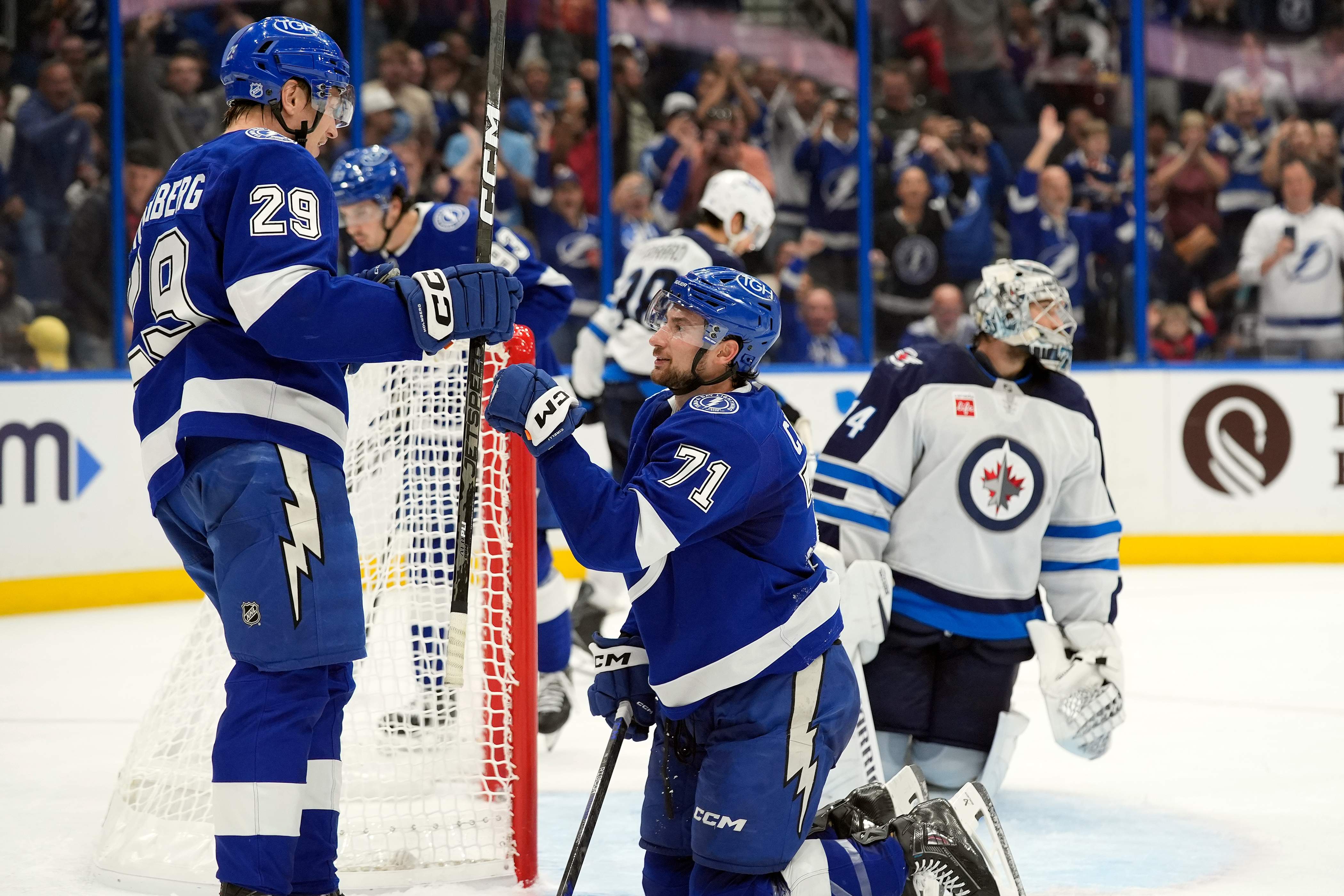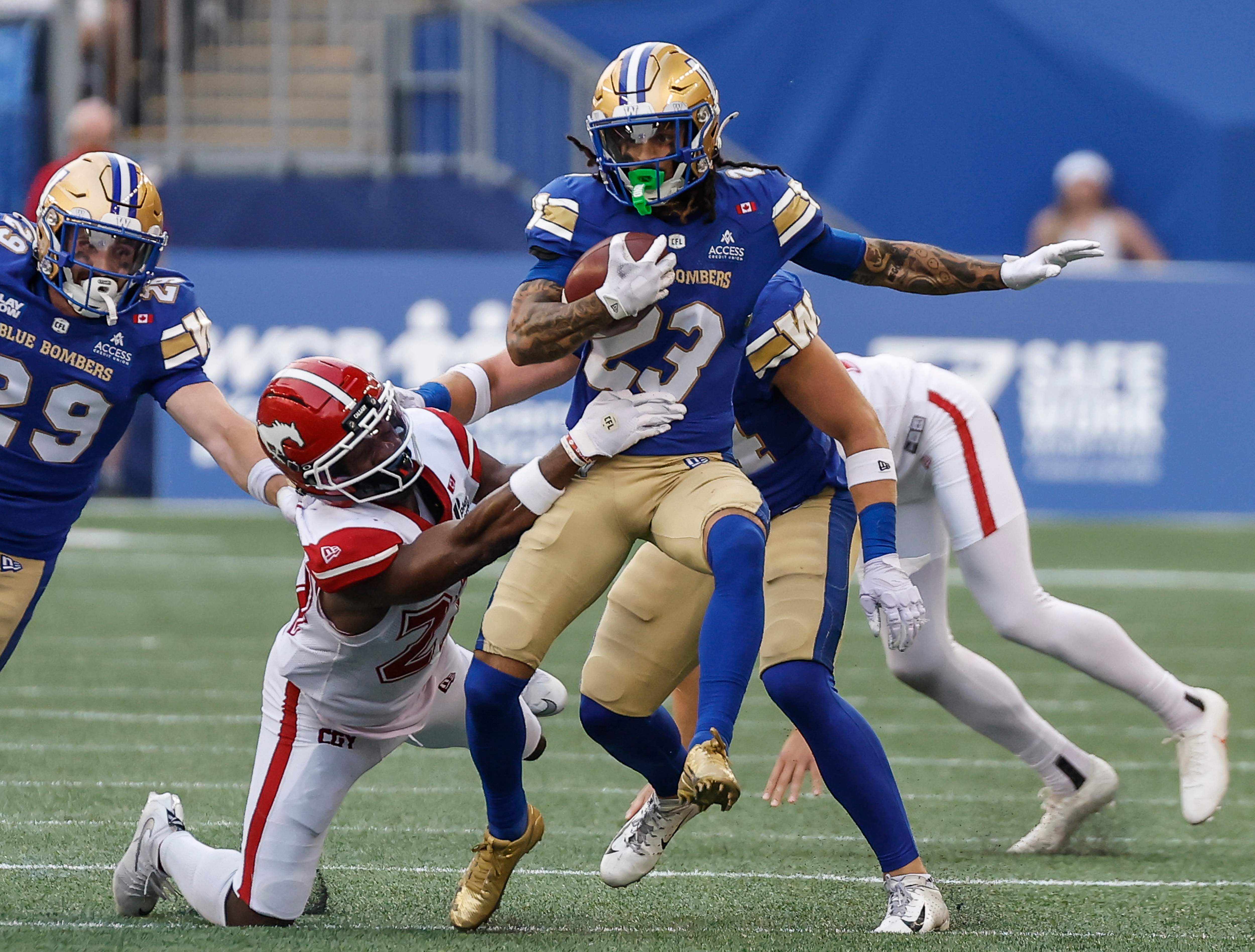
Handing a returner a second consecutive trophy for Most Outstanding Special Teams Player is the easiest, laziest vote in Canadian football. It takes zero film study. You look at a highlight reel of broken tackles, glance at the cumulative yardage column on a stat sheet, check the box next to Trey Vaval’s name, and call it a day.
Everyone across the league is busy congratulating the Winnipeg Blue Bombers on another piece of hardware. They are missing the forest for the trees. Celebrating a repeat winner in the return game does not prove roster superiority; it exposes a fundamental misunderstanding of how football games are actually won, how salary caps are mismanaged, and why traditional special teams awards are broken beyond repair.
The consensus narrative is predictable. Vaval is electric. He flips field position. Winnipeg is smart for keeping him.
That narrative is incomplete, overly simplistic, and dangerously misleading for any front office trying to build a sustainable championship contender. When a return specialist wins major league recognition twice in a row, it rarely signals a flawless phase of the game. More often, it signals a team relying on high-variance chaos to bail out systemic inefficiencies elsewhere on the roster.
The Illusion of the Returner Value Proposition
Let’s strip away the highlight-reel bias and look at what a kick returner actually does in the Canadian Football League.
With the CFL’s no-yards rule—which penalizes the covering team for encroaching within five yards of a returner before the ball is touched—every punt returner starts with a built-in, artificial cushion that does not exist in the American game. You are handed free real estate before a single block is even thrown. When a dynamic athlete like Vaval catches a ball with five yards of breathing room, churning out ten to twelve yards is the baseline expectation, not a miracle.
Yet voters treat routine spatial exploitation like an act of football genius.
I have watched front offices across North America fall into this exact trap for decades. They fall in love with the guy who makes three defenders miss in open space on a Tuesday night film session, and then they overpay him in February, starving their offensive line or defensive secondary of real cash. They confuse visibility with value.
A punt return happens maybe six or seven times a game. An offensive guard plays sixty-five snaps. A boundary cornerback is on an island for forty-five drop-backs. When you elevate a specialist to superstar status, you distort the internal economics of your locker room. You start paying premium dollars for a volatile asset whose production is entirely dependent on ten other guys not committing a holding or illegal block in the back penalty.
Expected Points Added vs. Box Score Yardage
If you want to understand why standard sports media gets special teams wrong, look at the metrics they use. They love gross return yardage. Gross yardage is a vanity metric.
If a returner fields a punt at his own 15-yard line and runs sideways for thirty yards to gain twelve net yards, the box score loves him. Meanwhile, he just burned six seconds off the clock and exhausted his wedge blockers for a net field position change that barely moves the needle on Expected Points Added (EPA).
True special teams dominance is measured in net differential and hidden yardage—not how many times a guy appears on a nightly sports highlight package.
Consider the mechanics of a punt return unit:
- Hang time and directional placement: A punter who kicks a 4.8-second bomb outside the numbers neutralizes the best returner in football before the ball even hits his hands.
- Gunner jam efficiency: If the jammers at the line of scrimmage do not win their initial hand-fighting reps within the first 1.5 seconds, the returner is dead on arrival.
- Penalty avoidance: One ten-yard flag wipes out three consecutive "great" returns in terms of net drive starting position.
When Vaval takes home the hardware, his name goes on the plaque. The jammers who took physical beatings at the line of scrimmage get nothing. The punter who pinned opponents inside their own ten-yard line four times a game gets ignored because kicking doesn't look good in slow motion.
Why Voters Default to the Flashy Play
Sports awards are inherently lazy because the people voting on them are operating under extreme time constraints. Beat writers have deadlines twenty minutes after the final whistle. Broadcasters are flying between cities. Nobody has time to break down all-22 coaches' film of a Wednesday practice to see which cover-team linebacker consistently beats double teams to make solo tackles at the 22-yard line.
So they default to the obvious. They look for touchdowns. They look for big plays.
This creates a massive distortion in how we evaluate special teams. In reality, special teams is composed of four distinct sub-phases:
- Kickoff coverage
- Kickoff return
- Punt coverage
- Punt return (plus field goal/PAT operations)
A returner participates in, at most, half of those phases. Even then, he is touching the ball on a fraction of those plays. Meanwhile, a core special teams demon—a backup linebacker or safety who plays on all four units—is impacting twenty-five to thirty snaps every single week. He is setting edges, blocking on returns, protecting the punter, and making open-field tackles against full-speed runners.
By naming a pure returner the Most Outstanding Special Teams Player two years running, the league is essentially admitting that it only values 25% of the kicking game. It is the equivalent of giving the Defensive Player of the Year award exclusively to cornerbacks who get interceptions, completely ignoring the defensive tackles who eat double teams so the secondary never has to cover for more than two seconds.
The Structural Vulnerability of Relying on Return Magic
Let’s look at this from a roster-building and coaching standpoint. When a team’s special teams identity is overwhelmingly tied to a single returner winning individual awards, it often masks deeper structural flaws.
Why is a team returning so many kicks in the first place?
To return a kickoff, the other team had to score. To return a high volume of punts, your defense had to get off the field—which is great—but if your offense constantly needs short fields to put points on the board, you have an offensive efficiency problem, not a special teams triumph.
Imagine a scenario where a championship-caliber offense averages 6.5 yards per play and consistently sustains 8-play, 75-yard touchdown drives regardless of where they start. In that offense, starting at the 35-yard line versus the 22-yard line is a minor convenience. Now imagine an offense that stalls out after two first downs unless they start near midfield. Suddenly, the returner becomes a lifeline. He isn't a luxury; he’s life support.
That is the danger of building around return production. Return yards are the most unstable, non-repeatable statistic in professional football.
You can scheme a passing concept. You can drill pass-protection slide rules until they are muscle memory. You cannot reliably scheme a punt return touchdown against disciplined, professional coverage units. Big returns happen when an opposing coverage player loses lane integrity, slips on wet turf, or misses an arm tackle at full speed. Relying on your opponent to make catastrophic mistakes is not a repeatable strategy for winning in November when the weather turns freezing, the ball becomes a brick, and everyone plays conservative, tight-lipped football.
Dismantling the Common Myths Around Special Teams Stars
When fans and analysts talk about players like Vaval, the same tired questions always surface. Let's tear down the premises behind them.
"Doesn't a great returner force teams to kick away from him, creating hidden value?"
This is the classic defense mechanism used by people who don't watch coverage tape. Yes, opposing coordinators will occasionally angle a punt toward the sideline or kick a squib to avoid a dangerous returner.
Here is what they don't tell you: directional punting to the boundary is already standard operating procedure across modern football because the sideline acts as a twelfth defender. Nobody wants to kick the ball down the middle of the field to any returner, whether he’s a two-time award winner or an undrafted rookie signed off the practice squad on Tuesday. Giving Vaval credit for forcing teams to use the sideline is like giving a quarterback credit for forcing the defense to play two-high safeties on third-and-fifteen. They were going to do it anyway.
"If returners aren't worth the hype, why do teams keep paying them?"
Because general managers are terrified of looking stupid.
If a GM lets a popular, award-winning returner walk in free agency to save $60,000 against the salary cap, and the replacement fumbles a punt in Week 3, the local media and fanbase will crucify that GM. Keeping the brand-name returner is an exercise in job preservation, not optimal resource allocation. It is the safe, defensive play for an executive who wants to avoid criticism rather than maximize roster depth.
"Can't a return specialist transition into a full-time offensive or defensive starter?"
Occasionally, yes. Historically, plenty of great receivers and defensive backs cut their teeth in the return game.
However, the moment a player becomes too valuable to your offense or defense, the first thing a smart coach does is pull him off punt returns. Why? Because returning kicks is the single highest-injury-risk activity in the sport. You have twenty-two elite athletes sprinting at full speed in opposite directions, colliding at unpredictable angles while the ball carrier's eyes are locked upward at the sky.
If Vaval is still the primary returner year after year, winning special teams awards instead of starting full-time on offense or defense, that tells you something critical about how the coaching staff views his ceiling at his natural position. Being a perennial special teams award winner is a double-edged sword: it proves you are elite in space, while simultaneously confirming you haven't cracked the primary rotation where the real money and real impact live.
The Heavy Hitters Who Actually Understand Kicking Game Value
If you want to know how true football minds value special teams, look at the coaches who turned the third phase into a legitimate weapon without relying on individual highlight reels.
Bill Belichick famously obsessed over special teams, yet he rarely poured massive resources into pure return specialists. Instead, he hoarded core coverage players like Matthew Slater—guys who never touched the ball on a return in their lives, never won flashy yardage titles, and yet dictated the geometry of the entire field through sheer technical violence and lane discipline.
In the CFL, look at the great dynasties of the past thirty years—Wally Buono’s teams in Calgary and BC, or Don Matthews’ relentless squads. They understood that Canadian football’s massive field dimensions (110 yards long, 65 yards wide) punish sloppy coverage far more than they reward flashy returns. When you have to cover 65 yards of width, one missed gap creates a forty-yard gash. Championship teams win the third phase by suffocating the opponent's return game and pinning them inside their own 15-yard line, forcing a two-down offense into desperate passing situations with their backs against their own end zone.
That is how you break a team's spirit. You don't break them with one flashy 55-yard return in the second quarter; you break them by making them drive 95 yards on twelve plays every single time they touch the football.
What Front Offices Should Actually Do Instead
If I am running a CFL front office tomorrow, I am not handing out victory laps for a second special teams trophy. I am using that exact recognition as a sell-high opportunity.
Here is the blueprint for actually winning the special teams battle without falling into the returner trap:
1. Reallocate Returner Money to the Trenches and Coverage Aces
Never pay top-of-market money for a dedicated return specialist. Take the cap savings you get from rotating young, hungry, minimum-salary athletes through the return spot and invest it directly into your backup linebacker and defensive back depth. When your fourth cornerback and fifth linebacker are high-end athletes rather than roster filler, your coverage units become impenetrable.
2. Draft and Sign for Punt Hang Time and Directional Control
Your punter is infinitely more valuable than your returner. A punter affects every single fourth-down play (or third-down play in Canada) regardless of game script, weather, or opponent. Pay the elite punter. Ensure he can consistently hit 4.6+ seconds of hang time and place the ball inside the numbers. That single skill neutralizes every dynamic returner in the league simultaneously.
3. Grade on Net Field Position, Not Highlight Plays
Throw out the standard media stats. Track Average Starting Field Position Differential—the exact gap between where your offense starts its drives and where your opponent starts theirs. If your returner averages 14 yards per punt return, but your coverage unit gives up 16 yards per return and takes two holding penalties a game, your special teams unit is losing you football games, regardless of how many trophies sit on the shelf.
4. Rotate Young Athletes Early
Use the return game as an audition tape for rookies trying to earn a spot on the active roster. Rookies play with reckless urgency because they are fighting for their professional survival. Once a player gets comfortable, wins a couple of awards, and starts thinking about his next contract, that razor-thin edge of desperation naturally dulls.
The Downside of Being Contrarian Here
Let’s be brutally honest about the risk of this approach: when it goes wrong, it blows up in your face publicly.
If you let an established, award-winning returner walk out the door and hand the keys to an unproven rookie, you are inviting volatility at the catch point. A single muffed punt in the fourth quarter of a playoff game can erase ten months of brilliant salary-cap management. Reliability under pressure has real psychological value for a coaching staff. Knowing a guy will securely catch a swirling kick in a 25-mile-per-hour Winnipeg crosswind lets a head coach sleep at night.
There is no denying that Vaval provides that baseline of trust alongside his explosiveness. You don't win back-to-back league honors by accident. He is a gifted athlete who executes his job at a high level.
Stop Confusing Applause With Progress
The problem isn't Trey Vaval. The problem is the ecosystem around him.
When a league, its media, and its fans treat a repeat special teams award for a returner as the ultimate validation of roster building, they are celebrating the sizzle while ignoring the steak. They are applauding a volatile, high-variance role while overlooking the unglamorous, repeatable mechanics—blocking, tackling, punting, and cap discipline—that actually hoist the Grey Cup in November.
Next time a returner hoists a trophy, look past the highlight tape, check the net field position numbers, and ask yourself who actually won the game.