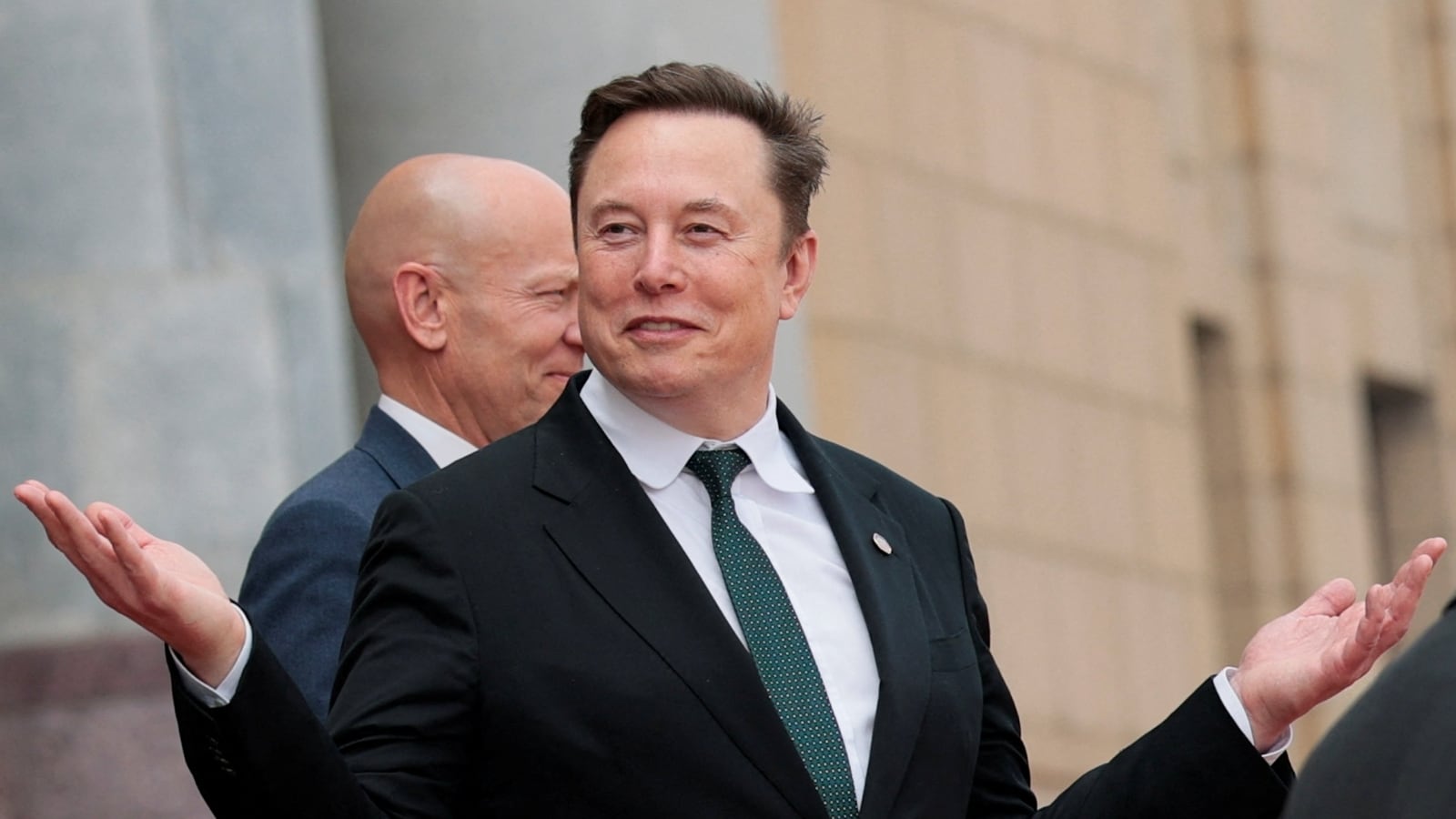
Every time a politician drops a low-res, algorithmically generated clip, the media treats it like the fall of Rome. When clips circulate showing political opponents celebrating a leader's downfall, the hand-wringing starts immediately. Pundits scream about the end of shared reality. Tech ethicists clutch their pearls. Lawmakers draft emergency bills that solve nothing.
Stop panicking.
The obsession with political deepfakes is a manufactured panic. It treats voters like helpless toddlers who cannot distinguish a cartoonish video manipulation from a security camera feed. I have watched campaigns burn millions of dollars on panic rooms and forensic video verification tools while ignoring the real threat: mundane, boring, unedited truth that voters simply choose to ignore because it does not fit their worldview.
Deepfakes are not destroying democracy. They are exposing how little trust we had in our institutions to begin with.
The Myth of the Omnipotent Algorithm
The core premise of the panic is that generative media is hyper-realistic, completely undetectable, and capable of instantly shifting global sentiment. This is a fairy tale told by cybersecurity vendors trying to sell subscription software to terrified political operatives.
Most political deepfakes look terrible. They suffer from uncanny valley artifacts, audio desynchronization, and lighting discrepancies that would fail a basic high school film class. When a prominent leader shares a manipulated video of rivals celebrating, the people who believe it are not fooled by the technology. They believe it because they want to believe it.
Confirmation bias does not require high-end artificial intelligence. It requires an audience desperate for validation. For decades, politicians have relied on out-of-context quotes, heavily cropped photographs, and deceptive editing to smear their opponents. Generative video is just a newer, shinier brush for the same old propaganda. Shifting the blame to machine learning models lets bad actors off the hook and shifts responsibility away from the human beings choosing to weaponize outrage.
Why Verification Tools Are a Waste of Campaign Cash
Every consulting firm in Washington right now is pitching expensive forensic provenance software. They promise to watermark campaign assets and trace video origins back to the cryptographic source. It is modern snake oil.
I have watched committees blow six figures on software suites designed to authenticate footage that nobody outside of a niche Twitter bubble even watched. Voters do not check cryptographic hashes before sharing a clip that makes their rival look foolish. They click retweet.
The harder truth is that authenticity has never been the currency of politics. Resonance is. If a manipulated video goes viral, chasing it down with a forensic debunking report is like trying to put toothpaste back in the tube with a pair of oven mitts. By the time the fact-checkers finish their meticulous breakdown, the news cycle has moved on to three new scandals, and the emotional impression of the original clip has already baked into the electorate's subconscious.
Authentication tools solve a technical problem that does not matter while ignoring the psychological problem that does.
The Real Threat Is Cheap Liars, Not Deepfakes
Focusing exclusively on sophisticated neural networks blinds us to the real damage being done every day by low-tech manipulation.
Slower, dumber tricks do infinitely more damage than a synthetic video of a rival celebrating. Cutting a video clip to make someone look like they froze on stage—famously executed against multiple aging politicians regardless of party—requires zero machine learning. It just requires a timeline editor and a willingness to lie.
When we spend all our legislative energy trying to ban or regulate generative video models, we miss the forest for the trees. We hand tech giants a regulatory moat while leaving the floodgates wide open for garden-variety deception. Authoritarian regimes and domestic demagogues do not need hyper-realistic face-swaps to manipulate public opinion. They just need an ecosystem of hyper-partisan media outlets willing to launder garbage claims until they sound like mainstream consensus.
How to Stop Being a Mark
If you work in communications, policy, or journalism, your current playbook for handling synthetic media is broken. Stop treating every piece of digital trickery as an existential threat.
First, lower your expectations of the electorate. Voters are cynical, not stupid. They know politics is dirty. When a scandalous video drops, half the audience assumes it is fake and the other half assumes it is true, and neither camp cares what the forensic experts say.
Second, starve the content of oxygen. The half-life of a viral political clip depends entirely on the establishment's reaction to it. When mainstream outlets write ten-paragraph deep dives dissecting every pixel of a minor video stunt, they amplify the reach tenfold. Treat low-grade propaganda with the silence it deserves.
Third, audit your own credulity. We fall for these panics because we want to believe technology possesses magical, unstoppable powers. It does not. It is a mirror reflecting our own political tribalism back at us.
The next time a manipulated video drops and the pundit class loses its collective mind, ignore the video. Look at who is screaming the loudest, and ask yourself what they are trying to distract you from.