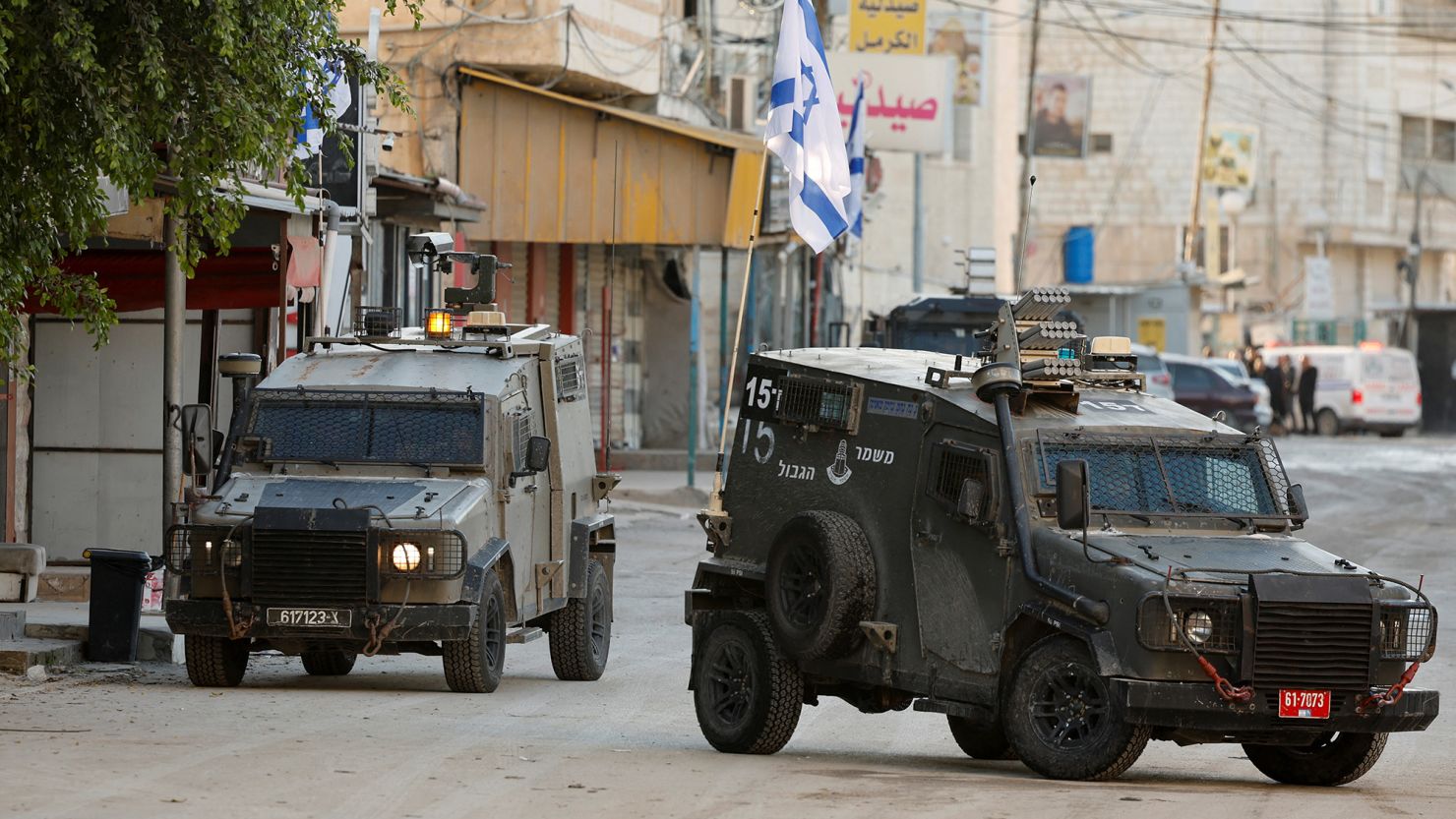
Every time security forces kick down doors in Rahat, haul out a cache of improvised explosive devices, and display a neat grid of seized assault rifles on a tarpaulin for the press cameras, the media treats it like a grand victory. Politicians line up to praise the intelligence units. Commentators talk about restoring law and order to the Negev. It is a predictable, comforting ritual.
It is also an illusion.
Focusing on weekend weapon seizures in Bedouin towns like Rahat is like mopping the floor while the kitchen ceiling is actively collapsing. The standard narrative claims that a few high-profile operations will choke the flow of illegal ordnance into the criminal underworld. That premise is lazy, outdated, and fundamentally detached from the economic realities of the region.
The Logistics Chain Everyone Ignores
Let us look at how these arsenals actually accumulate. The lazy consensus assumes that weapons are smuggled across borders in a James Bond style operation and stored directly by criminal masterminds planning massive terror attacks or tribal blood feuds.
The reality is far more mundane and far more dangerous. The black market for weapons in southern Israel is driven by logistics, redundancy, and economic substitution.
When a military base experiences a security breach, weapons do not vanish into thin air. They enter a localized shadow economy. A single compromised armory can supply dozens of independent criminal cells for months. Local gangs in Rahat operate less like ideological militias and more like decentralized distribution networks. Seizing twenty rifles today does not disrupt the supply chain; it merely creates a temporary supply shortage that drives up market prices, incentivizing the next break-in or the next cross-border smuggling run.
You cannot arrest your way out of a market equilibrium. When demand for protection, extortion leverage, and tribal deterrence remains high, supply will always find a channel. The police are treating a symptom of systemic state failure and economic disenfranchisement as if it were an isolated criminal anomaly.
The Illusion of the Big Haul
Consider what happens the Monday after a major weekend raid. The headlines fade. The seized weapons are logged into evidence lockers. Meanwhile, the underlying drivers of the arms race in the Negev remain completely untouched.
Unemployment rates among young Arab men in the region hover at levels that guarantee alternative, illicit career paths. Municipal infrastructure lags decades behind Jewish towns of comparable size. Trust in state institutions is so fractured that local populations view the police either as an occupying force or as completely irrelevant to their daily safety.
When the state fails to provide basic municipal security, citizens procure their own. That is the dirty secret of the illegal weapons market. A significant percentage of these arsenals are not bought for offensive criminality; they are purchased by families and clans who believe, with good historical reason, that the police will not arrive in time when a blood feud turns violent.
By framing every raid solely as a counter-crime triumph, officials ignore the feedback loop. Every heavy-handed raid that fails to establish long-term civil governance deepens the community's reliance on informal, armed self-policing. You raid a house, you take a rifle, and within forty-eight hours, the family pools cash to buy two more from a smuggler in the West Bank or Sinai to replace the lost asset.
Dismantling the Blueprint
If we want to stop writing the same article about weekend raids every six months, we have to flip the script entirely.
First, stop treating municipal crime and regional geopolitics as separate domains. The flow of weapons into towns like Rahat is directly linked to the porous nature of Israel's borders with the West Bank and Jordan. If the military cannot secure military bases and national borders, local police units cannot solve the problem at the end-user delivery point.
Second, economic integration must outpace enforcement. Pouring billions into tactical gear and intelligence software yields diminishing returns if the youth growing up in these towns see zero economic future within the formal Israeli economy. A teenager with a computer science degree or a stable union job does not moonlight as an arms runner.
Third, civil policing must replace paramilitary incursions. When raids are conducted like military invasions, they alienate the vast majority of residents who want nothing to do with crime. Real intelligence does not come from kicking down doors at three in the morning; it comes from community policing models where local populations trust authorities enough to leak information voluntarily.
Until policymakers realize that an illegal gun is a symptom of a broken social contract rather than the disease itself, those photo-ops of weapons on tarpaulins will remain what they have always been: expensive theater designed to make us feel safe while the fire keeps burning underneath.