Dust on the Screen
The chai is cooling in the ceramic bowl. Outside the window, the stony slopes of the Tian Shan mountains catch the late afternoon amber, sharp and indifferent to human commerce.
Aanchal Sharma stands behind a wooden counter in Tashkent, her thumb hovering over a sleek piece of glass. Thousands of miles away, in a crowded Mumbai suburb, her brother taps his own screen, watching a green checkmark bloom with a quiet, affirming chime. The currency has crossed borders without touching a bank teller, without the rustle of crisp paper, without the heavy friction of exchange bureaus.
We forget how hard it used to be to give someone money.
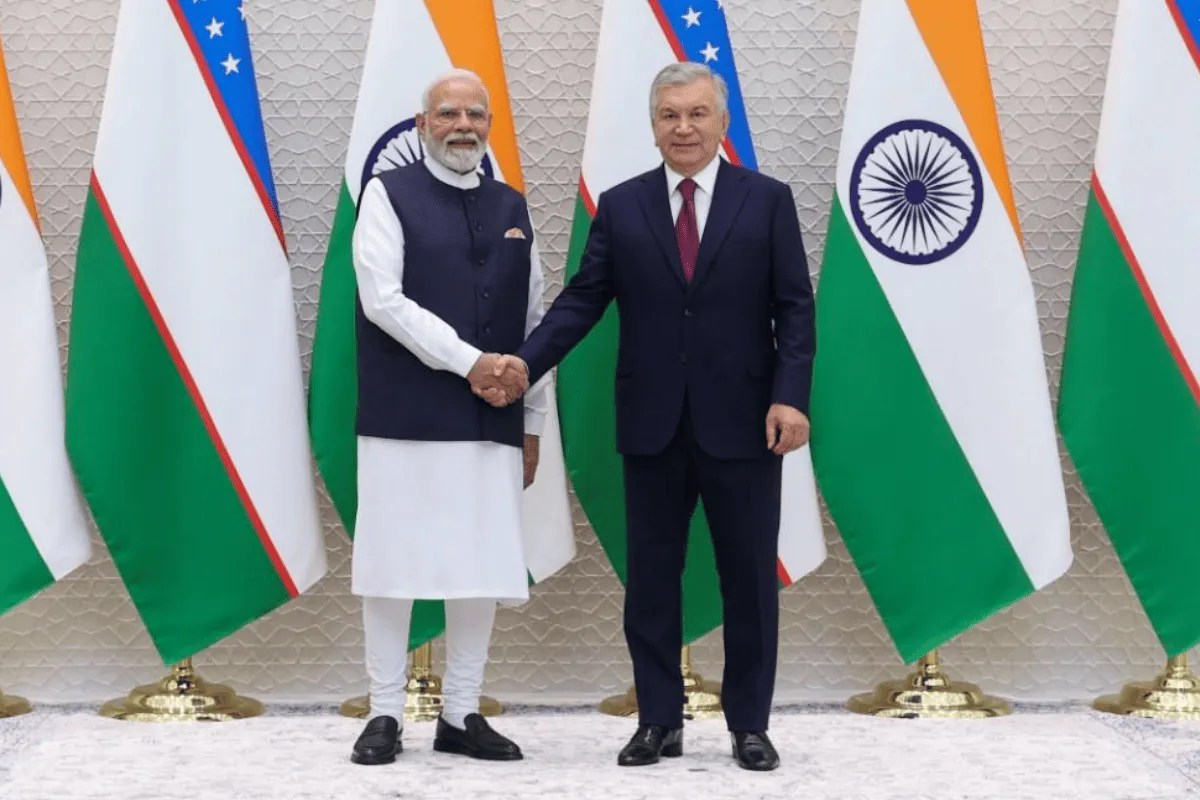
For decades, international trade felt like moving boulders up a muddy hill. Every transaction demanded paperwork, waiting periods, and a small tax paid to anxiety. But today, something shifted in the quiet corridors of diplomatic meetings. India and Uzbekistan shook hands on a digital accord. The UPI protocol, that familiar engine of chai stalls and luxury boutiques in Delhi, is packing its bags for Central Asia.
This is not just about convenience. This is about gravity.
The Weight of the Invisible Earth
Look closer at the news coming out of the bilateral summits. Headlines chatter about digital payments, but they skim past the heavy metal sleeping beneath the soil.
Uranium. Critical minerals.
(Note: When I speak of the earth sleeping, I am using a metaphor for the vast, unmined mineral wealth resting in the Central Asian crust.)
To understand why a smartphone app matters in Tashkent, you have to look at what powers the future. The modern world runs on lithium, cobalt, and the heavy atoms that split to light our cities. Uzbekistan sits atop geological vaults that the industrial powers of the twenty-first century crave. For a long time, acquiring these resources meant navigating a labyrinth of traditional geopolitics—slow, opaque, and vulnerable to external shocks.
Then came the pivot.
When Prime Minister Narendra Modi’s delegation sat across from their Uzbek counterparts, they weren't just trading diplomatic pleasantries. They were knitting two distinct economic realities together. On one side stands a nation of over a billion digital natives, processing billions of instant transactions every single month. On the other stands a nation rich in the raw elements required to build electric grids, medical devices, and clean energy tech.
When you link the payment rails to the mineral corridors, you remove the static from the line.
The Human Cost of Friction
Consider what happens next to a small-scale exporter in Fergana Valley who wants to sell dried apricots or textiles to buyers in Bangalore.
In the old world, the friction was murderous. Letters of credit. International wire delays that took five agonizing business days. High intermediary fees that shaved the margins off a modest harvest until there was nothing left for the farmer’s children.
Friction is a silent tax on human ambition.
When money moves at the speed of a text message, the smallest player in the market gains the leverage once reserved for multinational conglomerates. That is the true promise of UPI crossing the mountains. It democratizes distance. A merchant in Samarkand can accept rupees as easily as som, and the settlement happens before the dust settles on the counter.
We have lived through the era of walled gardens. For generations, financial systems were built to keep people out unless they could prove their pedigree at every single checkpoint. What we are watching now is the demolition of those walls, brick by digital brick.
The New Silk Road Wears Glass
History does not repeat itself, but it rhymes in binary code.
Centuries ago, caravans laden with silk, spices, and lapis lazuli traversed these exact mountain passes. The journey took months. Bandits lurked in the gorges. Merchants died of exposure before seeing a single coin of profit. Yet, the desire to trade overcame the terror of the terrain.
Today, the caravan is a string of encrypted packets bouncing off satellites hanging silently in the exosphere.
The agreements signed this week in Tashkent cover more than just software and subterranean ore. They touch upon defense cooperation, pharmaceutical supply chains, and educational exchanges. But the digital thread is the one holding the fabric together. Because when ordinary citizens can pay each other instantly, trust follows money.
Aanchal smiles as her phone confirms the transfer. The transaction took two seconds. The mountains outside her window haven't moved an inch, but the world on the other side has never felt closer.
The future is rarely announced with trumpets. Sometimes, it arrives with a soft, digital chime in the palm of your hand.