Deep inside the humid, unforgiving canopy of Cristobal Colon, Panama, U.S. troops are sweating through some of the most brutal survival training on the planet. This isn't just about learning how to stay alive in a dense rainforest. It represents an aggressive shift in regional defense.
Secretary of War Pete Hegseth recently hiked out to the Combined Jungle Training Center-South to meet these service members face-to-face. He didn't wear a suit. He stood among troops wearing camouflage and mud, driving home a message that military focus has pivoted directly back to the Western Hemisphere. If you want to understand where American foreign policy and defense priorities are heading right now, you have to look at what's happening right here in Panama.
The Real Strategy Behind the Panama Jungle Visit
Most casual observers look at a high-ranking official visiting a training camp as a simple photo opportunity. They're wrong. Hegseth's trip to the Jungle Operations Training Course-Panama—alongside participation in Exercise Panamax 2026—ties directly into a massive operational redesign for U.S. Southern Command.
For years, defense priorities pulled resources and attention toward distant theaters. Hegseth made it clear that things look different now. The mission in the Western Hemisphere has shifted toward protecting national sovereignty and securing home turf against transnational threats.
Transnational drug cartels and criminal networks don't just destabilize local governments; they actively threaten communities inside the United States. By upgrading partnerships with countries like Panama, Ecuador, and Colombia—which recently became the 19th member of the Americas Counter Cartel Coalition—the military is building an active ring of regional defense.
What Training in the Mud Actually Achieves
You can't fight modern regional cartels from a air-conditioned office in Washington. You need boots in the mud. The service members training in Panama—including Marines assigned to Littoral Combat Force-24—are learning skills that normal garrison environments simply cannot replicate.
They swim across fast-moving rivers, navigate dense brush, and maintain combat effectiveness when humidity and heat try to break them down. Hegseth called these troops the "real 1 percent" during a press availability at the site, noting that they do difficult things in tough places so others don't have to.
This practical preparation matches the goals of the Americas Counter Cartel Coalition. Coalition members share a common enemy: organized crime syndicates that traffic drugs, foster illegal migration, and challenge local laws. By combining U.S. tactical support with the deep local experience of partner nations, the coalition aims to dismantle criminal networks before they can hit domestic borders.
Defending Key Terrain and Countering Foreign Influence
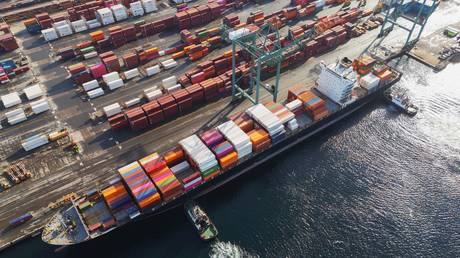
Another major driver behind the renewed focus on Panama is the protection of critical infrastructure, most notably the Panama Canal. Strategic choke points are prime targets for foreign malign influence and criminal exploitation.
Keeping key terrain secure requires active, physical presence and massive multinational exercises like Panamax. These drills involve thousands of partner nation personnel working alongside U.S. forces, testing command structures, cyber defenses, and tactical readiness in real time.
The cooperation isn't one-sided. Nations like Colombia bring decades of hard-fought counter-insurgency experience and hundreds of thousands of active military personnel to the table. When those forces start sending students through the jungle course in Panama, the combined capability multiplies fast.
The strategy is direct. Hard training, real partnerships, and zero hesitation when going after designated terrorist organizations. The message coming out of the Panamanian jungle is loud and clear: the backyard is getting locked down, and the training is just getting started.