When eight South Carolina National Guard pilots buzzed low over a crowded Myrtle Beach for Independence Day, beachgoers went wild. They waved flags, cheered, and filmed the heavy machinery skimming just a few hundred feet over the shoreline. But back at headquarters, flight safety officers didn't share the holiday enthusiasm.
By Thursday, the Guard placed all eight Apache pilots on a routine administrative flight suspension while they reviewed the flight profile. It wasn't a punishment—just standard operating procedure in military aviation when a flight looks too low or triggers a complaint.
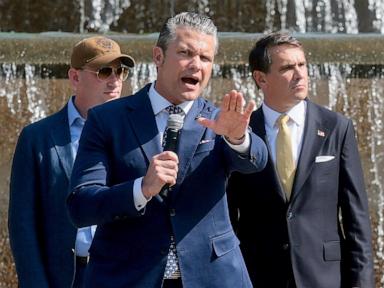
Then Pete Hegseth log onto X.
"We'll fix this," the Defense Secretary posted late Thursday night. "Carry on, Patriots." By Friday morning, Pentagon spokesman Sean Parnell declared the suspensions lifted, effective immediately. The local safety investigation was dead in the water before it even started.
This isn't an isolated incident. It's a pattern that's fundamentally reshaping how military discipline works in America.
The Battle of the Beach vs. The Flight Manual
To understand why this matters, you have to look at what actually happened on the ground—and in the air. The event was "Salute from the Shore," a traditional July 4th flyover along the South Carolina coast. This year marked the first time heavy attack helicopters like the AH-64 Apache joined the usual lineup of F-16s and cargo planes.
Videos across social media show the choppers flying incredibly close to the water and the sand. To the average tourist, it looked awesome. To military commanders, it looked like a massive liability.
When the Guard grounded the pilots, conservative politicians immediately pounced. Representative Russell Fry blamed a "beach Karen" for a "frivolous complaint." Governor Henry McMaster argued that since these Guardsmen fly in wartime, they surely know how to safely navigate a beach.
But military aviation rules don't exist to kill the vibe. They exist because helicopters are inherently dangerous, especially over massive crowds. Just last year, an Air Force rescue helicopter messed up a public landing at a school in Japan because planners used standard flight rules instead of stricter public event safety guidelines. People got knocked over; a disaster was barely avoided. Earlier in Hegseth's own tenure, a horrific collision between an Army Black Hawk and a passenger jet near D.C. killed 67 people, leaving the Pentagon facing massive questions about oversight and flight discipline.
Commanders ground pilots during a review to protect the crews and the public while they look at the telemetry data. By stepping in from Washington, Hegseth didn't just clear the pilots—he told local commanders that their safety protocols don't matter if the optics look patriotic enough.
The Kid Rock Precedent
If this feels familiar, it's because Hegseth used the exact same playbook in March.
During a training mission in Tennessee, Apache helicopters from the 101st Airborne Division flew a low-altitude pass right next to the Nashville-area home of rock musician and conservative influencer Kid Rock. The choppers were also spotted near political protestors in the city.
Just like in South Carolina, local military leaders grounded the crews to find out why an expensive, lethal asset was being used to salute a celebrity's house. Hegseth shut it down instantly. He issued his very first "Carry on, patriots" decree, declaring no punishment and no investigation.
A few days later, Army Chief of Staff Gen. Randy George was forced into retirement. George had reportedly pushed to let commanders finish their investigation into the Kid Rock flyover. Weeks after that, Hegseth and Kid Rock were photographed taking their own personal Apache helicopter rides at Fort Belvoir, a move that cost taxpayers roughly $7,000 per flight hour.
Why Upending the Chain of Command is Dangerous
The Secretary of Defense has the legal authority to intervene in military matters, but historically, leaders use that power with extreme restraint. Discipline and safety reviews belong to the unit commanders. They know the pilots, the local terrain, and the specific flight restrictions.
When the top boss at the Pentagon routinely bypasses the chain of command via social media, it creates a toxic double standard:
- Rules become optional: Aviators learn that breaking altitude or flight-path restrictions won't face scrutiny if the flight is popular on Instagram.
- Commanders lose authority: Local generals and colonels can't enforce standards if subordinates know a tweet can reverse any administrative action.
- Safety culture erodes: The military's legendary safety record relies on absolute transparency and rigorous post-flight reviews, not political intervention.
Hegseth’s style leans heavily into culture-war signaling and direct appeals to a specific political base. He views the grounding of these pilots as the work of overly cautious, "woke" bureaucrats destroying military morale. But a flight safety review isn't a political witch hunt—it's how you keep multi-million dollar attack helicopters from dropping onto a beach full of tourists.
The eight South Carolina pilots are back on flight status today, their records clean and their political allies cheering. Operational readiness is maintained, which the Guard highlighted in its forced follow-up statement. But the institutional damage to military discipline remains. Commanders now have to ask themselves if enforcing basic safety regulations is worth risking their careers if the Pentagon decides a reckless stunt was actually just peak patriotism.