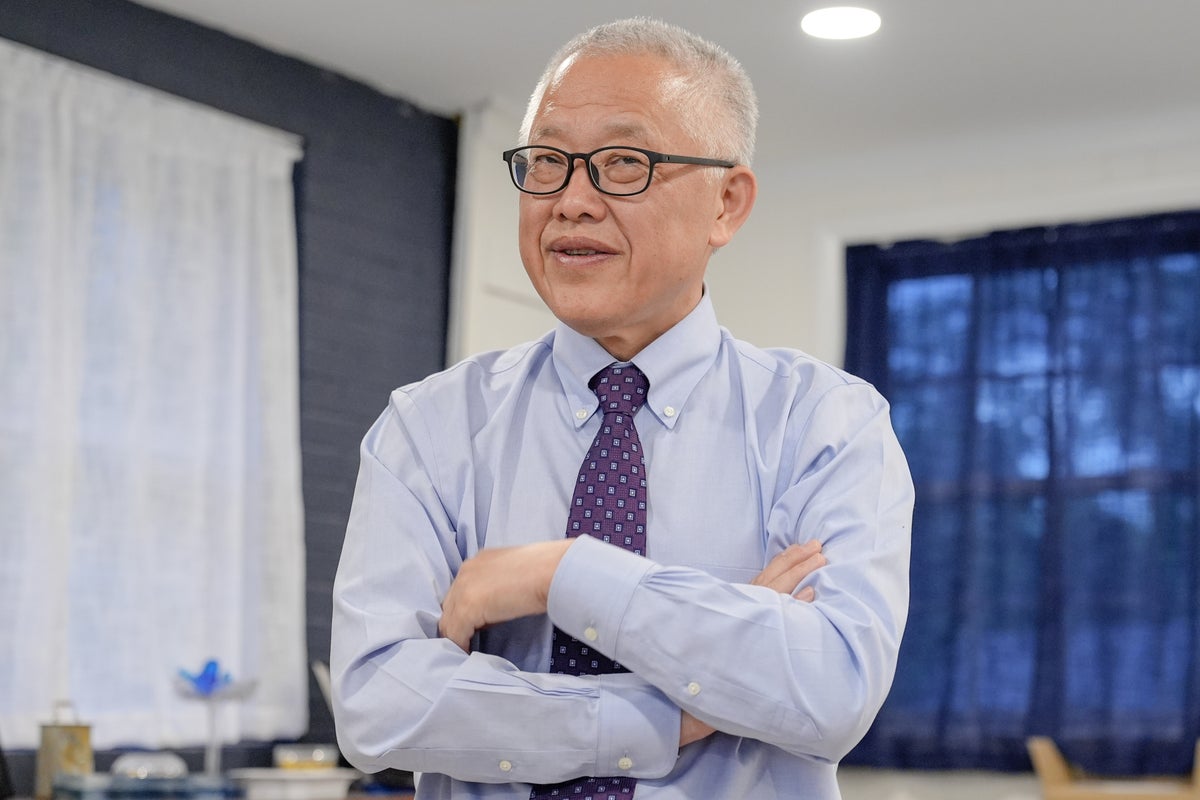
You are sitting in a detention cell in southern China on the morning of July 3, staring down the barrel of a 15-year prison sentence. You are 57 years old. You expect to die behind bars. Then, twenty-four hours later, you are eating an In-N-Out burger in Los Angeles, watching Independence Day fireworks with your family.
It sounds like fiction. But it actually happened to Chinese Christian pastor Ezra Jin Mingri.
The story hit headlines worldwide, focusing heavily on diplomatic pressure from U.S. President Donald Trump. Yet looking past the surface reveals a much more complicated reality about underground churches, high-stakes diplomacy, and the rare moments when foreign intervention actually punctures Beijing's otherwise unyielding legal system. Let's break down what really happened, why this case stands out, and what it means for other religious dissidents still locked away.
The Rapid Pivot from Prison Cell to Freedom
Pastor Ezra Jin founded Zion Church back in 2007. Over the years, it turned into one of independent China's most influential underground congregations. Because these groups refuse to register with state-sanctioned bodies or install mandatory surveillance cameras, they draw constant state hostility.
Authorities shut down the physical sanctuary of Zion Church in 2018. Jin kept the community alive through small groups and online networks during the pandemic. That defiance came with a heavy cost. In October 2025, police detained Jin and several other church leaders during a sweeping crackdown.
For 266 days, Jin sat inside a detention center in Beihai. He braced for a show trial, forced confessions, and a decade and a half of hard time.
Then came July 3. Guards told him to gather his few belongings, handed him a Bible, fresh clothes, and a brand-new pair of Nike shoes. Jin initially thought he was moving to another secret location or facing house arrest. Instead, a police van drove him past his old neighborhood to a high-speed train station.
Guards escorted him onto an empty train car, recording video the entire time. They traveled roughly 470 miles north to Guangzhou. At the international airport, authorities set up a temporary court inside a VIP room. Prosecutors read out a document dropping charges of illegal business activity and fraud. They didn't force a confession. They didn't stage a public trial. They just let him go.
Why Trump's Intervention Actually Worked
Most foreign appeals to Beijing fall on deaf ears. The Chinese Foreign Ministry routinely pushes back against foreign criticism, maintaining that the nation manages religious affairs strictly according to domestic law and dismissing outside concern as interference.
So why did Jin walk free?
Lawyers had whispered to Jin that President Donald Trump brought up his specific name during a meeting with Chinese leader Xi Jinping in May. When leaving Beijing, Trump told reporters that Xi promised to strongly consider the pastor's case.
Trump has repeatedly promised to protect Christian populations globally. When Jin touched down in Los Angeles after a nearly 13-hour flight, a U.S. diplomat handed him his passport, and officials granted him a fee-free one-year visa.
Jin himself openly credits Trump's unique style of diplomacy for his survival. He acknowledges that he doesn't know if any prisoner swap or secret trade took place. He just knows the outcome. For a high-profile political and religious detainee to walk free without a conviction is almost unprecedented in modern Chinese politics. Beijing rarely bends to outside leverage when dealing with dissidents.
The Human Cost Behind the Headlines
Freedom for one man doesn't mean the crisis is over. Jin understands this better than anyone.
Shortly after arriving in the United States, Jin met with House Speaker Mike Johnson and the family members of other Christians still locked away in Chinese facilities. Choking back tears, the pastor made a direct plea not to forget the ones left behind. Thousands of underground church members, activists, and faith leaders remain behind bars.
Bipartisan support exists in Washington for international religious freedom, as Johnson pointed out during their meeting. But turning that sentiment into actual releases for hundreds of other detained believers is a massive uphill battle.
Jin wants independent churches to be legalized in China. Realistically, that isn't happening anytime soon. Beijing views unregistered religious movements as a direct threat to state authority. Jin's release is an incredible anomaly, forged through high-level political pressure and personal diplomacy, rather than a sign of sweeping policy reform.
If you are looking at this situation expecting a sudden wave of religious tolerance across East Asia, you will be disappointed. The crackdown on independent congregations continues daily. Ezra Jin got his miracle and his fireworks on the 4th of July, but thousands of others are still waiting for theirs.
Keep a close eye on upcoming bilateral talks and human rights delegations. That remains the only realistic lever left to pry open those cell doors.