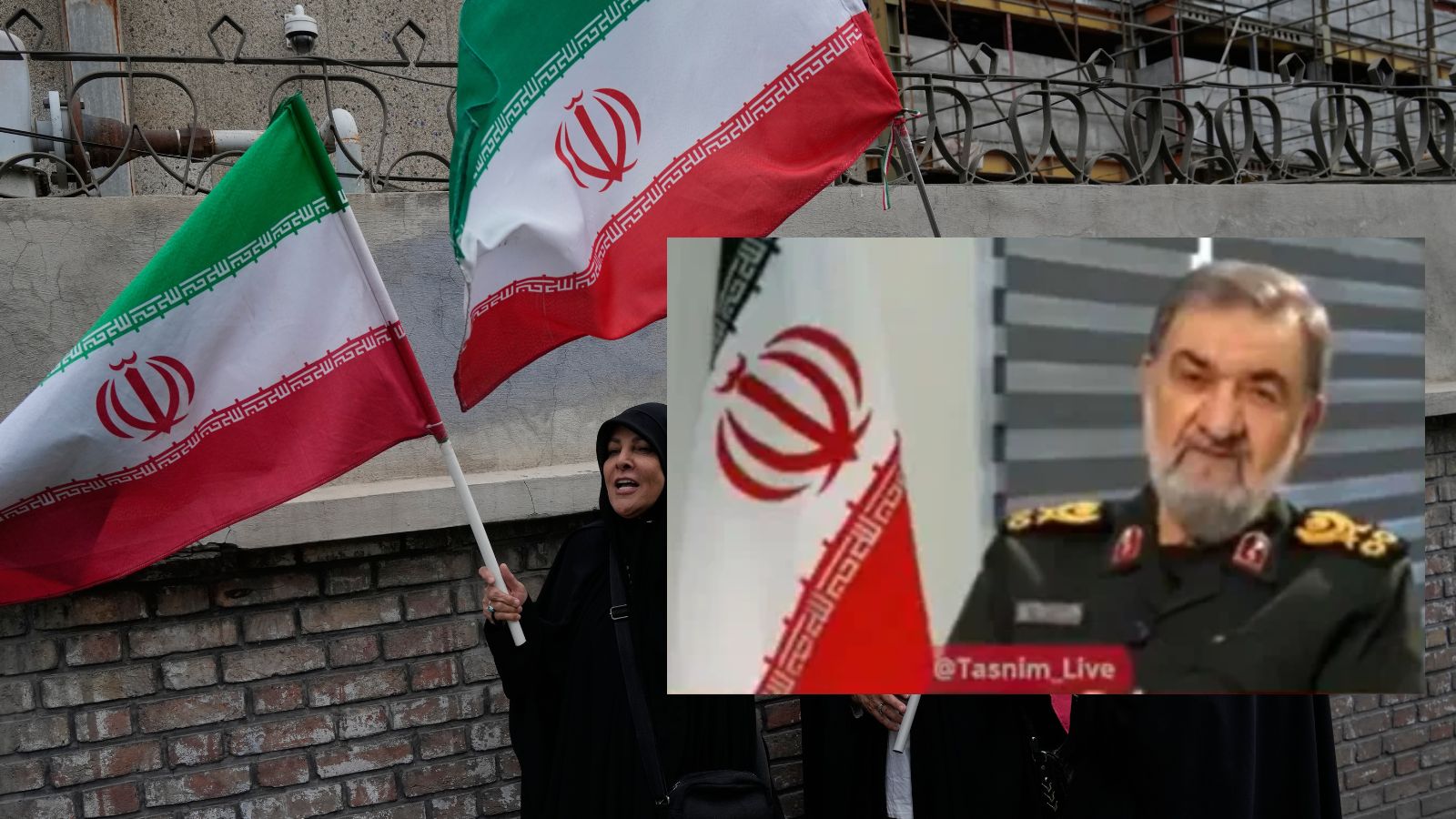
If you listen closely to state television in Tehran, you would think the United States is ready to surrender. Iranian officials have spent months talking up a rigid blueprint of demands required to halt the current military conflict. They call it a peace initiative. Washington calls it a non-starter.
Trying to make sense of these diplomatic maneuvers requires looking past the rhetoric. The truth is that Tehran's list functions less like a realistic path to peace and more like an opening bid in a high-stakes psychological game. Both sides are currently deadlocked, using military escalation and Qatari mediation to test each other's limits.
Let us break down what these demands actually entail, why they face an impossible political wall, and what is really driving the strategy behind them.
The Anatomy of the Seven Demands
Iran has never published a single, universally agreed-upon official document containing all seven points. Instead, the details trickle out through statements from parliamentary figures, senior security officials like Mohsen Rezaei, and regional communiqués backed by organizations such as the Economic Cooperation Organization.
The core of the proposal centers on sweeping structural concessions from the West before any substantive bilateral talks can begin.
- The End of Regional Hostilities on All Fronts: Tehran insists that Washington must halt military operations across the board, which officials argue includes stopping support for conflicts involving allied groups in Lebanon, Yemen, and Iraq.
- Immediate Lifting of International and US Sanctions: Iranian leadership demands the total removal of economic penalties—a massive hurdle given that many of these measures are hardwired into US legislation or tied to United Nations snapback mechanisms.
- Unfreezing of Overseas Assets: Tehran wants full access to billions of dollars in state funds currently locked up in foreign accounts, with estimates varying wildly between official figures and Western intelligence reports.
- Termination of the Naval Blockade: The US-led blockade of Iranian ports, which intensified after traffic through the Strait of Hormuz was choked off, must end unconditionally.
- Financial Reparations: Iranian officials demand compensation for economic and infrastructure damage resulting from military actions, citing hundreds of billions in national losses.
- Binding Security Guarantees: Tehran demands ironclad promises that Washington will never initiate future military strikes or regime-change operations.
- Iranian Control Over the Strait of Hormuz: Perhaps the most contentious point, this condition suggests that all maritime traffic navigating the vital shipping lane must coordinate directly with or seek approval from Iranian authorities.
Why the Diplomatic Math Does Not Add Up
If you analyze these conditions from a practical standpoint, the core contradiction becomes glaringly obvious. Tehran is asking the United States to surrender every single economic and military advantage it holds—sanctions, naval deployments, financial leverage, and regional positioning—before negotiations even start.
At the same time, Iran intends to keep the two things Washington and its Gulf allies want most: the closure of the Strait of Hormuz and its enriched nuclear material. No American administration could accept terms that ask for total capitulation while leaving core security threats intact.
Furthermore, domestic political realities in the United States make sweeping sanctions relief nearly impossible to grant unilaterally via executive order. Congressional approval is required to undo laws built over decades, and a fractured legislative branch has zero appetite for rewarding an adversary during an active military standoff.
The Real Strategy Behind the Posturing
So why put forward a list that is guaranteed to be rejected? Because inside Iran, framing these conditions as non-negotiable terms serves a vital domestic purpose. Hardline factions present the demands to the public as proof of American vulnerability, especially following domestic political shifts and economic pressures in the West.
By projecting absolute strength, Tehran attempts to unify its home front while shifting the blame for the ongoing economic crisis entirely onto foreign aggression. It is a classic exercise in political messaging. The strategy aims to convince regional partners, through backchannel diplomacy via Qatar, that the cost of maintaining the blockade is simply too high for global energy markets to bear indefinitely.
As long as both sides remain convinced that time is on their side, real progress will stay out of reach. Washington relies on economic strangulation and military deterrence, while Tehran bets that maritime leverage and domestic endurance will eventually crack the Western resolve. Until one side blinks, these seven conditions will remain nothing more than talking points in a bitter war of attrition.