You can look at retail sales data, treasury yields, and unemployment claims until your eyes bleed. But if you want to know how the American consumer is actually holding up, you might want to wander down the pet food aisle.
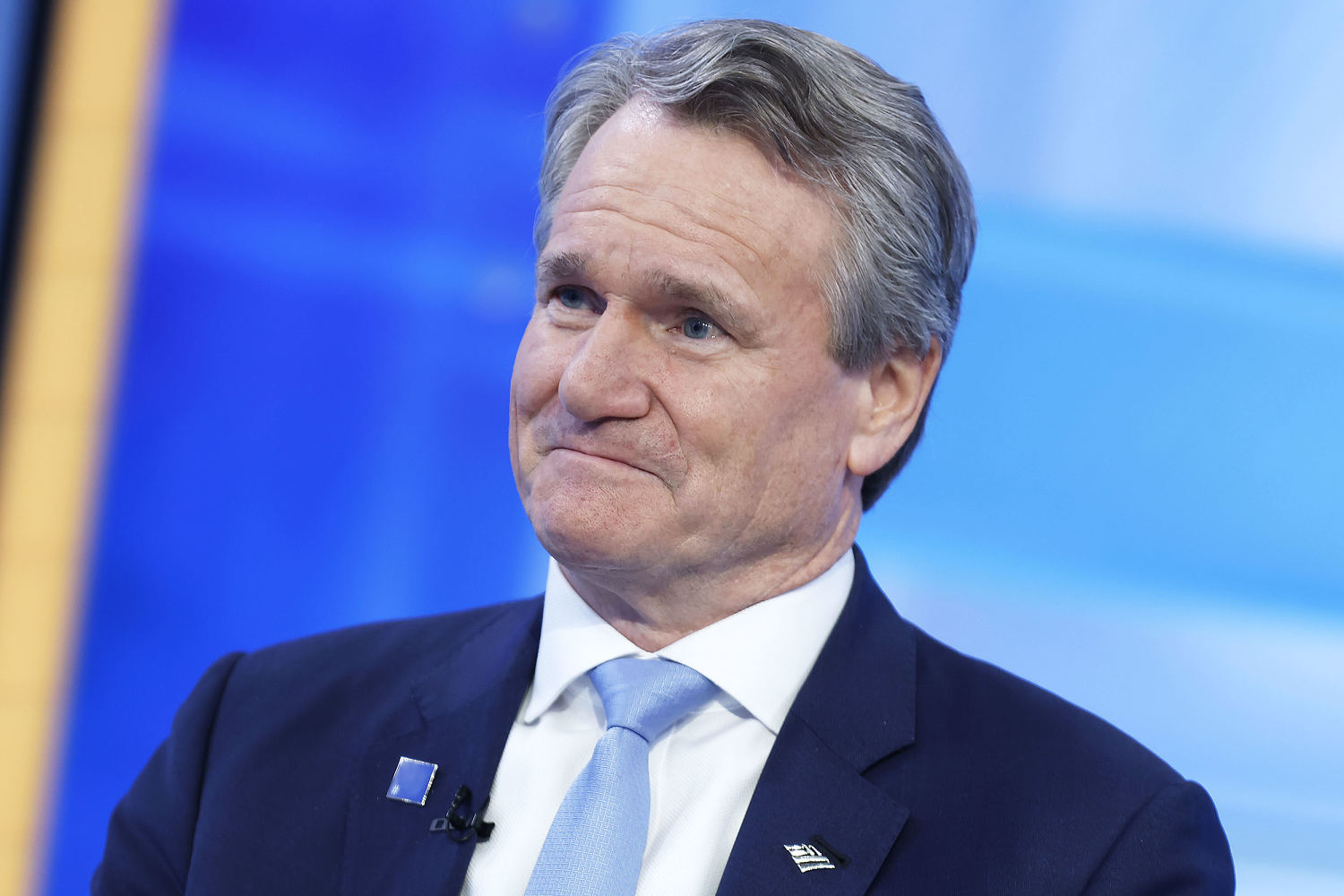
That is exactly what Bank of America CEO Brian Moynihan pointed out at the Forbes Iconoclast Summit. While macroeconomists argue over soft landings and interest rate paths, the real story of the economy is playing out in how people feed their dogs and cats.
For years, the pet industry was considered completely recession-proof. Humans will skip a meal before their furry companion misses one. But recent data from the Bank of America Institute shows a fascinating shift. People aren't stopping their pet spending, but they are aggressively changing how they spend. They are trading down from premium boutique brands to grocery store kibble.
This isn't a sign of a collapsing consumer. It is a sign of a rational, highly adaptive one.
The Myth of the Breaking Point
Every month, a new wave of headlines predicts that the American shopper is about to hit a wall. High interest rates and lingering inflation were supposed to break the economy by now. Yet, credit and debit card data from billions of dollars in aggregate transactions tells a different story.
Consumers aren't broken. They are just tired of being ripped off, and they are doing something about it.
The shift in the pet food market perfectly mirrors what is happening across the entire economy. Prices for pet food and veterinary services skyrocketed over the last few years. In response, consumer behavior shifted. Instead of buying that $80 bag of specialized, grain-free kibble at a specialty boutique, shoppers are hunting for value at the supermarket or big-box retailers.
This pattern is playing out everywhere:
- Groceries: Squeezed by stubborn food costs, shoppers are swapping name brands for private-label substitutes.
- Travel: People are still taking vacations, but they are opting for shorter trips or driving instead of flying.
- Dining Out: Fast-casual spots are winning over traditional sit-down restaurants as consumers look for cheaper alternatives that don't require a 20% tip.
When you look at total spending volumes, the numbers remain remarkably stable. Wages are still growing, and unemployment is low. The consumer has money, but the casual, careless spending of the post-pandemic era is officially dead.
Geography Explains the Spending Divide
If you look at the raw spending numbers without context, you will miss the bigger picture. Bank of America's internal card data reveals massive regional discrepancies in how people manage their budgets.
Take pet spending as a case study. Households in Seattle and San Francisco spend more than 30% above the national average on their pets. Meanwhile, cities across the American South show below-average spending.
Does this mean West Coast tech workers love their animals more than Southerners do? Of course not. It means the cost of living and localized inflation pressures dictate discretionary choices.
In high-cost-of-living metropolitan areas, consumers feel the pinch faster. They have higher mortgages, pricier insurance, and steeper utility bills. When those fixed costs eat up a larger share of the paycheck, the remaining discretionary income gets fiercely guarded.
Understanding this regional divide is vital for business owners and investors. You cannot view the U.S. consumer as a single, homogenous group. A strategy that works in a high-cost coastal city will bomb in a market where consumers have a bit more breathing room.
How to Navigate the Value Shift
If you are running a business or managing investments, you need to stop waiting for a dramatic economic crash or a sudden boom. This middle-ground reality of highly selective, value-driven spending is the environment you must operate in.
First, look at your pricing structure through the lens of value, not luxury. Consumers will still pay a premium, but only if the utility is undeniable. If your product doesn't clearly justify its higher price tag, your customers will trade down to your competitor without a second thought.
Second, watch the data that actually matters. Don't get distracted by sentiment surveys that tell you how people feel about the economy. People always say they feel bad about the economy when surveyed. Instead, look at what they do with their wallets. Watch the traffic at discount retailers, the volume of private-label sales, and yes, the volume of mid-tier pet food moving off the shelves.
The consumer isn't giving up. They are just getting smarter. If you want to survive, your business needs to do the same.