The World Health Organization just declared the current Ebola crisis in the Democratic Republic of the Congo and Uganda a Public Health Emergency of International Concern. If you feel a creeping sense of déjà vu, you aren't alone. We've seen this script before.
But if you think health workers can just roll out the same playbook that stopped previous epidemics, you're mistaken.
This isn't the Ebola we are used to fighting. Over 500 suspected cases and more than 130 deaths have been flagged in a matter of weeks. The numbers are jumping daily. An American doctor has already tested positive and is being evacuated to Germany. This rapid spread is happening for reasons that have very little to do with standard medical protocols and everything to do with a brutal mix of biology, geography, and conflict.
The real problem boils down to a single word: Bundibugyo.
The Missing Vaccine Problem
When people think of Ebola, they usually think of the Zaire strain. That's the variant responsible for the catastrophic West Africa outbreak a decade ago and the major DRC epidemics that followed. For the Zaire strain, the medical community developed Ervebo, a highly effective vaccine that acts like a firewall when injected around a cluster of cases.
The current crisis is driven by the rare Bundibugyo strain of the virus. It's only the third time in history we've seen it flare up at this scale.
Here is the catch. The existing stockpiles of Ebola vaccines don't work against the Bundibugyo variant.
There is no approved vaccine for this strain. There are no approved targeted therapies either.
When an outbreak hits, containment relies on old-school, aggressive public health measures. You have to find every single contact, isolate the sick, and wait out the incubation period. If you miss even one person, the chain of transmission keeps chugging along. Without a vaccine to create a ring of immunity around the hotspot, frontline workers are fighting a wildfire with buckets of water instead of a fire retardant.
Gold Mines and Moving Targets
The biology of the virus is only half the battle. The geographic launchpad of this outbreak made rapid containment almost impossible from day one.
The first cases surfaced in the Mongbwalu health zone, located in eastern DRC's Ituri province. Mongbwalu is a massive, informal gold-mining hub. It's an environment defined by transient, dense populations. People arrive from all over Central and East Africa, live in cramped conditions, work the mines, and leave.
Tracking contacts in a stable village is hard. Tracking contacts in an active, unregulated mining zone is a nightmare.
Before health officials could get a handle on the initial cluster, infected individuals had already packed up and moved. The virus quickly traveled to the Rwampara and Bunia health zones. Bunia is the capital of Ituri province, a major urban center. Once a hemorrhagic fever gets into a city, the math changes completely.
The virus didn't stop at provincial borders. Two laboratory-confirmed cases popped up in Kampala, the capital of neighboring Uganda. Both patients had recently traveled from the DRC. One has already died. The fact that the virus traveled hundreds of miles to a completely different country within days shows just how mobile the local population is.
The Reality of Caring and Dying
Data from the CDC and WHO highlights a specific demographic pattern in this outbreak. Two-thirds of the patients are female, and the vast majority of cases fall between the ages of 20 and 39.
This isn't a random statistical quirk. It reflects the social reality of the region.
In eastern DRC, women are the primary caregivers. They look after sick family members at home, cleaning up vomit, sweat, and blood. Because Ebola spreads strictly through direct contact with infectious bodily fluids, caregivers face the highest risk of exposure.
Traditional burial practices also complicate things. When a person dies of Ebola, their viral load peaks. The body is highly contagious. Standard customs often involve washing and touching the deceased before burial. Telling a grieving family that they can't touch their loved one is a brutal ask, and it creates immense friction between local communities and international response teams.
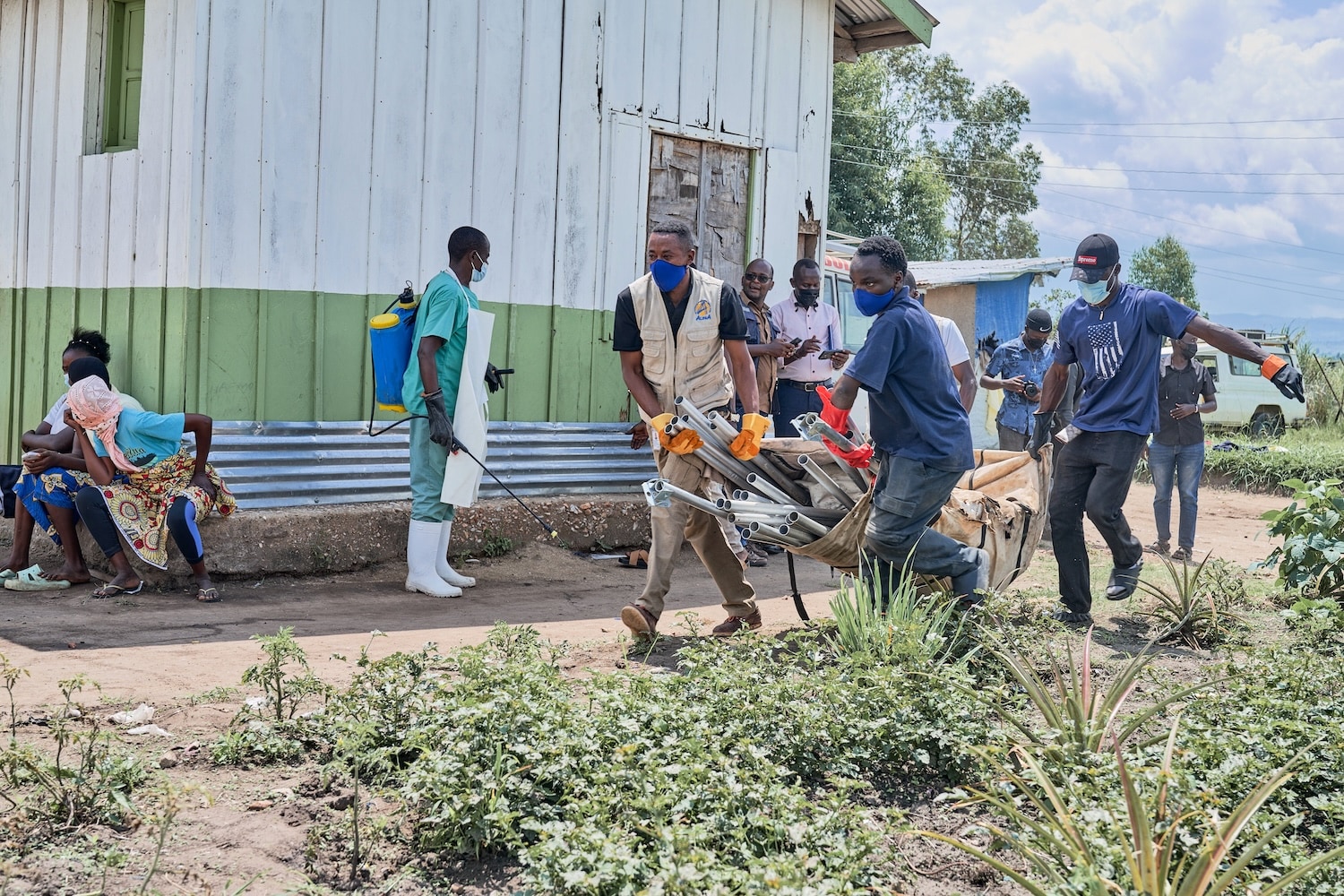
Furthermore, the region relies heavily on informal, unregulated healthcare clinics. These small dispensaries often lack basic personal protective equipment. When an undiagnosed Ebola patient walks in with a fever, the clinic staff can accidentally amplify the virus. At least four healthcare workers have already died in Ituri because of these gaps in infection control.
War Zones Don't Honor Quarantines
You can't talk about public health in eastern DRC without talking about violence. Ituri province has been plagued by conflict for years. Active armed groups operate throughout the region, launching attacks that displace thousands of people at a moment's notice.
How do you implement a 21-day quarantine when an entire village has to flee into the forest to escape gunfire?
The insecurity makes it incredibly dangerous for response teams to do their jobs. Contact tracers can't access certain villages without armed escorts, and sometimes they can't access them at all. This lack of access creates massive blind spots in surveillance data. Organizations like UNICEF and Doctors Without Borders are calling for immediate, sustained humanitarian access, but getting all factions in a regional conflict to agree to a medical ceasefire is a tall order.
The global funding environment makes things tougher. In recent years, major international aid programs have faced cuts or restructuring. When the WHO declared mpox a global emergency in 2024, the administrative declaration didn't magically translate into fast diagnostic tests or treatments on the ground. Health workers in Ituri are worried they're facing the same bureaucratic bottleneck today.
What Actually Needs to Happen Right Now
Containing this outbreak requires shifting away from the expectation of a quick medical fix. Since we can't vaccinate our way out of this Bundibugyo outbreak, the response has to focus entirely on infrastructure and community trust.
First, logistics teams must flood formal and informal health clinics in Ituri and western Uganda with basic infection prevention supplies. That means solar-powered clean water systems, heavy-duty chlorine, and personal protective equipment. If frontline nurses don't have gloves, the clinics will remain transmission engines.
Second, surveillance must pivot to a community-led model. Instead of relying on outside teams entering conflict zones, response agencies need to fund and train local leaders, youth groups, and elders who already hold the community's trust. They are the ones who can track unexplained deaths and convince families to report symptoms early, long before an international agency even knows a village exists.
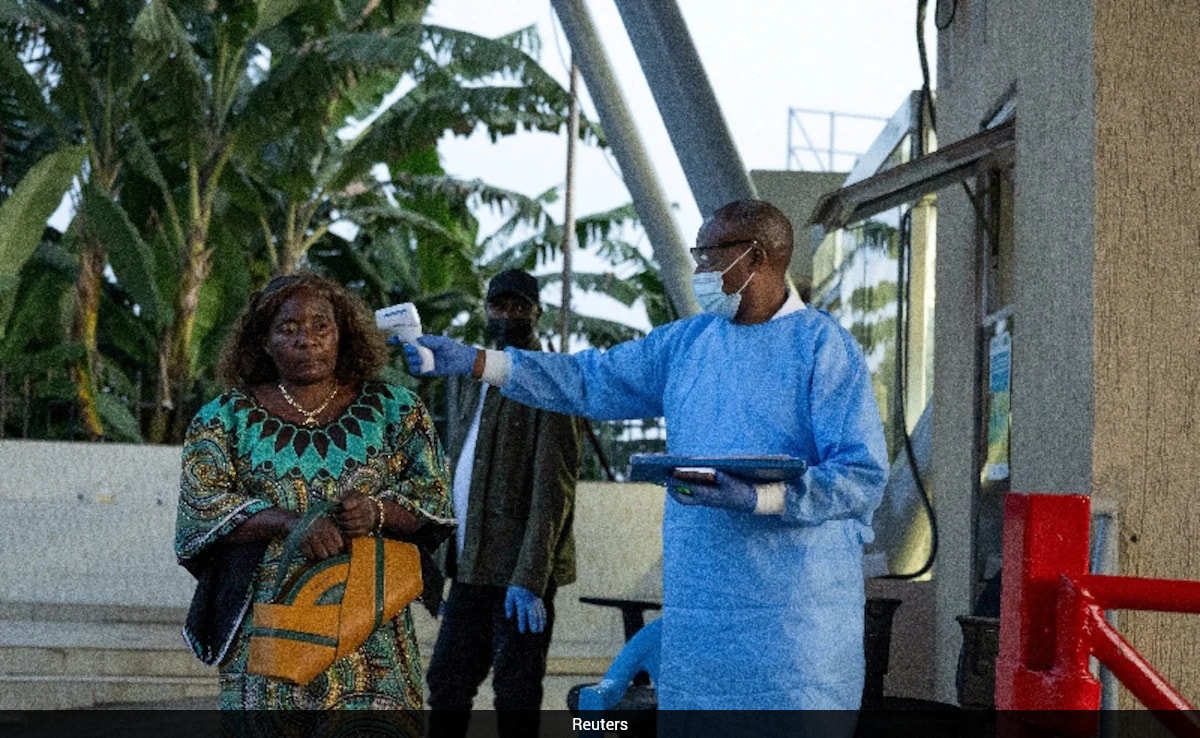
Finally, border screening at high-traffic crossings between the DRC, Uganda, and South Sudan needs immediate financial backing. The United States and European nations have already tightened travel monitoring and implemented border restrictions to protect their own populations. But the real fire is in Central and East Africa. Funneling resources directly to the land borders in the Rift Valley is the only way to keep this regional crisis from turning into a broader international emergency.