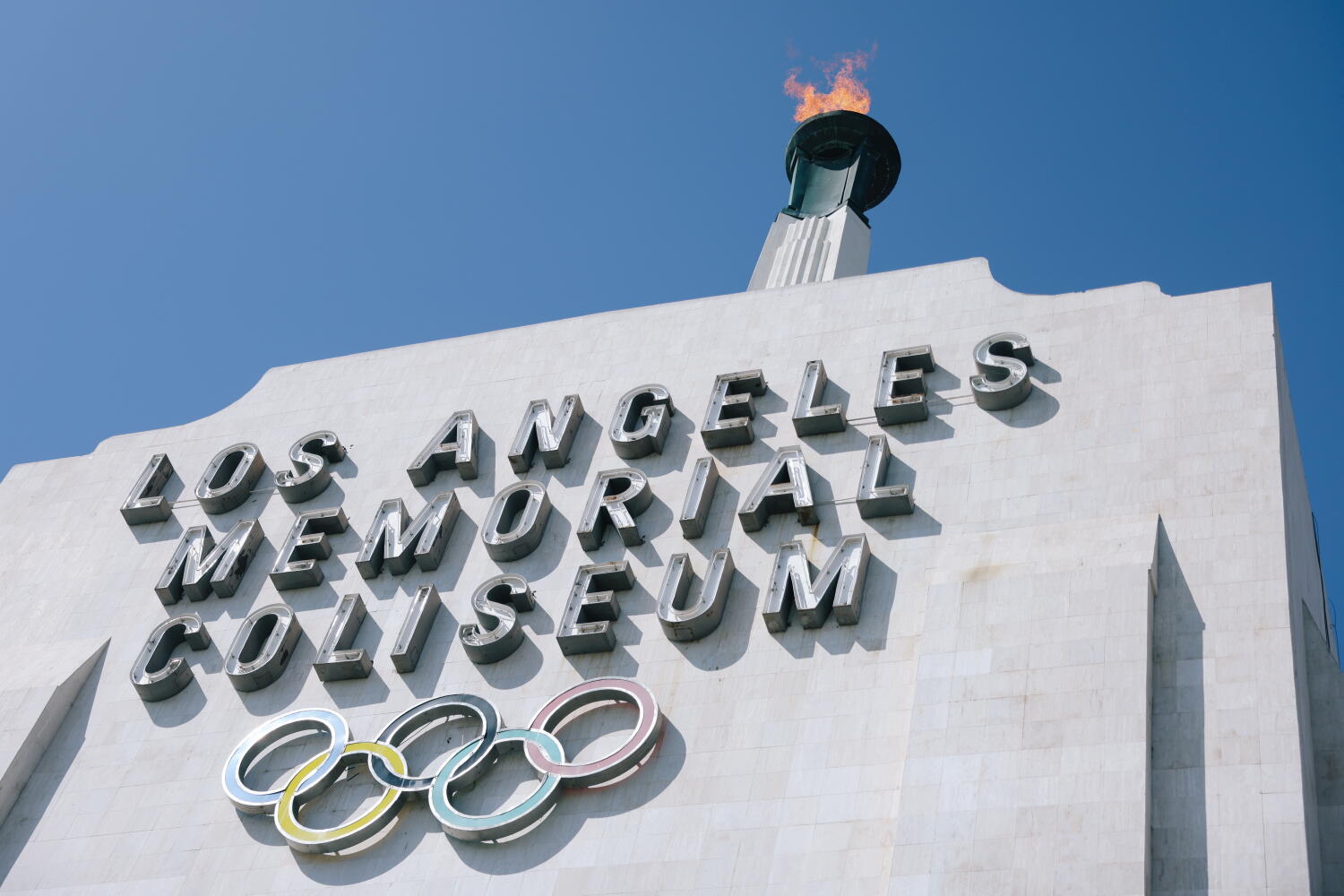
Everyone assumes the Olympic organizing committee writes the checks for the host city's big cultural festival. That's not happening in Los Angeles.
If you're waiting for LA28 to bankroll a massive, centrally produced arts extravaganza ahead of the 2028 Summer Games, you're going to be waiting forever. While the International Olympic Committee mandates a cultural program alongside the sports competition, LA28 has taken a radically hands-off approach to paying for it. Instead of acting as a traditional arts patron or festival producer, the organizing committee is leaning on a decentralized model that leaves local museums, theaters, and civic agencies scrambling to figure out who actually foots the bill.
It's a high-stakes game of hot potato. And with the 2028 Games creeping closer, the gap between grand cultural ambitions and actual bank accounts is becoming impossible to ignore.
The Myth of the LA28 Blank Check
Let's clear up the biggest misconception first. LA28 operates as a privately funded organizing committee, and its financial priorities are laser-focused on staging the sporting events without sticking taxpayers with a massive deficit. When it comes to the LA28 Cultural Olympiad, the organization isn't functioning like a traditional arts presenter.
In May 2026, LA28 unveiled its Cultural Olympiad framework, led by chair Maria Arena Bell. Rather than commissioning hundreds of brand-new shows from scratch with its own budget, LA28 introduced an "Official LA28 Cultural Olympiad Mark." Think of it less like a production grant and more like a branding stamp. Existing cultural institutions and community organizations across Southern California can apply to carry the official emblem, integrating their already-planned 2028 programming into the broader Olympic umbrella.
On paper, that sounds clever. Why reinvent the wheel when Los Angeles already boasts world-class museums, independent theaters, and vibrant neighborhood arts scenes?
In practice, it creates a massive funding headache. A shiny Olympic logo doesn't pay union stagehands, cover insurance spikes, or fund international artist visas. Local arts leaders and civic observers have pointed out that LA28's laissez-faire strategy essentially asks cash-strapped arts nonprofits to self-fund the cultural side of a multi-billion-dollar global spectacle.
Why the Leadership Void Exists
When an organizing committee steps back from direct funding, somebody else has to step up. Right now, no single entity holds the reins—or the purse strings—for L.A.'s Olympic arts landscape.
You have multiple overlapping players trying to coordinate without a unified budget:
- LA28 controls the official Olympic branding, global marketing channels, and select signature initiatives like a planned film series.
- The City of Los Angeles Department of Cultural Affairs (DCA) is developing its own 2028 Cultural Program framework designed to complement LA28, focusing heavily on municipal programming and local neighborhood engagement.
- Los Angeles County oversees county-wide cultural assets and regional arts grants that operate on completely separate fiscal calendars.
- Private Philanthropy and Foundations are being courted relentlessly to bridge the gap, though many major donors are already stretched thin supporting post-pandemic recovery and rising operational costs across L.A.'s nonprofit sector.
Because none of these groups controls the others, planning has felt fragmented. Arts administrators across the county have raised alarms that waiting until late 2026 to solidify financial pipelines leaves dangerously little runway for major international collaborations, which typically require three to four years of advance booking and fundraising.
Lessons From 1984 That Nobody Wants to Repeat
Los Angeles has been down this exact road before, and the history isn't all sunshine.
Ahead of the 1984 Los Angeles Olympics, the organizing committee hired Robert J. Fitzpatrick to build the Olympic Arts Festival. Initially, the committee floated a cultural budget of roughly $1.5 million to $2 million in early master planning, which eventually grew to around $10 million with major corporate backing from the Times Mirror Company.
Even with a dedicated festival director and corporate underwriting, the run-up to 1984 was messy. Local L.A. theater producers clashed bitterly with Fitzpatrick over how funds were distributed. Independent theater groups argued that the festival was throwing prestige money at international headliners while offering local companies pennies on the dollar—forcing small theaters to raise the bulk of their production costs on their own.
Today's setup flips the 1984 model on its head, yet risks the exact same friction. In 1984, there was a centralized czar with a checkbook that local artists felt was too small. For 2028, there isn't even a central checkbook for general arts commissions. By relying on existing institutions to bring their own funding to the table in exchange for Olympic affiliation, the system naturally favors massive, well-endowed institutions—like the Getty, LACMA, or the LA Phil—while leaving smaller, grassroots organizations fighting for scraps.
The Hidden Financial Trap of Summer 2028
Here's something people outside the arts industry rarely think about. Hosting the Olympics doesn't automatically guarantee a box-office windfall for local cultural venues. In fact, it often does the opposite.
During the 2012 London Games, West End theaters and major museums actually saw attendance plummet during the competition weeks. Tourists came for the sports, locals fled town to avoid traffic, and regular cultural patrons stayed home.
Arts institutions in Los Angeles face a real dilemma for the summer of 2028:
- Inflated Production Costs: Everything from hotel rooms for visiting performers to freight shipping and security labor will surge in price during July and August 2028.
- Audience Displacement: If locals avoid downtown L.A. and Westside corridors due to Olympic security perimeters and transit congestion, neighborhood theaters and galleries could see their regular subscribers vanish.
- Sponsor Cannibalization: Corporate sponsors that normally fund L.A. arts galas and museum exhibitions are redirecting their marketing budgets toward official Olympic sponsorships.
Without direct financial underwriting from LA28, participating in the Cultural Olympiad carries real financial risk for mid-sized organizations. An official Olympic stamp won't cover a box-office shortfall if sports fans skip the theater to watch track and field.
Where the Money Actually Has to Come From
If LA28 isn't paying for the bulk of L.A. Olympics arts programming, who will? Realistically, funding will have to be stitched together from four distinct buckets, each with its own strings attached.
1. Municipal and County Tourism Taxes
The most logical public funding mechanism is transient occupancy tax (TOT) revenue—the taxes collected from hotel stays. Cities like Santa Monica are already positioning themselves aggressively, partnering with international delegations like France's Club France at the Annenberg Community Beach House to turn Olympic hospitality into local economic activity. The City of L.A. and L.A. County can channel portions of tourism and arts development funds into neighborhood grants, ensuring cultural programming reaches communities far from the main stadiums.
2. International Cultural Diplomacy
Foreign governments treat the Olympics as a prime soft-power showcase. Countries setting up national hospitality houses—like France, Switzerland, and Austria—frequently bring their own cultural ministries, musicians, visual artists, and culinary programs. Collaborating with foreign consulates allows L.A. venues to host world-class international talent where the visiting nation picks up the travel and artist fees.
3. Coordinated Philanthropic Pools
Instead of forcing 200 local arts groups to pitch the same 20 Los Angeles foundations independently, civic leaders need pooled funding vehicles. When major foundations create a unified 2028 arts fund, they can distribute micro-grants quickly to smaller community organizations that lack full-time grant-writing teams.
4. Commercial Brand Partnerships
Even without official IOC top-tier sponsor status, lifestyle, tech, and entertainment brands will flood Los Angeles in 2028 looking for authentic cultural activations. Smart arts organizations are packaging their 2028 summer seasons as turnkey cultural experiences for corporate sponsors that want proximity to the Olympic buzz without paying nine-figure IOC licensing fees.
Practical Moves for L.A. Arts Organizations Right Now
Waiting around for a top-down rescue plan from LA28 or City Hall is a losing strategy. If you run a cultural venue, arts nonprofit, or creative collective in Southern California, you need to build your 2028 financial model on your own terms.
- Audit your summer 2028 cash flow early. Model a scenario where your core local audience drops by 20% to 30% during the Games, and build a reserve fund or secure guaranteed underwriting before committing to expensive summer productions.
- Lock in foreign consulate partnerships immediately. Reach out to cultural attachés in Los Angeles now—foreign ministries allocate their 2028 cultural diplomacy budgets well in advance and actively look for local venue partners.
- Apply for the LA28 Cultural Olympiad mark strategically. Use the official designation to unlock third-party foundation grants and corporate sponsorships, rather than treating the mark itself as your end goal.
- Schedule major local premieres in spring or fall 2028. Capture the pre-Games excitement in May and June or the post-Games momentum in September when travel costs normalize and local audiences return.
Los Angeles has more creative firepower than almost any city on earth, so the art itself won't be the problem in 2028. The organizations that thrive will be the ones that stop waiting for an Olympic handout and start locking down their own financing today.