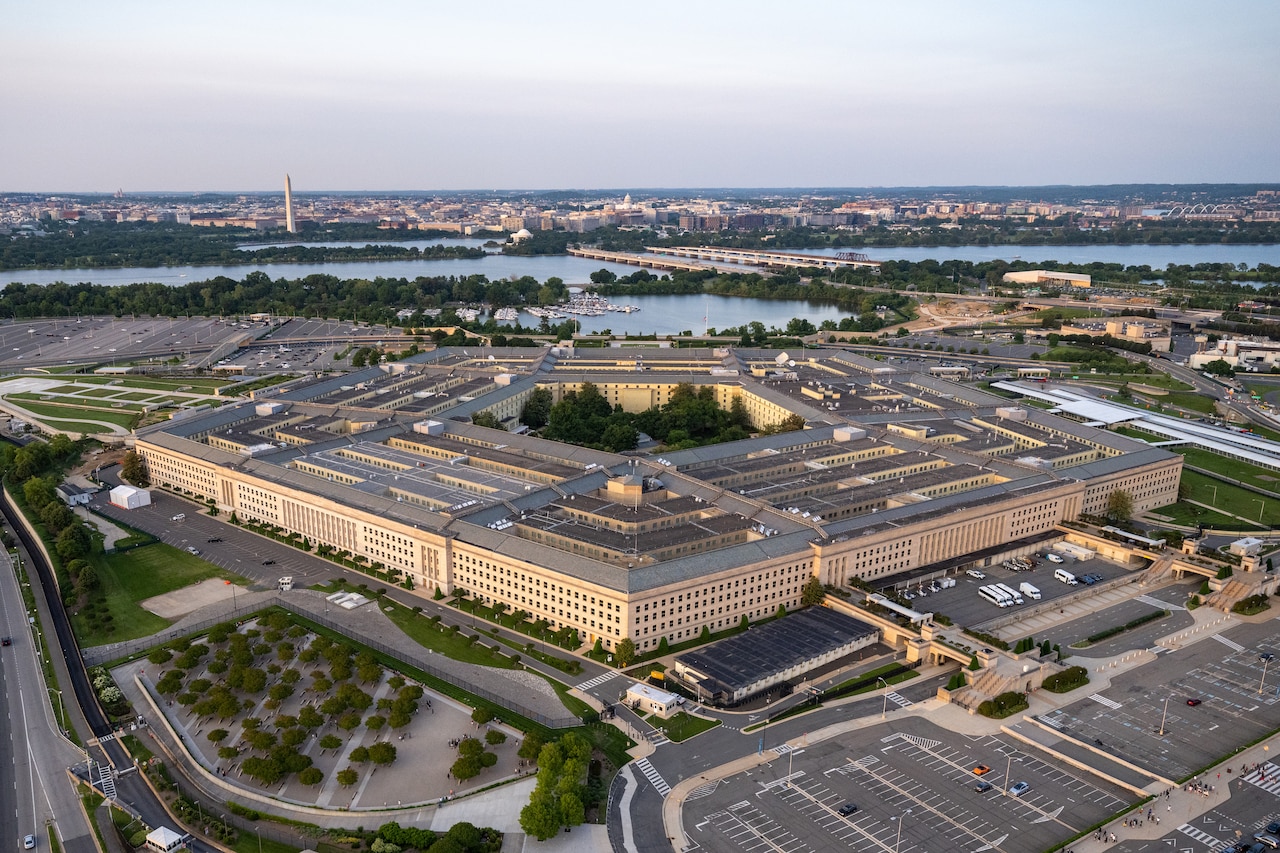
The sight of two internet personalities stepping into the Pentagon to address United States military personnel is not merely an eccentric footnote in modern governance. It is a calculated symptom of how institutional power seeks validation in an attention economy. When Logan and Jake Paul walked through the corridors of America's military headquarters to deliver motivational remarks, the immediate public reaction split along predictable lines of ridicule and outrage. Yet focusing solely on the absurdity of the guest list misses the structural transformation taking place inside national security communications.
For decades, military public affairs functioned as a rigid, highly curated gatekeeper. Press briefings were dry, deliberate affairs dominated by senior officials and credentialed defense correspondents who spoke a specialized language of logistics and strategy. The underlying assumption was simple: the prestige of the institution was self-sustaining. Citizens looked to the military with a baseline of inherited respect, and recruitment relied on traditional patriotic messaging broadcast through television networks and community outreach.
That architecture has fractured. As traditional media viewership decays among younger demographics, institutions face a stark existential crisis of relevance. The military is not immune to this pressure. Recruitment numbers fluctuate, public trust in legacy federal agencies experiences periodic erosion, and the demographic pool of eligible service members lives almost entirely inside algorithmic ecosystems. When an institution struggles to capture the attention of a generation raised on short-form video, traditional PR strategies fail.
Inviting high-reach digital creators into the inner sanctum of the Department of Defense is an attempt to borrow audiences. The calculation made by defense officials is transactional and blunt. Millions of young people who pay zero attention to congressional hearings or defense budget debates will watch a clip of a popular online personality standing in front of a military backdrop. In the calculus of modern public relations, raw impressions outweigh institutional dignity.
Yet this strategy carries a profound institutional cost. Military culture is built on hierarchy, shared hardship, specialized expertise, and a strict adherence to operational gravity. For service members who spend years mastering complex tactical systems, enduring grueling physical standards, and accepting the ultimate risks of deployment, watching internet celebrities—known largely for stunt videos, commercial ventures, and combative digital personas—paraded as motivational figures creates acute friction. It signals that attention is valued above competence, and that digital notoriety supersedes earned experience.
The defense apparatus is attempting to play a game it does not fully control. Internet celebrities do not act as passive mouthpieces for state messaging; they extract value from every environment they enter, converting institutional proximity into personal brand equity. When the state opens its doors to digital influencers, it subordinates its own gravity to the mercurial rules of the feed. The uniform, the symbols of national defense, and the halls of strategic power become mere set design for a content creator's ongoing narrative.
This is the broader reality of modern institutional survival. When authority loses its monopoly on public attention, it panics. It abandons the slow, boring work of maintaining trust through competence and transparency, opting instead for the immediate sugar hit of viral visibility. The Paul brothers' appearance at the Pentagon reveals an establishment desperate to speak a language it does not understand, attempting to rent an audience it can no longer command by right of existence.
Logan and Jake Paul's Pentagon visit explained
This short video clip captures the official broadcast footage released from the Pentagon documenting the controversial visit by the online personalities.