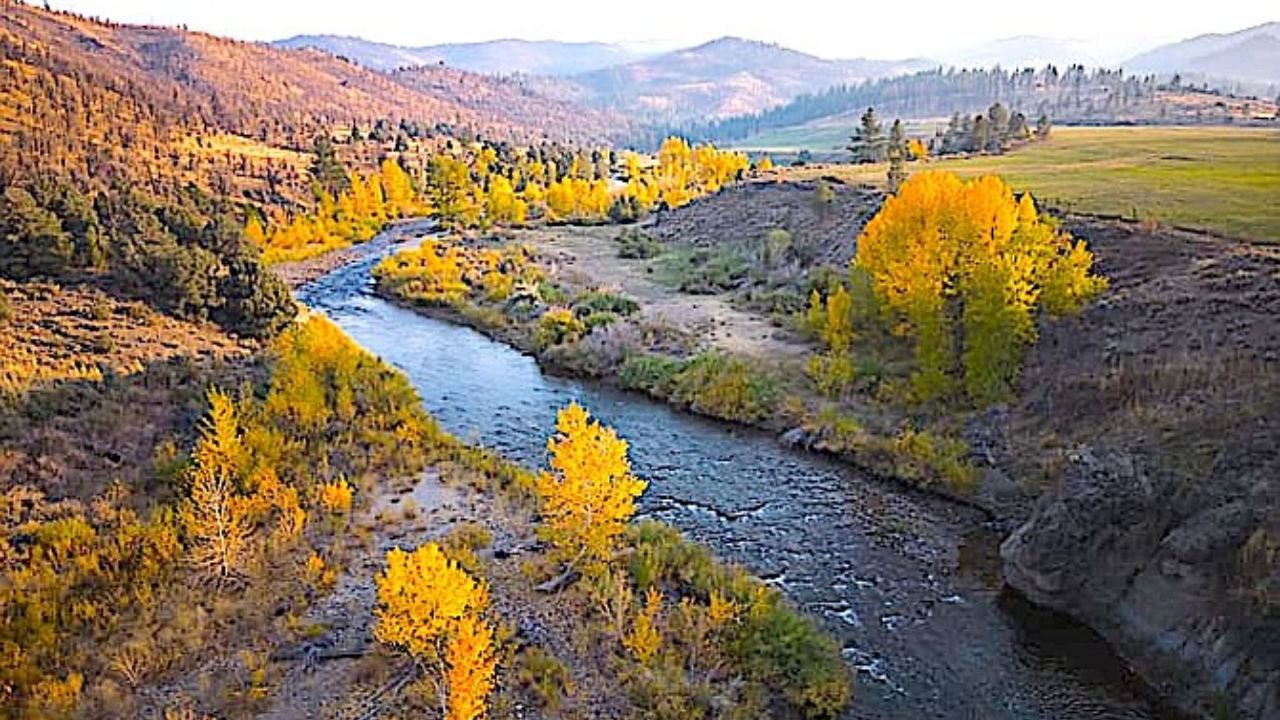
Everyone is popping champagne over the Park Ranch deal. The headlines tell a tidy, comforting bedtime story: an eight million dollar check was written, sixteen hundred and eighty-eight acres of pristine wilderness were locked down, a vital wildlife corridor was preserved, and nature breathes a sigh of relief.
It sounds wonderful. It also completely misunderstands how environmental degradation actually works in the American West.
I have spent twenty years watching well-meaning capital flow into conservation easements, and I am tired of the polite silence surrounding how many of these deals fail the very ecosystems they claim to protect. We treat a legal paperwork transaction as if it were an ecological victory. It is not. It is a management deferral strategy that locks in a static snapshot of a dynamic, dying system while letting the underlying structural pressures off the hook.
Pouring millions into a single 1,688-acre parcel while ignoring the watershed-scale hydrological reality upstream is like putting a silk bandage on a severed artery.
The Myth Of The Static Sanctuary
Conservation easements are sold to the public as permanent shields against bulldozers. Strip away the marketing jargon, and you find a different mechanism entirely. They are private land-use contracts that restrict subdivision and development in exchange for cash or tax write-offs.
The lazy consensus says that keeping cattle off a riverbank or preventing a developer from building luxury cabins solves the problem. It does not.
Park Ranch sits within a complex hydrological network where water rights, upstream diversions, climate shifts, and historical over-allocation dictate the health of the river far more than whether a fence line has a housing development behind it. When you secure a parcel through an easement, you freeze a baseline condition. But if that baseline condition is already degraded by chronic de-watering, invasive species, and choked sediment loads, freezing it in amber is an ecological tragedy disguised as philanthropy.
You have preserved the view. You have not preserved the function.
Follow The Capital
Let us talk about where the eight million dollars actually went. Conservation finance is an incestuous ecosystem of land trusts, state agencies, federal matching grants, and estate planning attorneys.
When a ranching family faces generational wealth transfer taxes or declining margins in a hyper-volatile agricultural market, a conservation easement becomes the ultimate liquidity event without requiring them to give up the lifestyle. They monetize the development potential of the dirt without losing control of the dirt.
I respect a good financial structuring as much as the next guy, but let us stop pretending this is pure altruism. It is a private equity play wrapped in green felt. The land trust gets its endowment padding and a press release. The landowners get cash and tax relief. The public gets the warm, fuzzy feeling of knowing a mountain range won't turn into a golf course.
Meanwhile, the river continues to run warm and shallow because the senior water rights tied to that ranch are still being managed for maximum historic consumption rather than instream flow restoration. If the water doesn't stay in the channel, owning the dirt next to the channel is an expensive vanity project.
The Counter-Intuitive Fix Nobody Wants To Fund
If we actually cared about saving the river, we would stop obsessing over acreage and start obsessing over water volume and thermal dynamics.
Acreage is a vanity metric. It plays well on Instagram and helps foundations hit their annual deployment targets. But a narrow, deeply shaded, legally unprotected stream corridor with guaranteed instream flow rights will always outperform a sprawling, sun-bleached multi-thousand-acre ranch locked in an easement that allows historic irrigation depletions.
Real conservation requires hostile interventions. It requires buying water rights, not just real estate. It requires retiring inefficient flood-irrigation infrastructure and taking the legal hit on senior priority dates to let the channel flood naturally during peak snowmelt.
Imagine a scenario where a conservation buyer takes that exact eight million dollars, ignores the real estate entirely, and deploys every dime into purchasing and transferring agricultural water rights directly into permanent instream trusts. The ranch next door gets subdivided? Fine. High-density, clustered housing with modern, zero-impact municipal wastewater treatment uses a fraction of the water per acre-foot that traditional flood-irrigated pasture consumes.
We would have a healthier river, more resilient aquatic habitats, and actual ecological recovery. But you cannot host a donor gala on a spreadsheet full of water lease transfers. You cannot pose for a photo next to a cubic-feet-per-second gauge.
The Real Danger Of Paper Protection
The most insidious part of the Park Ranch celebration is the false sense of security it generates.
When stakeholders pour resources into a high-profile transaction, political capital is spent. Communities check the box. Lawmakers assume the issue is handled. The public stops asking uncomfortable questions about watershed management, grazing permits on public lands upstream, and the systemic over-allocation of the basin.
We have institutionalized a system of greenwashing through real estate law. We point to the green polygons on a GIS map and pretend the ecosystem is thriving, while native cutthroat trout populations decline, riparian cottonwoods fail to recruit due to unnatural hydrographs, and soil health degrades from decades of historical compaction.
Stop celebrating the paperwork. Start measuring the discharge. Until our conservation dollars follow the water instead of the fence lines, every multi-million-dollar land deal is just an expensive funeral for a river that died of thirst while everyone was busy admiring the view.