If you want to know how a government panics when local control slips, look at Islamabad's latest decree. Pakistan's Ministry of Information and Broadcasting just dropped a massive regulatory hammer on foreign journalism. Under the freshly minted Foreign Media Facilitation Guidelines, international reporters cannot step outside Islamabad, Karachi, or Lahore to cover a story without explicit government permission.
Let's call this what it is. It's a bureaucratic blackout.
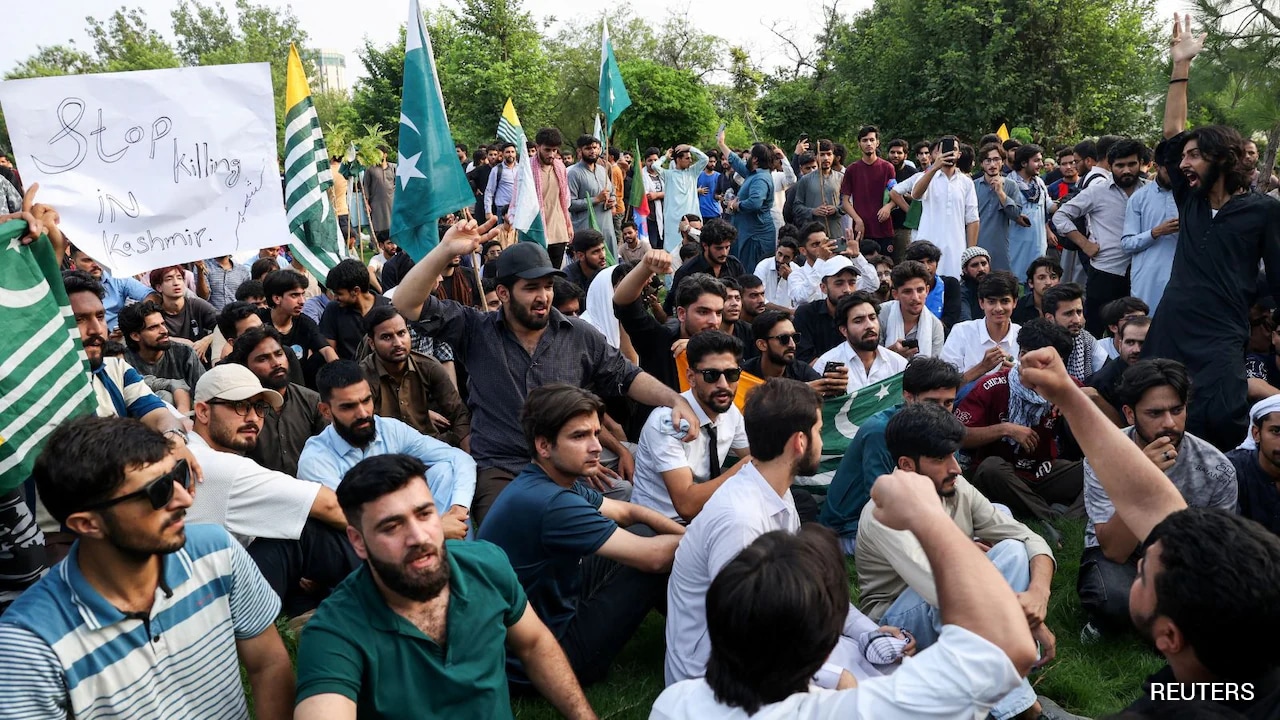
The timing isn't random. These rules arrived hot on the heels of bloody protests in Pakistan-administered Kashmir, where international outlets exposed state crackdowns and local elections boycotts that domestic channels largely ignored. When the world found out what was happening through foreign lenses, the state decided to break the lenses.
The Mechanics of the New Media Lockdown
Under the old reality, moving around was already difficult. Now, it's a labyrinth.
If you work for an international outlet, you need a mandatory No Objection Certificate (NOC) to travel anywhere outside the big three urban centers. Want to report on a climate disaster in rural Sindh, economic distress in Balochistan, or political unrest near the borders? You have to ask the External Publicity Wing for a hall pass.
And it doesn't stop at foreign correspondents flying in from London or New York. The net catches everyone:
- Pakistani nationals working abroad for foreign bureaus
- Local freelance contributors and digital creators
- Fixers, production houses, and technical support staff
- Web-based platforms and social media video operations
Try getting a quick approval from a government bureaucracy. You can't. Historically, securing permits took months, or requests vanished into a black hole of administrative silence. Meanwhile, the only exceptions carved out for quick travel are leisure trips to tourist spots like Murree and Abbottabad. If you're going for pleasure, you get three days. If you're going to do journalism, expect an indefinite wait.
Why the Rest of the World Should Care
Press freedom indices already rank Pakistan deep in dangerous territory—sitting at 153 out of 180 countries. But veteran journalists note this latest move crosses a line previous military and civilian administrations avoided. Dawn editor Zafar Abbas pointed out that in over four decades of reporting through various regimes, he's never seen restrictions this severe.
When you choke international reporting, you starve the global public of independent truth. Local journalists inside Pakistan face immense pressure, censorship, and threats. Often, the only safeguard they had was a partnership with international organizations that possessed the global platform to amplify local realities. By forcing local stringers and digital contributors through the same restrictive NOC portal, the state is cutting off those vital escape valves for information.
The guidelines also introduce QR-based PVC accreditation cards, managed entirely by the government. The state explicitly reserves the right to approve or reject accreditation based on vague criteria. If your reporting is deemed contrary to the "ideology, sovereignty, security, or public order of Pakistan," your credentials vanish. Those terms are broad enough to drive a truck through. Anything that makes the government look bad can suddenly be classified as a threat to national security.
The Broader Impact on Digital Narratives
We've moved past the era where controlling the morning newspaper or the national television broadcast means you control the narrative. The state knows this. That's why the new framework explicitly targets web-based platforms, video creators, and social media channels.
When platforms like Al Jazeera faced restrictions after reporting on regional unrest, it proved that digital reporting is the primary battlefield. By criminalizing unapproved digital documentation outside major hubs, authorities are attempting to force a return to state-sanctioned single-source narratives.
Human rights organizations, including Amnesty International and the Committee to Protect Journalists, are sounding alarms over these measures and concurrent communication blackouts. Yet, decrees written by executive fiat bypass parliamentary debate entirely, leaving legal experts pointing out that these rules lack legitimate legislative backing.
Keep an eye on how independent digital networks adapt. When traditional reporting paths close, alternative networks usually find a way through. True transparency is tough to legislate out of existence.