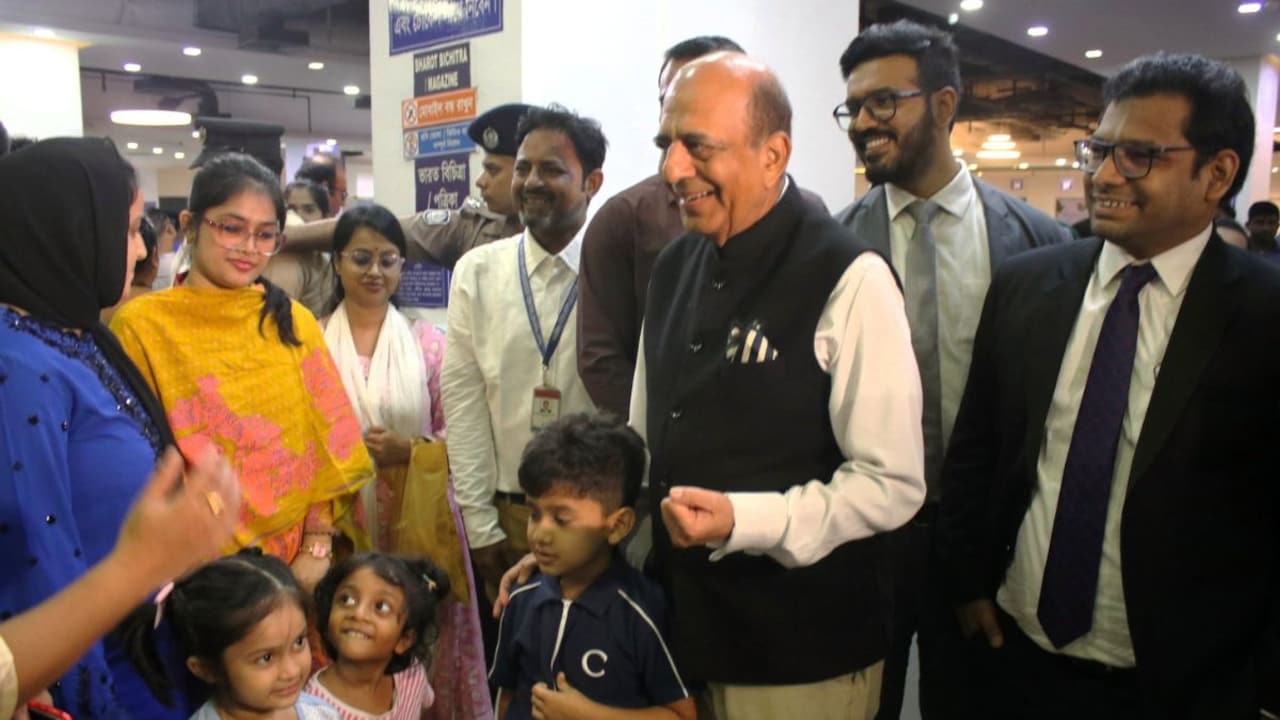
Bureaucracy rarely listens to everyday people. But a single conversation changed things at the Indian Visa Application Centre in Dhaka, proving that sometimes a direct suggestion is all it takes to spark practical reform.
High Commissioner of India to Bangladesh Dinesh Trivedi officially inaugurated a new children's play area at the massive visa facility located in Jamuna Future Park. If you've ever stood in a crowded visa queue with a restless toddler, you know why this matters. It is a small upgrade that completely shifts the administrative experience for families navigating cross-border travel.
From a Casual Request to Policy Action
The origin story of this children's corner is refreshingly straightforward. During a public visa opening announcement event, a local mother approached High Commissioner Trivedi. She didn't submit a formal petition or launch a social media campaign. She simply pointed out an obvious pain point: parents spending hours waiting in long lines needed a safe space to keep their young children occupied.
Instead of getting lost in bureaucratic red tape, the suggestion was implemented within weeks. On inauguration day, that same mother brought her child back to the facility to see the realized change. It is a rare example of government administration moving at the speed of common sense.
Easing the Burden for Travelers
Visa processing centers are notoriously stressful environments. Long queues, endless document checks, and restless kids create a miserable combination for applicants. By carving out a designated play zone, the Indian High Commission is tackling a very human problem.
This update doesn't exist in a vacuum. It follows the recent resumption of Indian tourist visas in Bangladesh after a two-year pause, which triggered a massive wave of applications. When tourist slots reopened, the sheer volume of people seeking to travel created enormous operational hurdles. Officials have had to scramble to adapt facilities to handle the massive rush.
What Else is Changing at the Visa Center
The new play area is just the start of a broader administrative push to fix chronic bottlenecks. High Commissioner Trivedi made it clear during the opening that officials are actively looking at other pain points.
The primary focus areas moving forward include:
- Expanding dedicated facilities for women and families.
- Improving services and scheduling priority for medical visa applicants who cannot afford long delays.
- Stretching slot opening windows from one week out to fifteen days to smooth out peak crowd surges.
These operational tweaks aim for a friction-free experience. When you are dealing with cross-border travel requirements, small procedural improvements translate to hours saved and significantly less gray hair.
Broader Diplomatic Context
Beyond the playground equipment, the event offered a lens into the wider diplomatic climate between New Delhi and Dhaka. Speaking to reporters on-site, Trivedi emphasized that bilateral issues are best untangled through continuous dialogue and direct leader-level talks.
Trivedi pointed to upcoming high-level diplomatic engagements, highlighting a mutual, people-friendly approach shared by Prime Minister Narendra Modi and Bangladesh Prime Minister Tarique Rahman. He stressed that open communication channels remain the fastest route to resolving complex regional friction.
For everyday citizens caught in the middle of geopolitical shifts, grand diplomatic speeches matter less than functional improvements on the ground. A safe corner for a toddler waiting for a passport stamp won't solve international disputes, but it proves that listening to ordinary citizens makes daily life a bit more manageable. If you are planning a trip across the border soon, expect a slightly less chaotic waiting room next time you walk through the doors at Jamuna Future Park.


