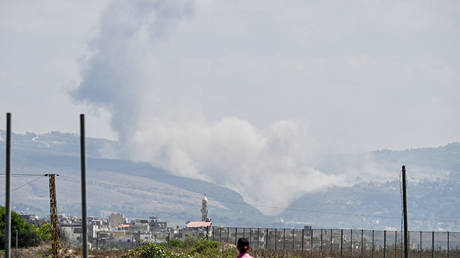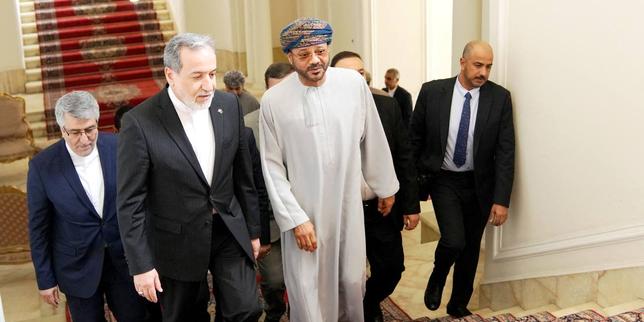
Geopolitical intermediation functions as a finite economic asset, subject to rapid depreciation when systemic volatility exceeds the capacity of the intermediary to absorb risk. Muscat operates a statecraft model predicated on structural neutrality, maintaining open diplomatic channels between Washington and Tehran. This architecture faces severe stress as the escalation curve of the American-Iranian conflict accelerates past traditional channels of quiet arbitration. The fundamental utility of Omani foreign policy relies on a strict cost-benefit equilibrium: minimizing regional blowback while maximizing strategic relevance to both Western security frameworks and Iranian regional posture. When asymmetric actions in the Strait of Hormuz or proxy escalations threaten physical maritime trade lanes, neutrality ceases to be a low-cost diplomatic exercise and transforms into a high-stakes balancing act with mounting opportunity costs.
The Architecture of Structural Neutrality
Oman maintains a distinct posture within the Gulf Cooperation Council, characterized by independent mediation rather than bloc alignment. This approach derives from geographic exposure and economic vulnerability. Bordering the Strait of Hormuz—the transit chokepoint for roughly a fifth of global petroleum consumption—Muscat cannot afford kinetic friction in its territorial waters. The economic baseline dictates the diplomatic ceiling.
Three structural pillars define this operational model:
- Sovereign Flexibility: Refusal to participate in regional interventions, preserving institutional credibility as a neutral host for backchannel negotiations.
- Intelligence Arbitrage: Maintaining trusted communication links with Western intelligence apparatuses while preserving reciprocal access to Iranian leadership cadres.
- Economic Diversification Alignment: Tying long-term national solvency, specifically through Vision 2040 initiatives, to maritime stability and foreign direct investment that requires low regional threat perception.
When the US-Iran dynamic deteriorates into active deterrence operations or direct kinetic exchanges, these pillars experience simultaneous strain. Washington demands alignment or at least active constraint of regional proxies, whereas Tehran expects diplomatic shielding or logistical leniency against sanctions pressure. The intersection of these opposing vectors creates a policy bottleneck where traditional diplomatic ambiguity generates friction with both capitals.
Quantifying the Cost Function of Mediation
Diplomatic neutrality carries hidden operational expenditures. For Oman, the cost function is calculated through three distinct variables: diplomatic capital, security expenditure, and economic opportunity loss.
$$\text{Total Intermediation Cost} = C_{\text{diplomatic}} + C_{\text{security}} + C_{\text{opportunity}}$$
As the American-Iranian friction coefficient rises, $C_{\text{diplomatic}}$ spikes because the margin for error in backchannel messaging narrows. A miscommunicated warning between Washington and Tehran risks implicating Muscat as an ineffective or biased broker. Simultaneously, $C_{\text{security}}$ escalates through heightened monitoring requirements along coastal approaches, increased naval patrols to protect commercial shipping, and the necessity of upgrading domestic counter-intelligence protocols against foreign infiltration.
The economic dimension compounds these pressures. Foreign direct investment into Omani industrial zones, such as Duqm, depends on perceived regional insulation. Insurance premiums for vessels transiting Omani waters fluctuate in direct correlation with Iranian naval posturing and US carrier strike group deployments. If insurance costs spike due to unmitigated hostility, maritime traffic shifts or slows, directly impacting port revenues and logistics sector expansion.
Furthermore, Muscat's financial architecture relies on balancing foreign reserves and managing sovereign debt obligations. Sustaining large-scale diplomatic infrastructure and providing uncompensated facilitation for high-level delegations draws fiscal resources away from domestic structural reforms. Consequently, an extended crisis forces a zero-sum allocation between external mediation overhead and internal economic stabilization.
The Structural Limits of Quiet Diplomacy
The historical utility of Omani mediation stemmed from its discretion. Backchannels operated away from public media cycles, allowing principals to test compromise proposals without domestic political retribution. However, contemporary escalations feature reduced tolerance for secret diplomacy. Public signaling by the White House and hardened positions within the Islamic Revolutionary Guard Corps diminish the functional space for quiet compromise.
This dynamic introduces a severe operational constraint: the signaling trap. If Muscat aligns too closely with American demands for sanctions enforcement or regional deterrence patrols, its perceived impartiality in Tehran evaporates, destroying its unique selling proposition as an honest broker. Conversely, if Oman fails to demonstrate responsiveness to Western security concerns, it risks losing critical security guarantees and diplomatic backing from Washington, exposing its vulnerable coastline to unmitigated maritime coercion.
The mechanics of escalation dominance further complicate this equilibrium. When Washington implements maximum pressure campaigns or kinetic strikes against proxy networks, Tehran responds through asymmetric maritime disruption or cyber operations. Because Oman sits geographically adjacent to these theater operations, its diplomatic overtures are frequently interpreted by hardliners in both countries as tactical delays rather than genuine peace-seeking efforts. This strips the mediation process of its efficacy, reducing it to a holding pattern that defers rather than resolves structural conflict.
Strategic Outlook and Sovereign Adaptation
Navigating this compressed operational environment requires Muscat to pivot from passive mediation to active risk mitigation. The historical luxury of maintaining equidistance is gradually being replaced by calculated hedging strategies designed to protect domestic economic interests against external shocks.
Sustaining long-term sovereign viability depends on insulating domestic infrastructure projects from regional kinetic spillover. This involves accelerating logistics corridor developments that bypass high-risk maritime bottlenecks, deepening trade integration with Asian economies less directly tied to the Western security umbrella, and modernizing coastal defense systems to deter localized provocations without relying entirely on external security umbrellas.
Ultimately, the test facing Omani statecraft is not whether diplomacy can permanently resolve the American-Iranian antagonism—an objective beyond the leverage of any single small state—but whether Muscat can preserve its institutional autonomy while the structural foundations of regional security undergo violent realignment. The success of this strategy hinges on maintaining strict operational discipline, refusing to be drawn into public alignments, and treating neutrality not as a moral preference, but as a rigorously managed economic asset.