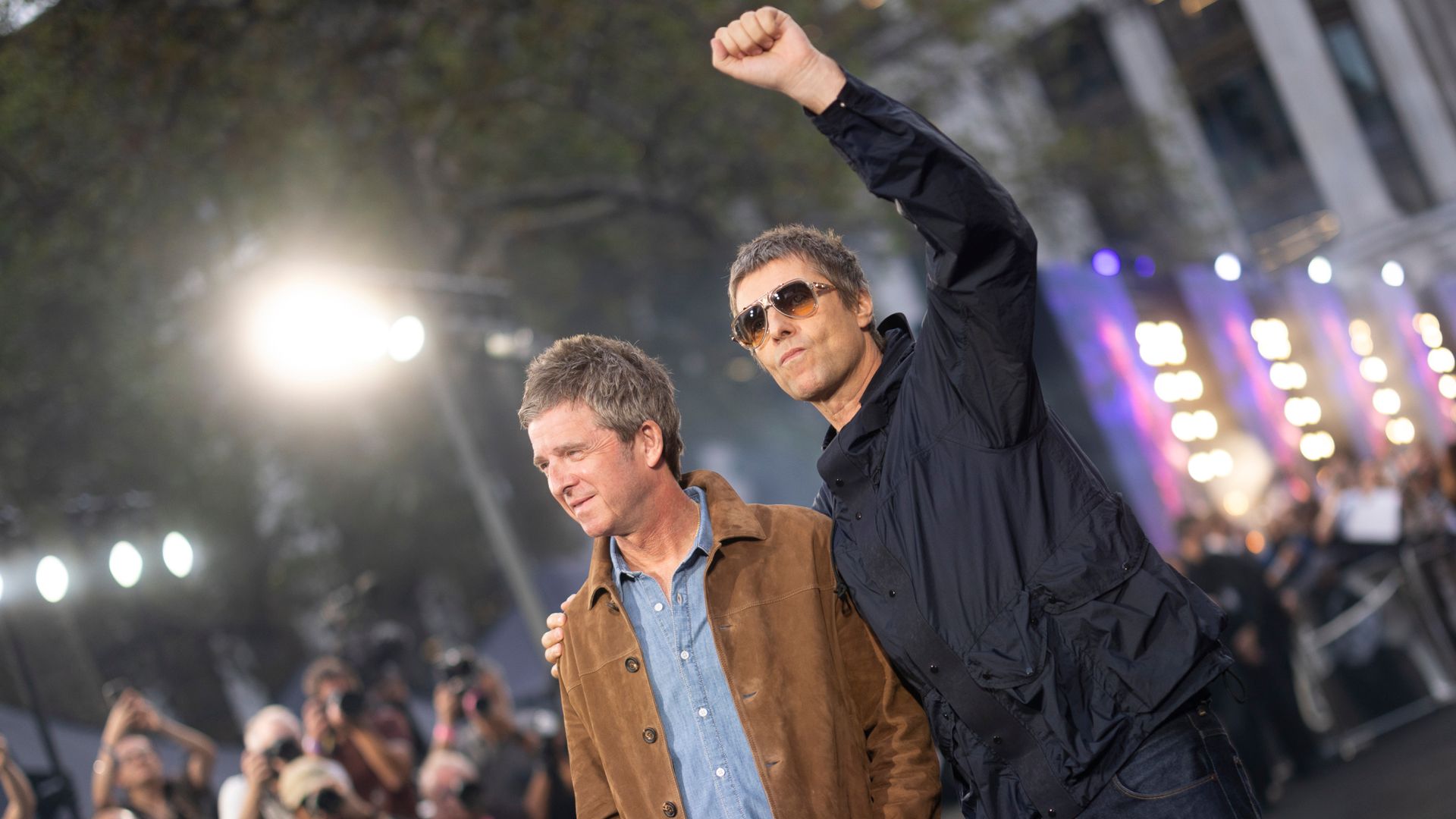
Every music journalist writing about the Gallagher brothers burying the hatchet for a cinematic premiere is selling you a manufactured fairytale. The lazy consensus across the media is that Noel and Liam standing in the same room signifies cultural healing, artistic triumph, and the nostalgic restoration of British rock royalty. They want you to believe this documentary premiere proves blood runs thicker than twenty-five years of venomous insults and multimillion-pound grudges.
They are lying to your face. Or worse, they are simply too naive to recognize the oldest business model in modern entertainment: weaponized nostalgia.
I have spent decades watching washed-up brands squeeze the last drops of goodwill from an audience desperate for the past because the present feels too bleak. This isn't a miraculous reconciliation. It is a carefully audited balance sheet calculation.
The Economics Of Managed Hatred
Look at the mechanics of how this so-called reunion was built. For two decades, the tension between the brothers was the product. Every insult hurled on Twitter, every passive-aggressive interview in music magazines, kept the myth alive. If they had made up in 2012, the brand would have diluted. By keeping the feud white-hot, they multiplied the scarcity value of their catalog.
When media outlets fawn over a premiere red-carpet appearance, they ignore the underlying financial necessity. Solo careers plateau. Solo ticket sales require actual new material that audiences largely ignore in favor of the old anthems. The premiere of Don't Look Back In Anger is not an artistic milestone; it is the opening salvo of a marketing campaign designed to separate middle-aged men from their disposable income.
We are told we are learning deep truths about brotherhood from this film. Here is the actual truth: brotherhood doesn't need a PR firm, a documentary crew, and a ticketed premiere to heal. Real reconciliation happens quietly, away from flashbulbs and streaming deals. What you are watching on that red carpet is a corporate merger disguised as family therapy.
Why The Nostalgia Trap Stunts Culture
The obsession with unearthing past glories to dissect them on a cinema screen reveals a deeper rot in contemporary music culture. We have stopped demanding new cultural touchstones. Instead, we pay exorbitant ticket prices to watch aging men rehash the exact arguments they were having when Tony Blair was in office.
When you validate this narrative that the Gallagher reunion is the most important cultural event of the year, you participate in the systematic starvation of new art. Every column inch dedicated to whether Noel and Liam shared a dressing room is an inch stolen from an artist actually trying to build something original.
Imagine a scenario where the media treated the Gallagher brothers' petty bickering with the total indifference it deserves. Imagine if, instead of treating a documentary about nineties indie rock like the moon landing, critics demanded to know why major labels refuse to fund authentic risk-taking in modern guitar music.
The lazy narrative treats the brothers as tragic heroes of a Shakespearean drama. They are not Shakespearean. They are shrewd businessmen who realized that playing stadium nostalgia acts pays better than maintaining artistic integrity.
The Brutal Reality Of The Live Circuit
Let us address the elephant in the room that the fan blogs refuse to touch: the live performance reality. The voices are weathered. The energy is calculated. The setlists are frozen in amber. You are not paying to see a vibrant, dangerous rock band push boundaries. You are paying to sing backup vocals with forty thousand other people who also peaked in nineteen ninety-five.
There is a distinct cost to this endless recycling of past grievances and subsequent cash-ins. It trains audiences to value longevity over intensity, and comfort over discovery. When a band spends its entire existence trading on the capital of an album released thirty years ago, the music stops being an art form and becomes a retirement fund.
The documentary wants you to feel sentimental. It wants you to forget the missed weddings, the canceled tours, the toxic interviews, and the sheer exhaustion of watching two grown men behave like toddlers for three decades. It asks you to wipe the slate clean because of a well-lit photo op on a red carpet.
Do not fall for it.
The next time a culture writer tries to convince you that Noel and Liam standing together signifies a grand cultural awakening, ask yourself what they are trying to sell you. The answer is always the same.
Stop buying tickets to your own youth. Let the nineties die.