The coffee was still warm when the kitchen window began to rattle.
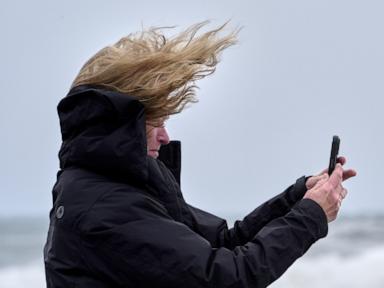
At first, it sounded like a distant freight train rattling across an old trestle bridge, a low and rhythmic thrum vibrating through the floorboards of a colonial home in coastal Connecticut. Then came the wind. It did not blow so much as it possessed. It tore through the sleeping suburbs, stripping maples of their late-autumn copper and slamming patio furniture against brick foundations with the sound of breaking bone.
By 3:00 AM, the lights flickered twice. Then, total blackness.
When a powerful storm system sweeps across the northeastern United States, it leaves behind a specific kind of silence. Modern life is a symphony of hums: refrigerators cycling, Wi-Fi routers blinking, heating systems breathing through metal ducts. When the power grid fails across ten states, that machinery stops. What remains is raw nature, pressing hard against the windowpane.
Consider what happens next in thousands of homes simultaneously.
The digital clock by the bed goes dead. The phone screen illuminates a panicked face checking for alerts that won't load because the local cell tower just lost its backup generator. Outside, a transformer blows with a blinding blue flash, casting eerie, pulsing shadows across bedroom walls before plunging the neighborhood back into an inky, impenetrable void.
This is the hidden cost of our modern infrastructure. We build towering glass skyscrapers in Boston, historic brownstones in Brooklyn, and sprawling commuter enclaves in New Jersey, all tethered to an invisible, aging web of copper and steel. We treat electricity like oxygen—invisible, weightless, and infinitely abundant—until the moment it is gone.
The storm did not arrive unannounced, of course. Meteorologists track these atmospheric collisions for days, watching high-pressure ridges battle moist maritime air streaming up from the Atlantic. But data on a radar screen does not translate to human reality until a massive oak branch crashes through a roof, pinning a family car in the driveway.
Water is the second, more insidious intruder.
As torrential rains fell across saturated soils from Pennsylvania up through Maine, rivers that had quietly flowed for centuries found themselves choked. In low-lying coastal towns, the high tide collided with massive storm surges, pushing saltwater over seawalls and into downtown storefronts.
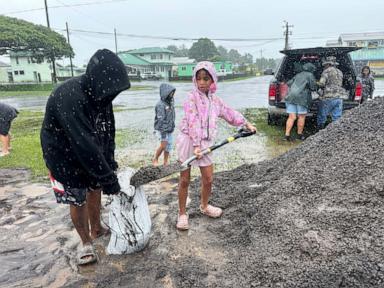
Imagine standing on a sidewalk in a historic coastal village in Rhode Island. The water rises past the curb. It laps against the tires of parked sedans, soaking into floorboards, shorting out electrical systems, turning familiar streets into swift-moving brackish canals. Business owners arrive at dawn, rubber boots pulled high, staring in disbelief at water lines creeping three feet up their drywall. Inventory is ruined. Floors are warped. Years of accumulated sweat and capital sit submerged in muddy runoff.
Behind every statistic of "hundreds of thousands without power" and "widespread coastal flooding" lies a human story of interruption and resilience.
There is the elderly woman on the third floor of a walk-up apartment in downtown Providence, entirely reliant on an electric stairlift. With the grid down, her world shrinks to the four walls of her living room, her daughter navigating dark stairwells with a flashlight to bring her soup and bottled water. There is the local diner owner in New Hampshire who fires up a propane camp stove on the sidewalk, serving hot coffee in paper cups to utility crews who haven't slept in twenty-four hours.
We rely heavily on these lineworkers, yet we rarely think of them until the dark descends.
They are the ones who climb swaying wooden poles in freezing, horizontal rain while the wind howls at gale force. They work with heavy-duty insulated gloves, guided by the harsh glare of halogen headlights, untangling power lines wrapped in shattered tree limbs. It is dangerous, grinding labor performed in the dead of night, driven by a singular mandate: restore the pulse.
The storm system eventually moved out to sea, leaving behind a crisp, deceptive morning sun that glittered off vast inland puddles and heaps of storm-tossed debris.
People stepped out onto their porches, coffee mugs in hand, assessing the damage. Chainsaws started up in unison, a jagged chorus echoing across neighborhoods as neighbors began cutting paths through fallen timber. Power companies mobilized vast fleets of trucks, drafting reinforcements from neighboring states in a massive logistical ballet to systematically repair blown transformers and downed substations.
Yet, as the lights slowly blinked back on street by street over the course of days, something else shifted in the collective consciousness.
We are reminded, with startling abruptness, of our profound fragility. For all our technological wizardry, our smart homes, and our instantaneous global communication, we remain remarkably vulnerable to the ancient fury of the elements. The grid is not invincible. The earth is not entirely conquered.
When the next gale gathers over the dark Atlantic, watching the radar is not enough. We must look at our neighbors, check our supplies, and remember what it feels like when the artificial night takes over, leaving us to find our way entirely by the warmth of human endurance.