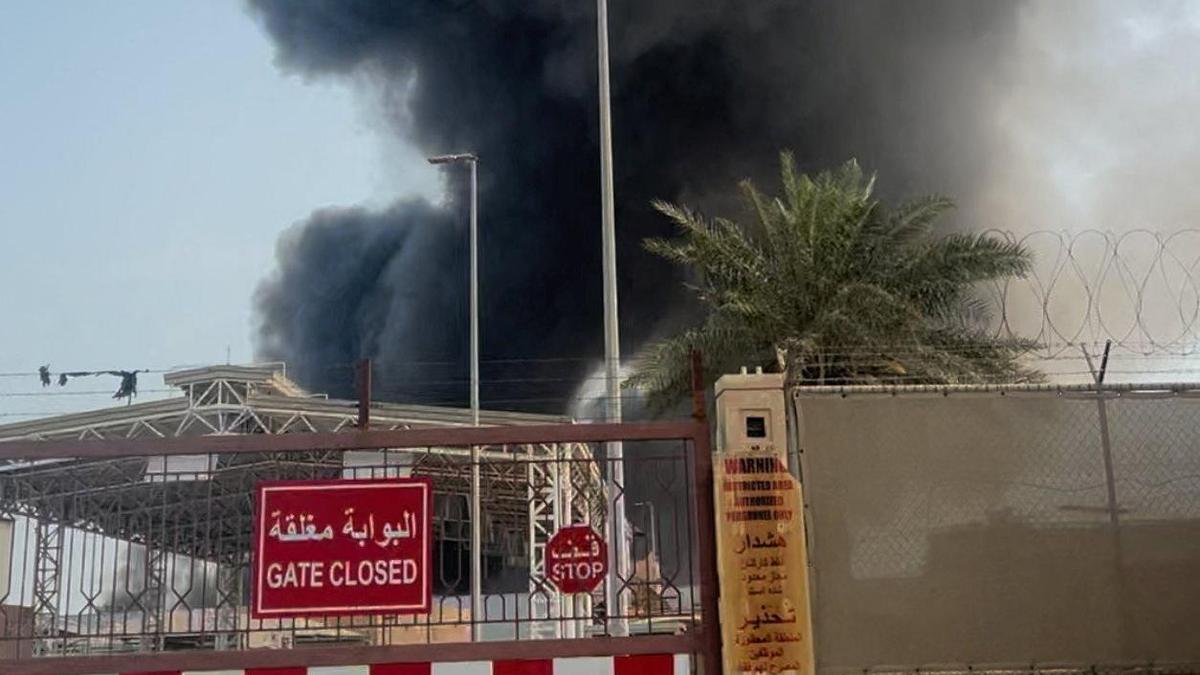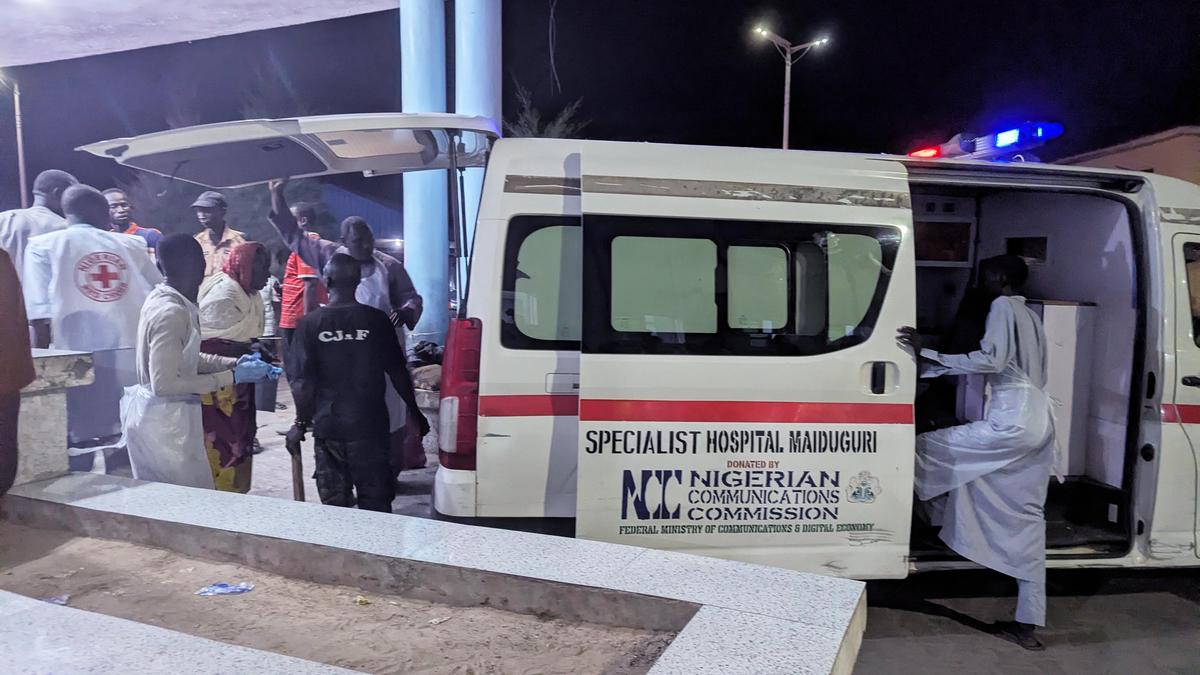
The images coming out of Gwoza are gut-wrenching. We’ve seen this pattern before, but the scale of the recent suicide bombings in Borno State reminds us that the insurgency in northeastern Nigeria isn’t just a "lingering issue." It’s a recurring nightmare. When multiple bombers target a wedding, a funeral, and a hospital in a single day, it’s not just a tactical strike. It’s a calculated effort to dismantle the very fabric of civilian life.
Official reports from the Borno State Emergency Management Agency and local authorities confirm that dozens of people lost their lives, with many more sustaining life-altering injuries. The victims weren't soldiers. They were bridesmaids. They were mourners. They were people trying to survive in a region that has been a literal battleground for over fifteen years. If you think the "defeat" of these extremist groups is imminent, you haven't been paying attention to the ground reality.
The Strategy of Targeting the Vulnerable
Soft targets are the preferred choice for groups like Boko Haram and its offshoots because they require fewer resources and yield maximum terror. In the Gwoza attacks, the use of female suicide bombers remains a chilling hallmark of this conflict. It’s a tactic designed to exploit the cultural norms of the region. Women are often less likely to be searched rigorously at checkpoints, a fact the insurgents weaponize with devastating efficiency.
Security experts have long warned that as these groups lose territory, they pivot back to guerrilla-style urban carnage. They don't need to hold a city to control it through fear. When a woman walks into a crowded wedding feast with an improvised explosive device (IED) strapped under her garments, the message is clear. Nowhere is safe. Not even your most sacred celebrations.
The military has made gains, sure. We've seen the reclaiming of major towns and the clearing of Sambisa Forest hideouts. Yet, the persistence of these IED attacks shows a massive gap in intelligence-gathering at the community level. You can't fight a suicide bomber with a tank. You fight them with human intelligence and proactive policing before they ever reach the town square.
Why Northeastern Nigeria Struggles to Heal
The devastation in Borno State isn't just about the immediate blast radius. It’s about the long-term displacement and the psychological scarring of a generation. Over 2 million people remain displaced across the Lake Chad Basin. When bombs go off in places like Gwoza, it resets the clock on any progress made toward resettlement.
International organizations like Médecins Sans Frontières (MSF) and the International Committee of the Red Cross (ICRC) often find themselves overwhelmed. The local healthcare infrastructure is already thin. When forty or fifty people are rushed to a rural clinic with shrapnel wounds, the system collapses. We aren't just looking at a security crisis; it's a permanent humanitarian emergency.
Many people assume the conflict is purely religious. That’s a massive oversimplification. While ideology plays a role, the oxygen for this fire comes from poverty, a lack of education, and a feeling of total abandonment by the central government. In the northeast, the unemployment rate is staggering. When a young person feels they have no future, the extremist recruiters don't have to work very hard.
The Role of Intelligence Failures
We have to be honest about the security apparatus. The Nigerian military is stretched thin. They’re fighting bandits in the northwest, secessionists in the southeast, and insurgents in the northeast. This "fireman" approach to national security means that local intelligence often falls through the cracks.
- Local residents often know who the "strange faces" are but are too terrified to report them.
- Information sharing between the police, the military, and the Civilian Joint Task Force (CJTF) is frequently bogged down by bureaucracy.
- Border security remains porous, allowing for the easy movement of bomb-making materials from neighboring countries.
The International Response and What Is Missing
The world usually pays attention to Nigeria for about forty-eight hours after a major blast. Then the news cycle moves on. The African Union and Western allies provide "technical support," but the hardware isn't the problem. The problem is a lack of sustainable investment in the "human" side of security.
If we want to stop the bombings, we have to stop the production of the bombers. That means radical deradicalization programs that actually work, rather than just releasing former fighters back into communities that aren't ready to receive them. It means creating an economy in Borno that offers more than just subsistence farming.
Right now, the response is reactive. A bomb goes off, the government issues a statement of "strong condemnation," the victims are buried, and we wait for the next one. That’s not a strategy. That’s a holding pattern.
Practical Steps for Supporting Relief Efforts
If you’re looking for a way to help beyond just reading the headlines, focus on the organizations that have boots on the ground in Borno State. They need more than "thoughts and prayers."
- Support Medical Relief: Organizations like MSF (Doctors Without Borders) are often the first to handle the surge of trauma patients after these blasts.
- Advocate for Transparency: Push for better reporting on how security budgets are actually spent in the northeast. Accountability is the only way to ensure soldiers have the gear and intelligence they need.
- Focus on Education: Support initiatives that provide schooling for internally displaced children. Education is the most effective long-term weapon against extremist recruitment.
The situation in Gwoza is a grim reminder that the war is far from over. It’s time to stop treating these attacks as isolated incidents and start addressing the systemic failures that allow them to happen. If the Nigerian government and the international community don't change their approach, the cycle of funerals and "condemnations" will just keep spinning.