The 2026 NHL trade deadline was supposed to be the moment the league finally exhaled. After years of the "flat cap" era—a financial chokehold born of the pandemic that turned general managers into glorified accountants—the ceiling was finally meant to lift. The cap jumped to $95.5 million this season, and yet, when the 3:00 p.m. ET clock struck on Friday, the expected explosion of superstar movement felt more like a damp firecracker.
The core reason for this paralysis is a paradox. While there is more money in the system, the price of "winning now" has become so astronomically high in terms of draft capital and prospect depth that the middle class of the NHL is effectively frozen. Contenders are terrified of the "all-in" move that fails, while bottom-feeders are demanding hauls for average players that would have landed a Hall of Famer a decade ago.
The St. Louis Standstill
Nowhere was this tension more evident than in Missouri. For weeks, the hockey world waited for the St. Louis Blues to pull the trigger on a total teardown. Robert Thomas and Jordan Kyrou, two elite pillars in their mid-20s, were the subjects of relentless speculation. They are the exact type of assets teams usually move when they are last in the Central Division.
But the Blues didn't budge on their core. They moved Justin Faulk to Detroit and Brayden Schenn to the Islanders, but they clutched Thomas and Kyrou like life rafts. Why? Because the market has shifted from "hockey trades" to "asset hoarding." St. Louis GM Doug Armstrong knows that in a world where the salary cap is projected to hit $113.5 million by 2028, a 26-year-old No. 1 center like Thomas is worth more than any four first-round picks could ever provide.
By keeping their stars, the Blues signaled a new reality. The "Great Reset" that many analysts predicted is being replaced by a "Strategic Pause." Teams no longer want to endure five-year scorched-earth rebuilds when the financial landscape is changing this quickly.
The Anatomy of the 2026 Deadline
Despite the quiet atmosphere, the deals that did happen revealed a desperate hunger for right-shot defense and veteran stability. The Anaheim Ducks provided the shock of the day by snagging John Carlson from the Washington Capitals.
| Player | From | To | Return |
|---|---|---|---|
| John Carlson | Washington | Anaheim | 1st Round Pick (2026), 3rd Round Pick (2027) |
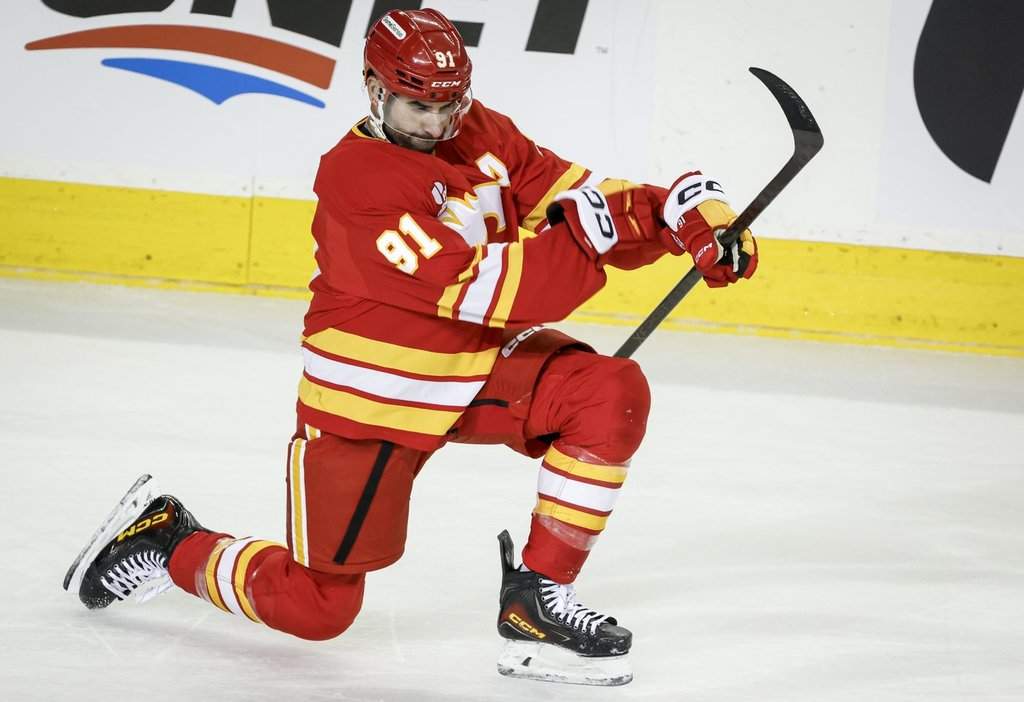
| Nazem Kadri | Calgary | Colorado | Victor Olofsson, Draft Picks |
| Justin Faulk | St. Louis | Detroit | 1st Round Pick (2026), 3rd Round Pick (2026), Justin Holl |
| Brayden Schenn | St. Louis | NY Islanders | 1st Round Pick (2026), 3rd Round Pick (2026), Jonathan Drouin |
The Carlson trade is a masterclass in opportunistic management by Ducks GM Pat Verbeek. He recognized that Washington, reeling from the emotional weight of the Alex Ovechkin era winding down, was ready to move on from their cornerstone defenseman. By weaponizing a prospect cupboard that has been overflowing for years, Anaheim didn't just add a player; they added a culture-setter for their young core of Leo Carlsson and Mason McTavish.
The Rental Market is Dying
The days of the pure "rental"—a pending unrestricted free agent (UFA) who costs a first-round pick for a two-month playoff run—are fading. Look at the return for Scott Laughton. The Toronto Maple Leafs, after surrendering a first-rounder for him just a year ago, could only claw back a conditional third-round pick from the Los Angeles Kings.
Contenders are no longer willing to bleed out for depth. They want "term." They want players like Vincent Trocheck or Justin Faulk, guys who are under contract for three or four more years. In a capped league, cost certainty is the only real currency.
This shift has left middle-six forwards and bottom-pair defensemen in a state of limbo. If you aren't a game-changer or a cheap entry-level contract, you are becoming an endangered species on trade deadline day. The "firecracker" players, as Minnesota Wild fans called the recently departed Vinnie Hinostroza, are being moved for "future considerations" or seventh-round picks because teams simply won't risk their mid-tier draft capital on marginal improvements.
Why the Big Names Stayed Put
The most significant stories of the 2026 deadline are the trades that never happened. Sergei Bobrovsky remains in Florida. Elias Pettersson is still a Vancouver Canuck. Steven Stamkos is still a Nashville Predator.
The "why" is rooted in a fundamental disagreement over valuation. In Vancouver, the Canucks are at the bottom of the standings but refused to sell Pettersson for anything less than a king's ransom. Potential buyers looked at Pettersson’s $11.6 million cap hit and his declining point production and walked away.
It is a classic case of the "Sunk Cost" fallacy in professional sports. Teams would rather keep an underperforming star and hope for a "change of scenery" bounce next year than admit defeat and take 60 cents on the dollar. This creates a stagnant league where the worst teams stay bad because they are too proud to sell, and the best teams stay stagnant because they are too frugal to buy.
The New Salary Cap Rule Controversy
A hidden factor in this year’s slow market was a late-summer rule change by the NHL and the NHLPA. The league expedited new regulations regarding the "playoff cap loophole"—the practice of placing high-salaried stars on Long-Term Injured Reserve (LTIR) only to have them miraculously heal just in time for Game 1 of the playoffs.
General managers were reportedly "blindsided" by these changes. One executive described the mid-season implementation as "bush league." By tightening the rules on how LTIR cap space can be utilized in the postseason, the league effectively removed the "cheat code" that teams like Vegas and Tampa Bay have used to field rosters millions of dollars over the limit.
Without that extra cushion, teams that would normally be aggressive stayed cautious. They simply didn't have the math to make a blockbuster work.
The Winners in the Shadows
While the big names stayed put, several teams played the long game perfectly. The Detroit Red Wings and Utah Mammoth emerged as the quiet victors of the week. Detroit added Justin Faulk to solidify a defense that has been porous for years, while Utah used their massive draft capital to pry MacKenzie Weegar away from Calgary.
These aren't just moves for 2026. These are moves for the next three years. As the cap continues its march toward $120 million, these contracts—which look expensive now—will become the bargains of the late 2020s.
The NHL trade deadline is no longer a day of frantic action. It is a chess match where the board is getting larger, but the pieces are getting more expensive to move. The real winners aren't the teams that made the most noise on Friday afternoon, but the ones who realized that in this new economy, the best move is often the one you don't make.
General managers are learning the hard way: more money doesn't mean more movement. It just means the stakes of being wrong have never been higher.
Would you like me to analyze the specific prospect hauls of the teams that chose to sell their veteran depth for 2027 draft picks?