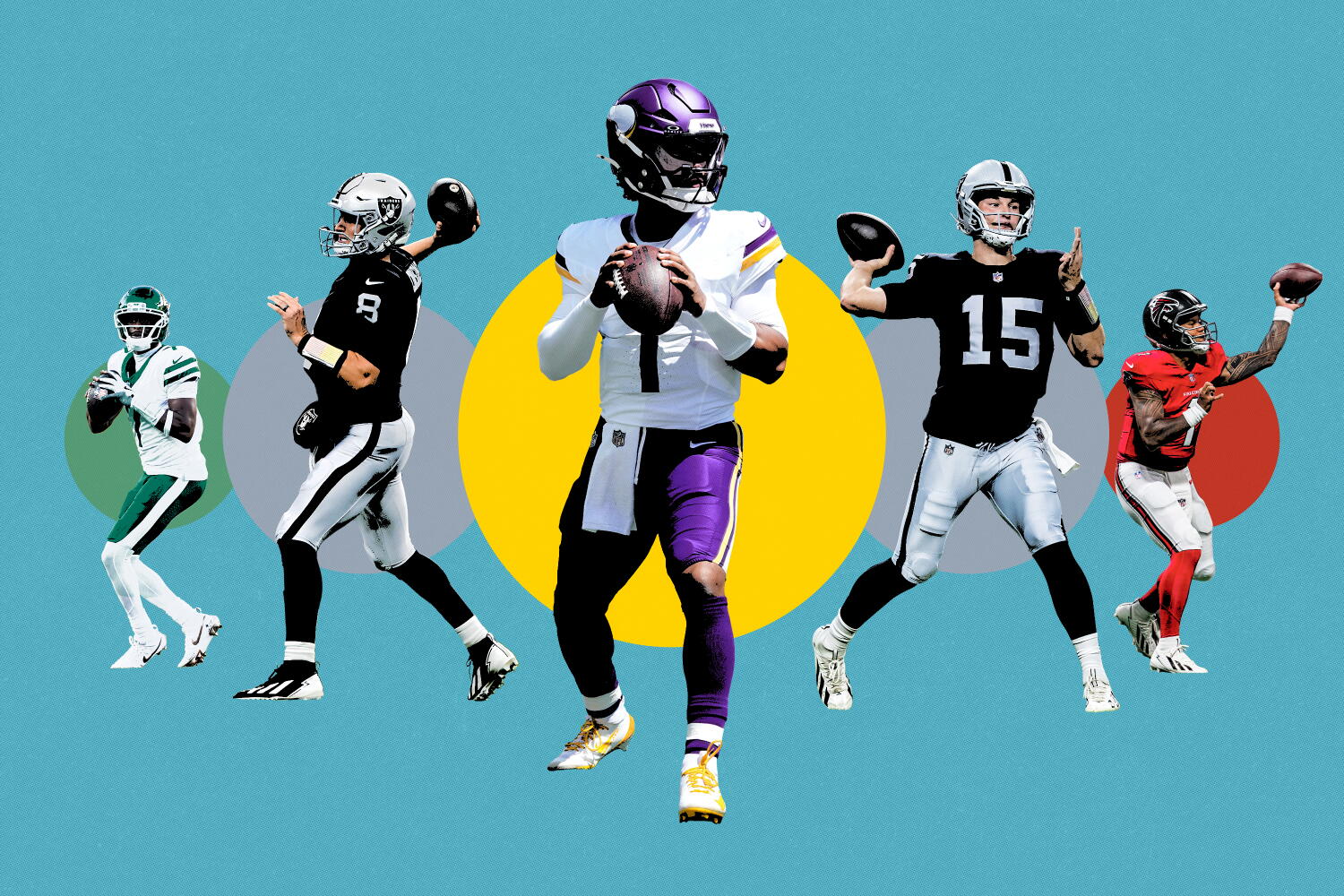
Every single offseason follows the exact same script of desperation. A handful of front offices watch their playoff hopes evaporate, panic sets in, and they immediately dive headfirst into the quarterback market. Half the league tries to buy a quick fix by trading for a high-priced veteran past his prime, while the rest pin their entire multi-year rebuilding plans on an unproven rookie who just ran a heavily scripted college offense.
If you look at how this strategy actually pans out, the results are overwhelmingly grim. Historical data tracking veteran quarterback movement shows that over the last decade, the vast majority of teams bringing in a signal-caller with seven-plus years of experience actually get worse in their very first season together. Yet general managers keep spinning the wheel because admitting you have no immediate answer at the most important position in sports gets you fired. If you found value in this article, you might want to read: this related article.
Let's look at why this cycle repeats and what teams get fundamentally wrong when trying to navigate the modern passer market.
The Illusion of the Plug-and-Play Veteran
The appeal of a veteran bridge quarterback is easy to understand. Owners want seats filled and ticket sales stable, while coaches want someone who can read a complex zone coverage on day one. But renting a veteran usually acts as expensive duct tape on a cracked foundation. For another look on this development, check out the latest update from The Athletic.
When franchises inherit a passer who has already logged a decade elsewhere, they are typically buying declining arm talent, high cap hits, and habits baked into another system. Recent tracking of veteran quarterbacks moving to new franchises highlights how brutal the transition can be, particularly in high-pressure environments. Since 2021, incoming veteran starters playing on the road with their new teams have posted a sub-40 percent success rate against the spread, cratering under the weight of hostile road crowds and unfamiliar playbooks.
Take the salary cap gymnastics required to absorb these contracts. Tying up forty or fifty million dollars in a stopgap player prevents a front office from building a functional roster around them. If your veteran passer needs a pristine pocket and an elite supporting cast to look competent, you don't have a franchise quarterback; you have an expensive dependency.
The Rookie Gamble and the Myth of Instant Saving Grace
On the flip side, banking everything on a rookie class brings its own brand of chaos. The 2026 draft cycle proved once again that evaluation at the position is an educated guess at best. When college prospects are pushed into starting roles before they're mentally or physically ready, development stalls out entirely.
Thrusting a rookie behind a leaky offensive line or expecting them to master NFL-speed disguises right out of the gate destroys confidence. Teams routinely draft a rookie high, fire the head coach two years later because the kid looks lost, and leave the incoming coaching staff with a broken asset they didn't even choose. It is a masterclass in organizational whiplash.
The successful organizations don't just draft a young arm and cross their fingers. They build a stable ecosystem first. Look at how teams like the San Francisco 49ers or Detroit Lions handled their transitions—they prioritized running games, elite protection, and defensive depth before letting their passers settle into manageable roles. If you hand a rookie a dumpster fire of a roster, you're not evaluating his potential; you're actively ruining it.
Recognizing the Sunk Cost Fallacy
The hardest part of the quarterback shuffle is knowing when to cut your losses. Sunk cost bias kills more NFL front offices than bad talent evaluation. If a high-priced veteran or a former first-round draft pick isn't processing the field after two years, doubling down with a reworked contract or a new coordinator rarely changes the underlying reality.
Honesty is rare in professional sports front offices, but pretending a broken solution is working just because you traded significant draft capital for it guarantees mediocrity. Teams must treat the position like any other asset portfolio: evaluate performance objectively, manage the cap space ruthlessly, and refuse to panic-buy just because the media is screaming about a lack of stability.
Stop looking for the magic bullet in March. Build a roster tough enough to win with a competent game-manager, and let the elite quarterback position come to you naturally through careful planning rather than desperate midnight trades.