Jim Cramer leaned forward, his face flushed under the studio lights of Mad Money. The sound effects triggered—a flurry of cash registers ringing, sirens wailing, and the sharp crack of a lightning bolt. It was the "Lightning Round," a high-velocity segment where stock tickers fly across the screen like incoming missiles and decisions are made in fractions of a second. A caller chimed in, asking about a fintech company that has spent years trying to break out of the shadow of traditional banking.
Cramer didn't hesitate. He slammed his hand down. "Buy SoFi," he barked.
To the casual viewer flipping channels on a Tuesday night, it was just another stock recommendation in a sea of financial noise. But beneath that three-second television soundbite lies a quiet, invisible war for the future of how you spend, borrow, and save your money. It is a battle being fought not in marble-clad bank vaults, but inside the glowing screens of smartphones held by millions of exhausted twenty-and-thirty-somethings trying to figure out how to balance rent, student loans, and a dream of eventually owning a home.
To understand why a television personality's sudden endorsement matters, you have to look past the ticker symbol. You have to look at someone like Maya.
Maya is a hypothetical composite of the exact user SoFi has spent hundreds of millions of dollars trying to recruit. She is twenty-six, works in digital marketing, and sits at her kitchen table every Sunday night with a sinking feeling in her chest. On her laptop screen, her financial life is a fractured mess. She has a checking account with a legacy bank that charges her twelve dollars a month just for keeping her account open. She has a student loan managed by a confusing, labyrinthine government servicer. She has a credit card with a high interest rate from a different company entirely, and a tiny investment account she opened during a viral stock craze a few years ago.
Every month, Maya plays financial whack-a-mole. She logs into four different apps, remembers four different passwords, and watches her hard-earned money get chipped away by maintenance fees, transfer delays, and interest payments that feel like running on a treadmill set to an incline.
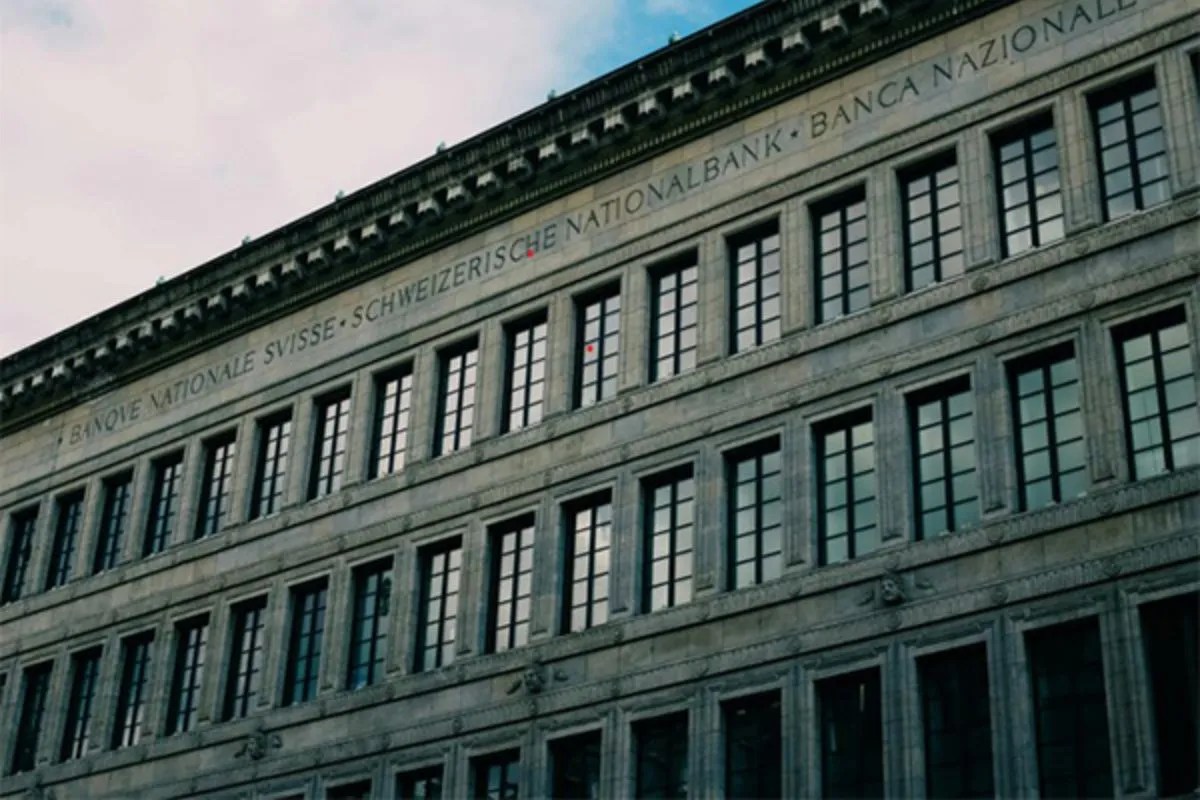
For decades, traditional banks loved customers like Maya. They relied on inertia. They knew that once a person opened a checking account at age eighteen, they rarely left. The friction of moving money, changing direct deposits, and untangling automated bill payments was too high. The big banks grew complacent, hidden behind heavy glass doors and imposing pillars, offering near-zero interest on savings while charging hefty fees for minor mistakes.
Then came the smartphone, and with it, a wave of digital disruptors promising to tear down the old guard.
SoFi started with a hyper-focused mission: refinancing student loans for frustrated graduates. It was a brilliant, emotional wedge. By helping young professionals shed the suffocating weight of high-interest student debt, the company built an intense, almost tribal loyalty. But refinancing loans is a transactional relationship. You do it once, and then you rarely think about the company again.
The real gamble—the shift that caught the attention of Wall Street analysts and television pundits alike—was the transformation of an online lender into a fully licensed national bank.
Consider what happens when a digital platform secures a banking charter. It changes the mechanics of the game entirely. Without a charter, a fintech company is essentially just a pretty interface built on top of an old bank's plumbing. They have to pay a middleman to hold their deposits and clear their transactions. But with a charter, SoFi could cut out the middleman. They could take the money Maya deposits from her paycheck and use it directly to fund the loans they give to other users.
This financial loop allows them to offer high interest rates on savings accounts that make traditional banks look downright stingy. When Maya discovered she could earn over four percent on her savings rather than the insulting 0.01 percent her childhood bank offered, the inertia broke. She moved her direct deposit.
Suddenly, the fractured pieces of her financial life began to coalesce. The app on her phone became a singular dashboard. She could see her paycheck arrive, watch her savings grow via automated "vaults," track her student loan balance, and buy fractional shares of an index fund without switching windows.
This integration is the holy grail of modern consumer finance. It is what industry insiders call the "financial services productivity loop." The concept is simple: if you can convince a customer to trust you with their primary checking account, you can cross-sell them a credit card, a personal loan, an insurance policy, or a mortgage at a fraction of the cost it takes to acquire a new customer from scratch.
But the journey has been anything but smooth. The stock market is a fickle beast, driven by macroeconomics that no single company can control.
When the federal government paused student loan repayments during the pandemic, a massive engine of SoFi's revenue ground to a sudden halt. Critics pounced. Wall Street bears argued that the company was overextended, that its valuation was inflated, and that it would crumble under the weight of rising interest rates. The stock price plummeted from its euphoric highs, leaving retail investors bruised and skeptical. It felt like another overhyped tech promise that burned bright and faded fast.
Yet, behind the tumbling stock chart, a structural shift was happening. The company didn't fold; it adapted. It leaned heavily into its banking tech platform and expanded its personal loan business, proving it could survive even when its foundational product was frozen by federal mandate. When the student loan pause finally lifted, the engine sputtered back to life, but it was now part of a much larger, more diversified machine.
When Jim Cramer tells his audience to buy a stock during a rapid-fire segment, he isn't lecturing on accounting principles or unpacking balance sheets. He is reading the momentum of a narrative. His endorsement is a reflection of a growing realization among retail investors: the thesis of the digital financial supermarket is proving itself to be durable.
There is a deep, inherent risk in all of this, of course. Money is fundamentally emotional. It represents security, freedom, and the hours of our lives we trade to earn it. Handing that over to an algorithm, to an app that has no physical branch you can walk into when things go wrong, requires a massive leap of faith. When a traditional bank stumbles, you can see the building. You can speak to a branch manager. When a digital bank experiences an outage or a glitch, you are left staring at a loading icon on a piece of glass, gripped by a modern flavor of existential panic.
We are living through the awkward, messy adolescence of consumer finance. The old way of banking feels ancient, designed for a world of paper checks and passbooks. The new way is efficient, sleek, and hyper-personalized, but it lacks the weight of centuries of tradition.
The battle lines are drawn not in corporate boardrooms, but at kitchen tables like Maya's. Every time a young worker decides to close an account with a legacy institution and move their financial footprint to a digital ecosystem, the tectonic plates shift a little bit more.
The neon green light of a financial app glowing in a dark room isn't just a UI design choice. It is the new face of financial security for a generation that feels locked out of the traditional systems of wealth creation. Cramer's loud, chaotic television segment is just a noisy echo of a very quiet, very profound revolution happening in the pockets of millions of people who just want their money to work as hard as they do.