The headlines are screaming about "betrayal" and "cowardice." Donald Trump is at the podium again, tearing into NATO allies for refusing to follow the United States into the powder keg of the Strait of Hormuz. The common consensus—the lazy, surface-level take—is that Europe is weak, the alliance is crumbling, and the U.S. is being left to hold the bag for global energy security.
That narrative is wrong. It isn't just slightly off; it misses the fundamental mechanics of modern geopolitical leverage.
Calling NATO "cowards" for staying out of a Persian Gulf skirmish is like calling a poker player a coward for folding a 2-7 offsuit. It’s not fear. It’s math. The real story isn't about military spine; it’s about the fact that the United States is currently obsessed with an outdated 20th-century policing model that the rest of the world has quietly realized is a liability, not an asset.
The Myth of the "Global Policeman" Benefit
For decades, the standard wisdom suggested that if the U.S. Navy secures the sea lanes, everyone wins. We get stable oil prices, and our allies get to sleep under a blanket of American-funded security. Trump’s frustration stems from the idea that this is a service for which the "customers" (NATO) are refusing to pay.
But here is the truth that makes DC think tanks squirm: The U.S. is no longer the primary beneficiary of a stable Strait of Hormuz.
Thanks to the shale revolution, the United States is a net exporter of petroleum. We don't need that oil the way we did in 1991 or 2003. You know who does? China. India. Japan. By demanding that NATO—a North Atlantic organization—pivot to the Middle East to protect energy flows that largely head East, the U.S. is essentially asking its allies to subsidize the energy security of its primary economic rivals.
NATO isn't being cowardly. They are being rational. They see a trap where we see a "moral obligation."
Why the "Strait of Hormuz" is a Logistics Trap
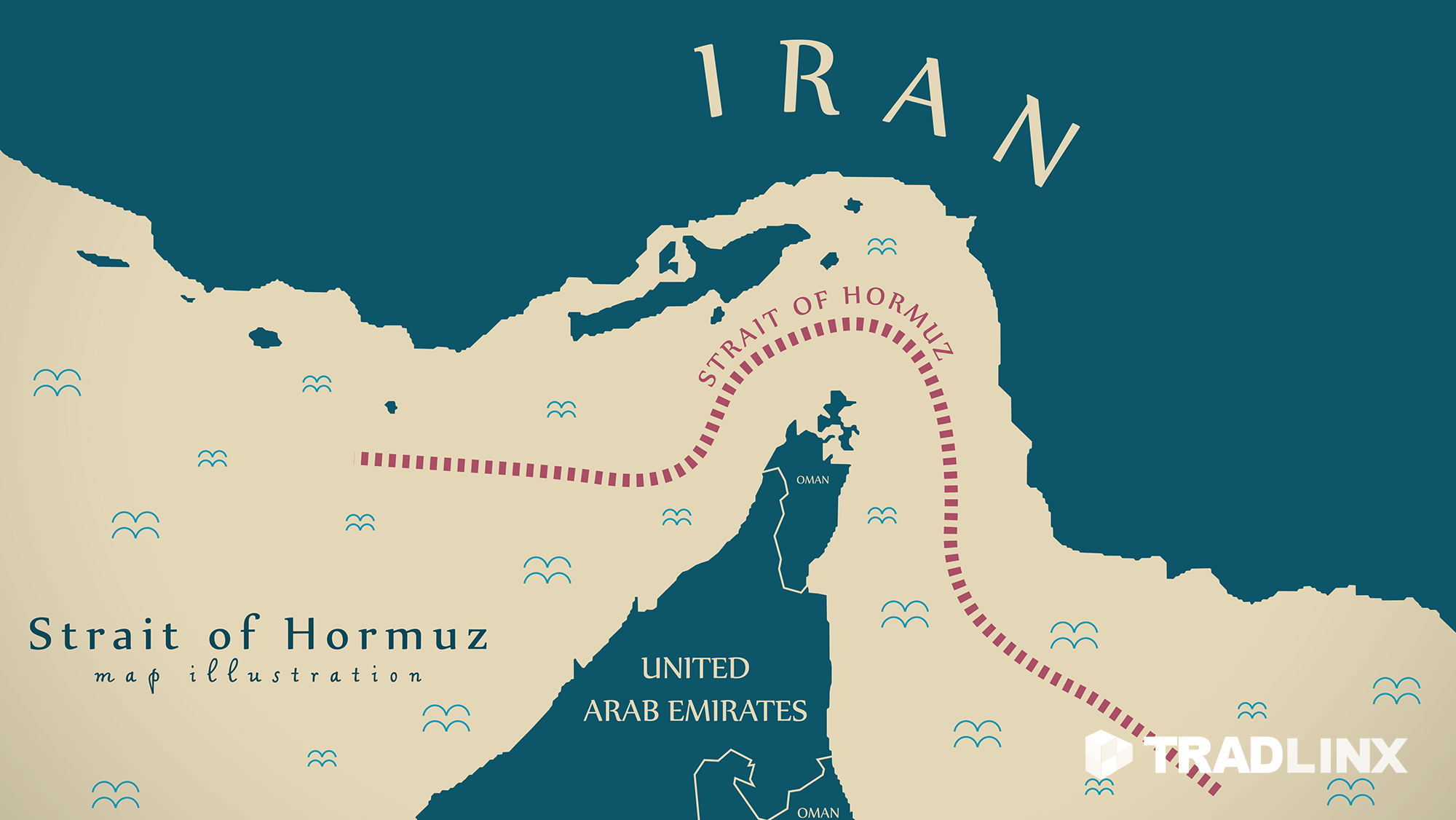
The Strait is 21 miles wide at its narrowest point. It is the definition of a "choke point." In the old manual of arms, you park a carrier strike group nearby and dare anyone to blink. In the modern era of asymmetric warfare, a $13 billion Ford-class carrier is a floating target for a swarm of $20,000 suicide drones and land-based anti-ship missiles.
When Trump labels allies as cowards for not joining a "maritime security mission," he’s asking them to put their limited naval assets into a kill zone for a mission that has no clear exit strategy.
I’ve watched defense contractors salivate over these deployments for years. They love the "presence" missions because they wear out airframes and hulls, necessitating new contracts. But from a strategic standpoint, NATO’s refusal is a masterclass in risk management. By staying out, they avoid:
- Direct Proximity to Escalation: One nervous sonar technician or one stray drone, and you’re in a shooting war with Iran that nobody—literally nobody—has a plan to win.
- Diplomatic Decoupling: Europe still views the JCPOA (the Iran Nuclear Deal) as a viable, if flawed, ghost. Joining a U.S.-led military mission in Iran’s backyard would officially kill any hope of a diplomatic backchannel.
Dismantling the "Fair Share" Fallacy
The "2% of GDP" argument is the favorite cudgel of the current administration. The logic goes: "We spend the most, so you should do what we say."
This ignores the Specialization of Force.
NATO was designed for a specific purpose: the defense of the European continent. When we try to turn a regional defensive pact into a global rapid-response team for American interests in the Middle East, we dilute the effectiveness of the alliance. If Germany or France sends their best frigates to the Persian Gulf, they aren't in the North Sea or the Mediterranean.
The "cowardice" Trump cites is actually a stubborn adherence to the original contract. NATO is saying "No" to mission creep. In any other business context, refusing to pivot away from your core competency into a high-risk, low-reward venture is called "fiduciary responsibility."
The Energy Independence Paradox
We need to address the elephant in the room: The U.S. is acting like it’s still 1973.
Imagine a scenario where the Strait of Hormuz actually closes. Prices spike globally, yes. But the U.S., as a producer, has levers to pull. Europe, which is still trying to decouple from Russian gas while transitioning to renewables, is in a much more precarious spot.
If NATO allies were truly "cowards," they would be begging the U.S. for protection. The fact that they are saying "Pass" suggests they’ve calculated that the cost of an American-led war in the Gulf is higher than the cost of expensive oil. They are choosing market volatility over military quagmire. That’s not weakness; that’s a brutal, cold-blooded assessment of the value of American "leadership."
The Real Winner of This Rhetoric
When the U.S. President calls his own allies cowards on the world stage, he isn't "negotiating a better deal." He is committing a strategic blunder that would get a first-year corporate analyst fired.
He is signaling to every adversary—from Moscow to Tehran—that the fundamental trust of the alliance is gone. He is doing their work for them.
The "cowards" in NATO are watching the U.S. become an unpredictable partner that treats international security like a protection racket. If you tell your partners they are useless long enough, they will eventually decide that they are better off building their own independent capabilities.
We are currently witnessing the birth of "Strategic Autonomy" in Europe. It’s a polite way of saying "We can't trust Washington to not drag us into a vanity war."
Stop Asking if NATO is Weak
The question "Why won't NATO support us?" is the wrong question. It assumes the U.S. is the leader and NATO is the subordinate.
The right question is: "Why is the U.S. still trying to play 1990s geopolitics in a 2026 world?"
We are obsessed with "showing strength" in a region where strength is increasingly measured by how much you can afford to ignore. Iran wants us in the Strait. They want the friction. They want the high-stakes drama that keeps oil prices high and their domestic population distracted.
By refusing to play along, NATO is doing something the U.S. seems incapable of: they are practicing strategic patience.
They aren't cowards. They're just tired of paying for our mistakes.
The U.S. needs to stop looking for followers and start looking for a mirror. If you find yourself in a bar fight and all your friends stay in their seats, it’s time to stop calling them cowards and start wondering why you’re the only one swinging at a ghost.