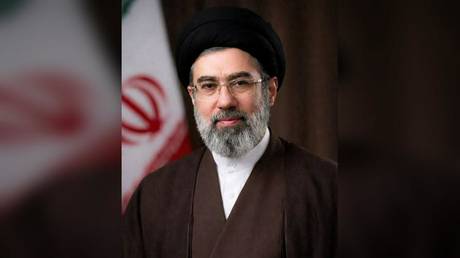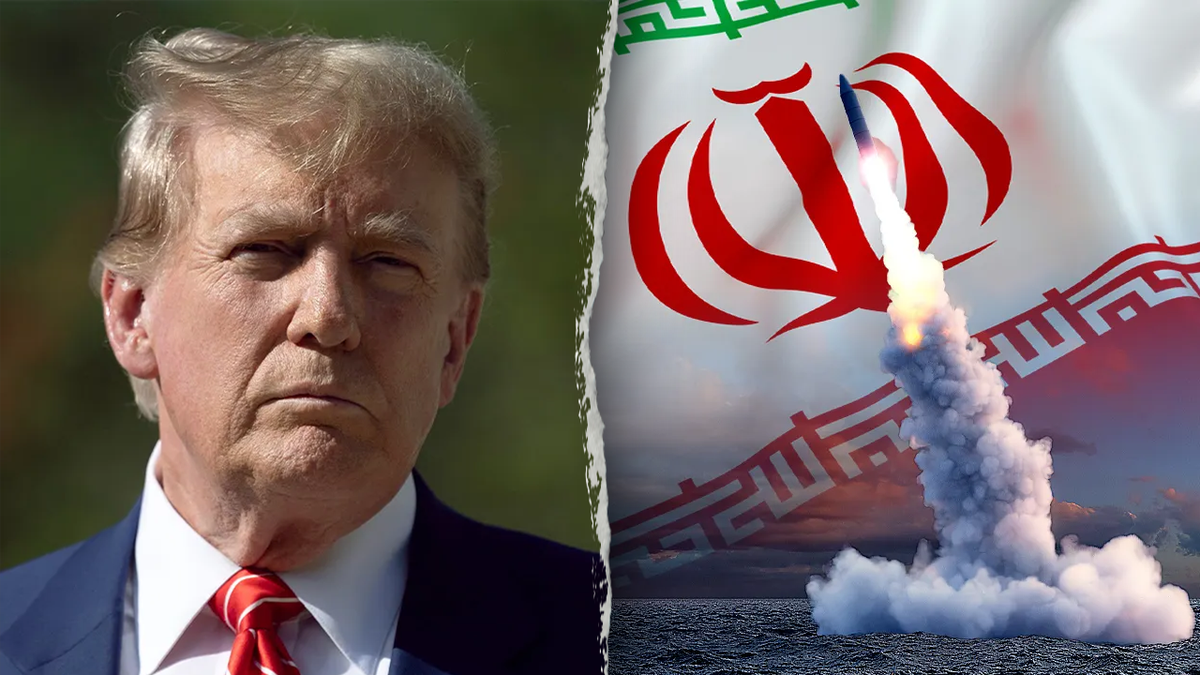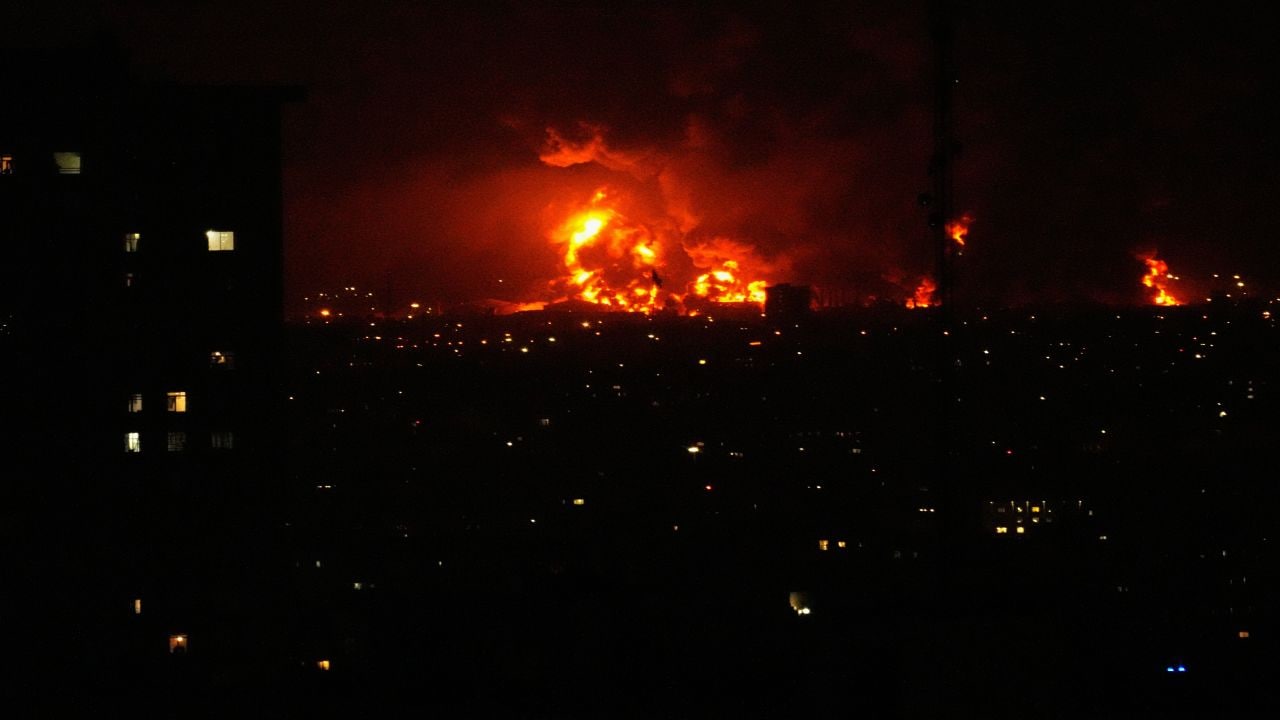
The headlines are screaming about a regional apocalypse. Day 9 of the "direct kinetic confrontation" between Israel, the United States, and Iran has the usual suspects—think tanks, legacy media, and "geopolitical consultants"—tripping over themselves to predict a Third World War. They point to $114 oil, the smoke over Tehran’s Shahran oil depot, and the appointment of Mojtaba Khamenei as proof that the "shadow war" has finally ignited into an unquenchable forest fire.
They are looking at the smoke and missing the mirrors.
What we are witnessing isn't the failure of regional stability. It is the violent, surgical re-engineering of it. For decades, the "lazy consensus" was that Iran was a "rational actor" that could be contained through JCPOA-style diplomacy or "strategic patience." The events of late February and early March 2026 have obliterated that premise. But the counter-intuitive truth is this: the strikes aren't meant to "unleash" chaos; they are a controlled demolition of a 45-year-old revolutionary architecture that had already structuraly failed.
The Succession Trap: Why Mojtaba is a Ghost King
The media is obsessed with the "elevation" of Mojtaba Khamenei following his father’s death in the initial waves of Operation Epic Fury. They frame it as a consolidation of power. In reality, it is a desperate attempt to maintain the illusion of a regime that no longer exists in its previous form.
I’ve spent years watching these power dynamics. When a regime loses its "Supreme" head and its most vital military infrastructure in 72 hours, the appointment of a son isn't a sign of strength—it’s a signal that the inner circle has no other options. The IRGC (Islamic Revolutionary Guard Corps) is not "pledging allegiance" to a leader; they are circling the wagons around a figurehead to prevent a total internal collapse.
The "thought experiment" being peddled by the West—that a "pragmatic" leader will emerge from this rubble—is a fantasy. What we are actually seeing is the birth of "IRGCistan." Power has moved from the clerical elite to a decentralized military junta. This makes the "war" less about Israel and more about the IRGC’s survival against its own population.
The Oil Price "Panic" is a Feature, Not a Bug
Brent crude hitting $114 is being treated as a global catastrophe. It’s not. It’s a market correction for years of ignoring the Strait of Hormuz’s fragility.
- The Reality Check: While 20% of the world's oil passes through the Strait, the global economy in 2026 is vastly more resilient than it was in 1973 or even 2022.
- The Diversion: Notice how the UAE and Saudi Arabia are "intercepting" missiles while simultaneously maintaining their long-term infrastructure. They aren't collapsing; they are testing their billion-dollar defense systems in the world’s most expensive live-fire exercise.
- The Profit: Who benefits from $114 oil? Not just the "shocks" to the system, but the very producers who are supposedly "under threat."
The "force majeure" declared by Bahrain’s state oil company is a legal maneuver, not a sign of total defeat. It allows for the clearing of old contracts to make way for the new, higher-priced reality of a post-Iran Middle East.
The Death of the "Shadow War" Narrative
The most tired trope in the current coverage is that the "Shadow War" has ended. It hasn't ended; it has simply been industrialized.
The use of drone swarms to "bleed" expensive Iron Dome and Patriot batteries isn't a desperate move by Iran. It’s a cold, calculated test of attrition. Conversely, the U.S. and Israel targeting "dual-use" infrastructure—power grids and communication hubs—isn't about "punishing" civilians. It’s about stripping the IRGC of the digital tools it needs to suppress domestic dissent.
The real war isn't happening in the skies over Isfahan. It’s happening in the server rooms and the streets. By taking out the clerical head (Khamenei) and hitting the oil heart (Tehran's refineries), the U.S.-Israeli coalition isn't trying to "conquer" Iran. They are trying to make the IRGC so busy keeping the lights on at home that they can no longer project power through Hezbollah or the Houthis.
The Myth of the "Innocent Bystander" Gulf States
Stop falling for the narrative that the Gulf states are "caught in the middle." Countries like Qatar and the UAE are masters of strategic hedging. While Qatar arrests people for sharing footage of strikes to "maintain public order," they are simultaneously serving as the primary backchannel for the very forces they are publicly condemning.
The "unprecedented" closure of air hubs in Dubai and Doha is a massive inconvenience, yes. But it’s also a reset button. These nations are using this "crisis" to pivot away from the old security guarantees and toward a "Principled Neutrality" that allows them to trade with everyone while being protected by no one—except their own increasingly sophisticated tech-driven militaries.
Why the "Status Quo" is Never Coming Back
The biggest mistake you can make is waiting for a "return to normalcy." The 2026 Iran Conflict is the final nail in the coffin of the post-WWII Middle Eastern order.
- Nuclear Deterrence is Dead: Israel’s strikes on Natanz and other "secret sites" prove that the "red line" was a suggestion, not a law.
- The UN is Irrelevant: Guterres can express "great concern" until he’s blue in the face. The reality is being shaped by F-35s and cyber-payloads, not Security Council resolutions.
- The Information War is Won by the Infrastructure Owners: As Marc Owen Jones rightly points out, whoever owns the means of information—U.S. Big Tech—controls the narrative. The "propaganda" isn't coming from Tehran; it’s being algorithmically filtered before it even hits your screen.
This isn't a war of "Day 9" or "Day 10." It is a multi-year restructuring of global energy and security. If you are waiting for a ceasefire, you are missing the point. The "conflict" is the new business model.
Would you like me to analyze the specific economic impact of the Strait of Hormuz closure on the Indian Ocean trade routes?