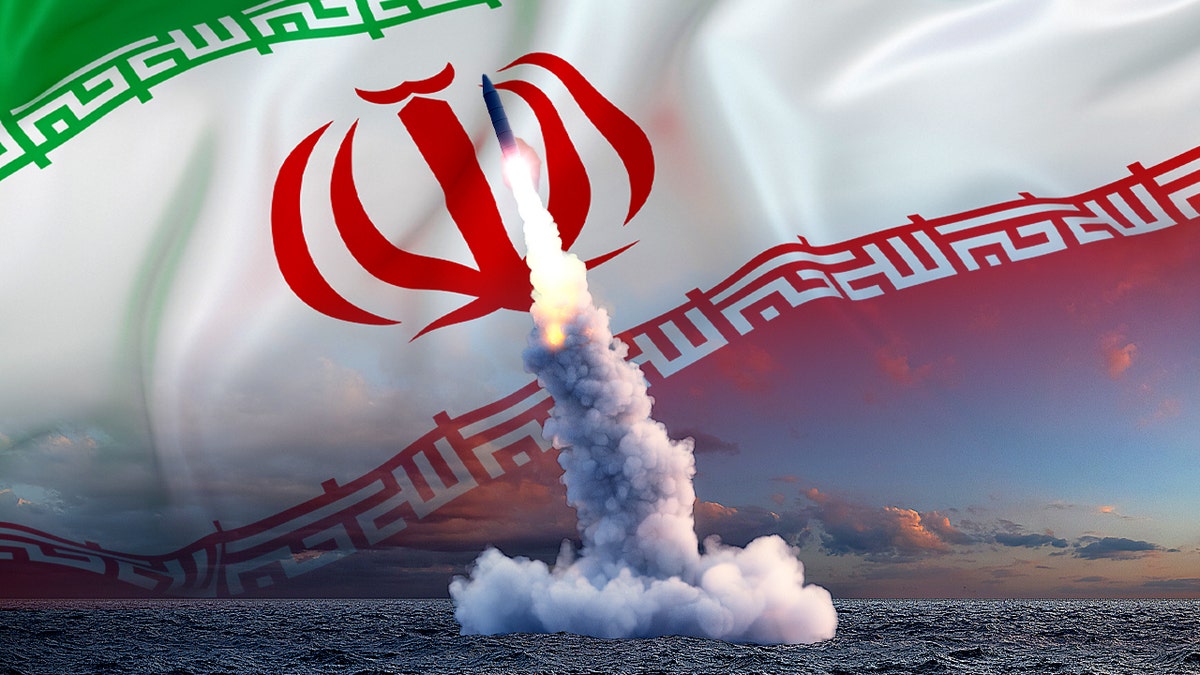
The Strait of Hormuz is not actually closed. While headlines across the globe scream of a total blockade and a world economy on the brink of cardiac arrest, the reality on the water is far more surgical. Since the March 2, 2026, declaration by the Islamic Revolutionary Guard Corps (IRGC) that no "hostile" ships would pass, a new and more dangerous reality has emerged. Iran is not closing the world’s most vital artery; it is seizing the remote control.
More than 20 million barrels of oil and one-fifth of the world’s liquefied natural gas (LNG) pass through these waters every day. If the strait were truly shut, global markets would have already imploded. Instead, the IRGC is implementing what maritime intelligence agencies describe as a "selective vetting regime." This is a high-stakes, digital-age shakedown where ships are filtered by flag, by cargo, and by the political alignment of their owners. It is a transformation from a free-access waterway into a private Iranian toll road.
The Digital Gatekeepers of the Gulf
The IRGC navy is no longer relying solely on the swarms of fast-attack boats that dominated the headlines in decades past. Those boats are still there, but they are now the muscle behind a sophisticated vetting system. Lloyd’s List and other maritime analysts have tracked a "safe corridor" emerging within Iranian territorial waters. Ships that have pre-registered with the IRGC or represent "non-hostile" interests—primarily those from China, Russia, Pakistan, and India—are being granted passage while Western-linked vessels are turned back or harassed.
This vetting process creates a bizarre, bifurcated market. On one side, tankers flagged to "friendly" nations continue to move, albeit with massive insurance premiums and the constant risk of GPS jamming. On the other, the United States and its allies find themselves locked out of a waterway they have policed for seventy years. This isn't just a military blockade. It is a forced restructuring of global trade.
The IRGC’s tactic of GPS spoofing and AIS (Automatic Identification System) manipulation has turned the Gulf into a hall of mirrors. Over 40 vessels have "gone dark" since the conflict began, disabling their transponders to hide their movements. Some are part of Iran's "shadow fleet," moving sanctioned oil to China. Others are desperate commercial operators trying to mask their identity. There are even reports of ships broadcasting fake destinations or claiming "China Owner" in their AIS signals to avoid being targeted.
Why the US Navy Cannot Simply Open the Gate
The Pentagon’s problem is that you cannot shoot a ghost. While the US and Israel have decimated Iran's conventional navy, sinking major frigates like the IRIS Dena, they have not touched the thousands of mobile, land-based missile batteries and drone launch sites scattered along the Iranian coastline. These are the true enforcers of the closure.
Traditional naval escort missions—convoys—are a relic of the 20th century in this environment. A single $20,000 "Shahed" drone or a sub-sonic cruise missile can mission-kill a billion-dollar tanker. The cost of defense is asymmetrical. The US Navy must expend $2 million interceptor missiles to stop $5,000 drones. Even if the Navy clears the water, the insurance companies will not provide coverage as long as the threat of land-based fire remains.
The Inflation Clock is Ticking
Economists at the London School of Economics call Hormuz the "economic clock of war." If the disruption lasts for weeks, it is a manageable price shock. If it lasts for months, it becomes a structural collapse of global growth. The pressure isn't just coming from the gas pump.
- Petrochemicals: Roughly 30% of the world's seaborne exports of liquefied petroleum gas (LPG) come from this region. This is the feedstock for plastics, medical supplies, and electronics.
- Fertilizers: Around 30% of globally traded ammonia-based nitrogen fertilizer is now stranded.
- Food Security: Without these fertilizers, crop yields in major agricultural hubs will plummet by next season, driving up food prices long after the shooting stops.
While Saudi Arabia and the United Arab Emirates have pipelines that bypass the strait, they are insufficient to fill the void. The Saudi Petroline and the UAE’s Habshan-Fujairah pipeline can handle at most 7 million barrels per day. That leaves a structural gap of 13 to 15 million barrels that simply cannot reach the market. There is no plan B for the missing 65% of the Gulf’s output.
The Rise of the Selective Blockade
The most chilling development is the "toll" system. Reliable reports indicate that some tankers have paid fees as high as $2 million to Iranian intermediaries for the "right" to transit safely. This is not piracy in the Somali sense; it is state-sponsored racketeering on a global scale.
By allowing some ships through while blocking others, Iran is forcing the world to choose sides. China continues to receive its energy supplies, giving it a massive competitive advantage over European and American manufacturers who are seeing their energy costs triple. Beijing is effectively being handed the keys to the global petrochemical market while Washington struggles to find a military solution that doesn't trigger a total regional war.
The Myth of Iranian Desperation
The Trump administration’s strategy of "maximum pressure" is based on the idea that Iran is too broke to sustain a long conflict. This ignores the fact that Iran has spent forty years preparing for exactly this scenario. Their "resistance economy" is designed to survive under siege. By controlling the strait, they aren't just protecting their own exports; they are taxing the exports of their neighbors and the energy security of the West.
Every day the "vetting system" remains in place, it becomes more normalized. If Iran successfully establishes a permanent "legal regime" over the strait, the era of freedom of navigation is over. The US may have the largest navy in the world, but in the narrow, cluttered waters of the Gulf, they are discovering that firepower is no substitute for geography.
The world is waiting for a "Suez Canal moment"—a clean reopening of the waterway. But that moment may never come. Instead, we are entering an era of "selective maritime sovereignty," where your ability to trade depends on your relationship with the local gatekeeper. The IRGC has turned the Strait of Hormuz into a high-stakes filter, and right now, the Western world is being filtered out.
Check the current "War Risk" surcharges for Gulf transit with your maritime insurer to see how they are pricing the failure of Western naval protection.