Moscow and Tehran just deepened their military alignment in a way that should alarm defense planners everywhere. Leaked internal documents show that Russia has been quietly steering a multi-year covert operation to help Iran build advanced supersonic cruise missiles.
If you think this is just another standard arms deal, you are missing the bigger picture. This isn't about selling off-the-shelf hardware. It is a direct transfer of high-end engineering know-how designed to close Tehran's most glaring military gaps.
Inside Program C430L
The covert initiative operates under the cryptonym C430L. Records indicate it kicked off quietly in 2023. It was engineered through Russia's state arms exporter, Rosoboronexport, alongside the sanctioned missile manufacturer NPO Mashinostroyenia.
The primary objective? Perfecting a ramjet propulsion system.
Standard subsonic cruise missiles fly low, but they take their time getting there. A ramjet-powered missile changes the math entirely. It breathes atmospheric air to sustain flight at multiple times the speed of sound while hugging the waves. That combination of blistering velocity and low-altitude flight gives modern naval defense systems barely any reaction window.
Senior Russian propulsion specialists, including chief designers and patent holders for supersonic engines, traveled repeatedly to Iran. They didn't just drop off blueprints. They analyzed flight test data, reviewed combustion stability metrics, and fine-tuned fuel delivery systems alongside Iranian engineers. Correspondence shows these technical consultations pushed right through the recent regional conflicts, proving that mounting international pressure only binds these two capitals closer together.
Why US Warships Are the Ultimate Target
Iran has spent decades mastering ballistic missiles, but building a reliable supersonic cruise missile remained an elusive engineering hurdle. Ramjets are notoriously difficult to design. One miscalculation in the air intake or thermal management destroys the engine mid-flight.
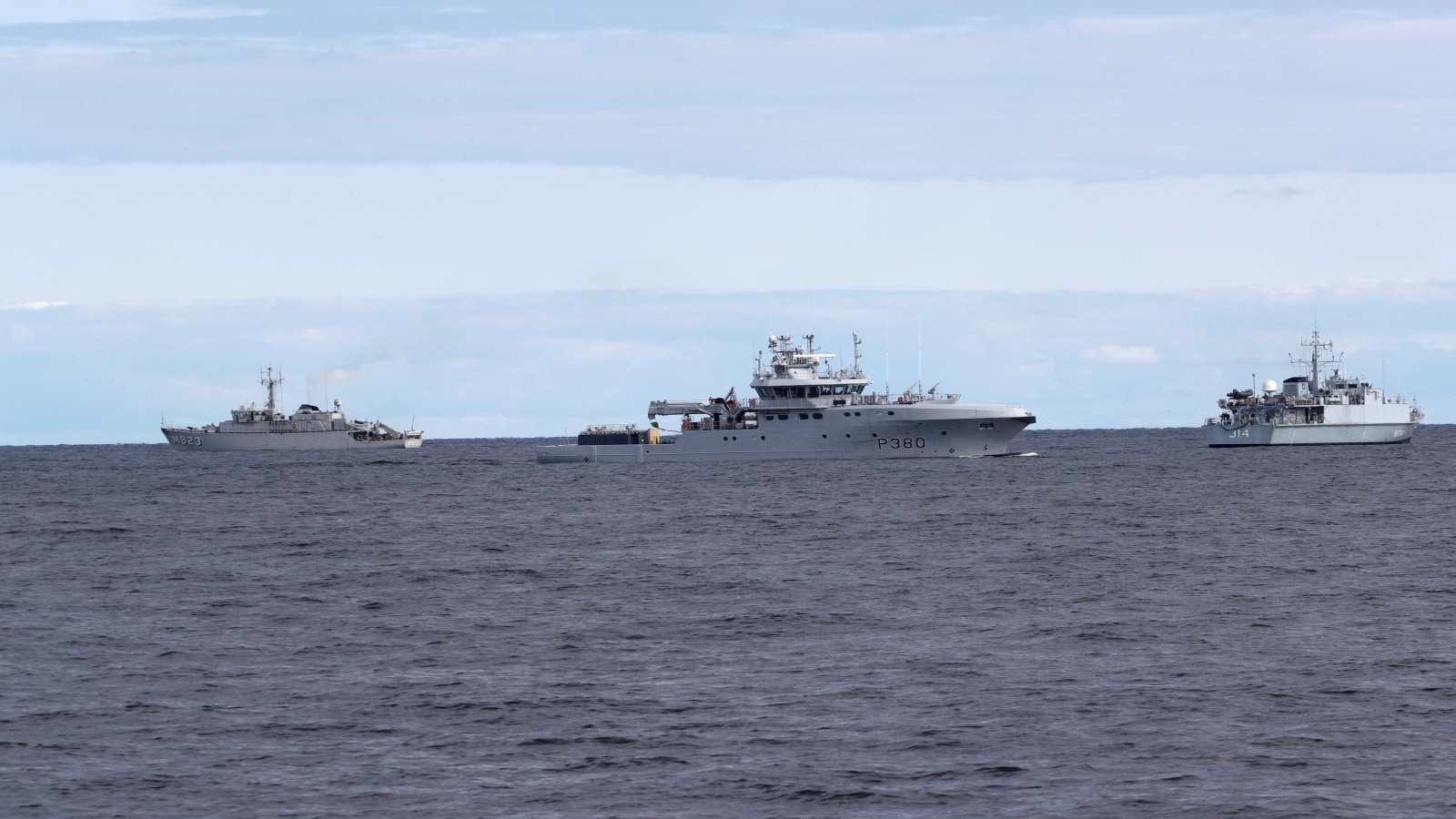
By plugging this technological hole, Moscow is giving Tehran a qualitative upgrade. Analysts note that these systems are tailor-made for anti-ship roles. For American carrier strike groups operating in the Persian Gulf and the broader Middle East, a fast, low-flying cruise missile presents an entirely different class of threat compared to traditional ballistic arcs. It turns regional waters into a much more hazardous zone for naval deployments.
The Quid Pro Quo Logic
This technology transfer doesn't happen in a vacuum. It is part of a transactional escalation. Tehran previously supplied Moscow with thousands of Shahed kamikaze drones, helping the Kremlin sustain its long attrition campaign in Ukraine. Iran even assisted in setting up domestic drone manufacturing plants inside Russian borders.
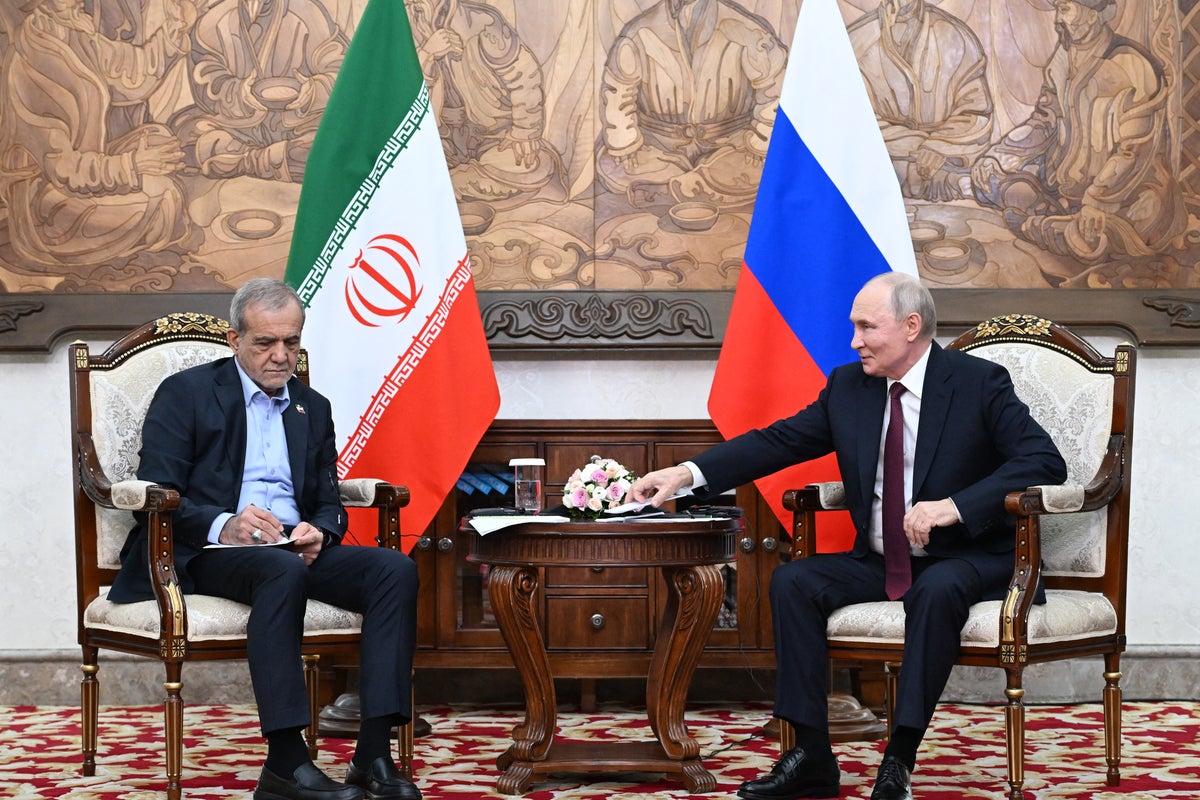
Now, the ledger is balancing out. Western intelligence agencies have repeatedly accused Moscow of returning the favor with battlefield intelligence, satellite imagery, and now, critical propulsion engineering. When top-tier strategic assets like supersonic missile designs change hands, it signals that geopolitical alliances have shifted from casual cooperation to deep, institutional integration.
The cooperation shows no signs of slowing down. As long as both nations face heavy Western sanctions and active conflicts with allied forces, technical barriers between them will keep falling.