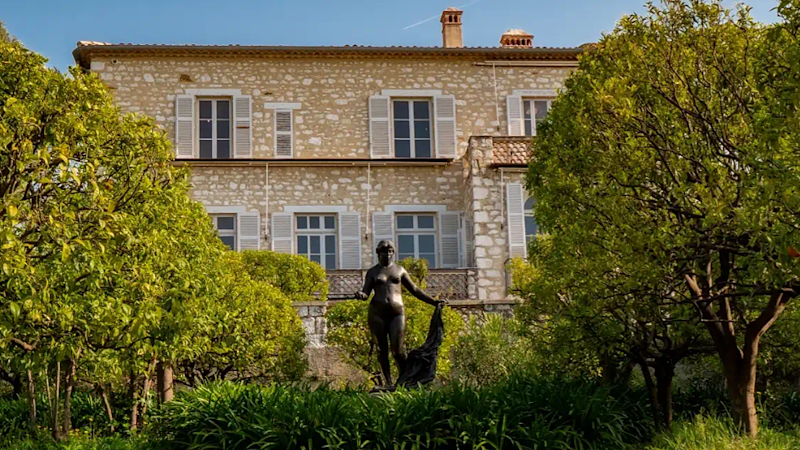
The collective mourning over Monty Don supposedly hanging up his trowel is nothing more than nostalgic sentimentality masking a profound lack of imagination. Every time a legacy broadcaster hints at stepping away from a flagship format, the comment sections fill with hand-wringing about the end of an era. Let us be entirely clear. The man has done wonders for ratings, but the cult of personality built around a single gardener has held British horticulture hostage for two decades.
We have treated Gardeners' World like a museum exhibit preserved under glass, terrified to let fresh air into the greenhouse because a cardigan-clad patriarch is no longer holding the shears. That dependency is lethal to innovation.
The Myth of the Irreplaceable Anchor
The lazy consensus in media circles assumes that a program is defined by its frontman. Remove the frontman, the thesis goes, and the foundation crumbles. This logic treats viewers like toddlers who will refuse to eat unless the familiar spoon is presented by a specific hand.
I have watched production budgets squandered and creative risks suffocated across television and media platforms simply because executives were too cowardly to challenge the premise that one person embodies an entire industry. Monty Don is a talented plantsman, but he is not the Vatican.
"We confuse the messenger with the message, assuming that dirt only grows flowers if a particular voice narrates the seeding."
By tethering the national gardening conversation to Longmeadow, we spent twenty years looking through the keyhole of one affluent, traditional, organic English garden. That narrow focus ignored the reality of modern growing. It bypassed urban container gardening, balcony guerrilla tactics, apartment hydroponics, and the multicultural patchwork of community plots that actually reflect how people cultivate green spaces today.
Why the Status Quo Was Failing the Next Generation
When television insists on a singular aesthetic—measured, leisurely, aristocratic, and deeply English country-house adjacent—it alienates the exact demographic it needs to survive. The average age of a traditional gardening show viewer crept upward year after year, not because young people hate soil, but because they could not see themselves in an idealized pastoral fantasy that requires a massive plot of land and inherited wealth.
Let us look at the mechanics of what a departure forces. Stagnation is the default setting of legacy television. Without a shakeup at the top, commissioning editors default to safe choices: more herbaceous borders, more soulful looks at golden retrievers trotting behind a wheelbarrow, and more gentle pronouncements about pruning roses in November.
A transition breaks the trance. It forces the BBC to look outward at regional experts, younger horticulturists, and practitioners who treat growing not as a meditative middle-class hobby, but as an urgent ecological necessity.
The Counter-Intuitive Truth About Format Fatigue
Critics argue that losing the primary anchor will shatter the cozy ritual of Friday night viewing. They miss the point entirely. Cozy has morphed into stagnant.
Imagine a scenario where the show fractures into a rotating ensemble of specialists. One week features an urban rooftop pioneer in Manchester. The next highlights an allotment holder in Cardiff tackling soil remediation on industrial clay. The diversity of approach destroys the monoculture of taste that Don's era inadvertently enforced.
Sure, the purists will complain. Some viewers want their television to act as a sedative rather than a provocation. But if your medium cannot survive the exit of a host, you do not have a culture; you have a personality cult.
Step away from the gate. Let the weeds grow through the gravel. The garden will be better for it.