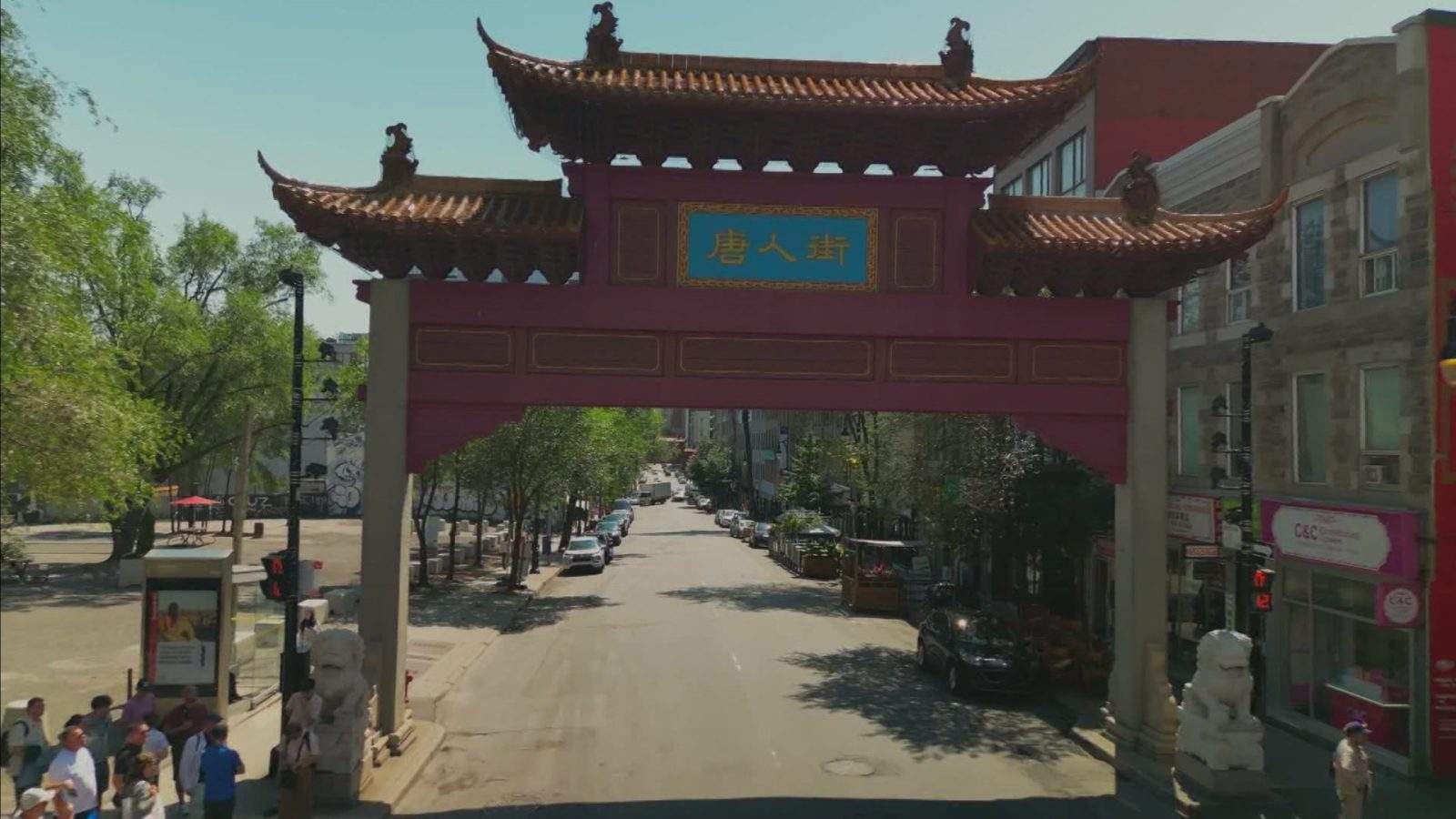
Everyone loves a good corporate and municipal rescue story. Handshakes in front of neon archways, press releases dripping with words like revitalization, and city council members posing with local merchants while high-fiving themselves over a freshly funded committee. It makes for great evening news. It generates plenty of feverish optimism.
It is also entirely killing Montreal’s Chinatown.
Strip away the political theater, and the standard narrative about saving this historic neighborhood relies on a lazy consensus. The assumption goes like this: Chinatown is fragile, culturally priceless, and currently under siege by developers. Therefore, the neighborhood needs bureaucratic oversight, civic grants, historic zoning buffers, and top-down municipal rescue missions to preserve its identity.
I have watched civic leaders blow millions of dollars on cultural preservation theater while strangling the actual economic engine that keeps immigrant enclaves alive. Chinatown does not need a savior from City Hall. It needs city planners to stop touching it.
The Myth of State-Sponsored Cultural Preservation
Let us look at the mechanics of how municipal governments supposedly protect heritage neighborhoods. They freeze heights. They mandate architectural aesthetics. They create heritage committees made up of bureaucrats who have never run a dim sum restaurant or managed a corner grocery store in their lives.
The rationale sounds protective. The reality is lethal.
When you artificially freeze a neighborhood under the guise of historic preservation, you lock it in amber. You create a regulatory fortress that makes organic commercial adaptation nearly impossible. Real estate values in downtown Montreal do not care about cultural nostalgia. Property taxes go up. Commercial rents climb. But if you restrict what property owners can build, renovate, or densify, you destroy the math required for small businesses to survive.
Municipal grants and heritage subsidies are band-aids on a gushing wound. A fifty-thousand-dollar city grant for a storefront facelift does nothing when the underlying property tax assessment doubles because the city suddenly decides the block is a trendy cultural zone. It is a shell game. The government takes money from businesses through taxes and red tape, pats itself on the back for returning a fraction of it through a slow, humiliating grant application process, and calls it revitalization.
Density is Not the Enemy of Heritage
The lazy consensus treats modern high-rises and commercial towers as an existential threat to Chinatown. Look at the perimeter of the neighborhood, where condo developments have risen over the last decade. Activists routinely sound the alarm about cultural erasure, shadow casting, and the loss of historical character.
They have it backward.
Chinatown is geographically tiny. It is squeezed between the sprawling concrete expanse of Complexe Desjardins, the Palais des congrès, and the relentless eastward march of downtown Montreal. Because it cannot expand outward, it must either intensify upward or suffocate.
Historic enclaves survive not because they remain untouched museum pieces, but because they are densely populated hubs of economic activity. When you restrict residential density around and within Chinatown, you starve local merchants of foot traffic. You push residents further into the suburbs, replacing a vibrant, hyper-local consumer base with occasional weekend tourists who buy a bubble tea and leave without sustaining the butcher shops, herbalists, and bakeries that form the neighborhood's daily backbone.
Stop trying to protect Chinatown from development. Start protecting it from stagnation. The most resilient ethnic enclaves in North America are those that integrated vertical density decades ago, turning ground-floor retail into cultural anchors beneath thousands of units of housing.
The Zoning Trap and the Death of the Mom-and-Pop Lease
Let us talk about the real enemy of Montreal’s Chinatown: hyper-restrictive commercial zoning and archaic municipal permitting processes.
If you want to open a new restaurant or retail shop in Chinatown today, you do not just rent a space and start cooking. You enter a labyrinth of municipal code enforcement, heritage sign bylaws, and bureaucratic friction that can stall a business launch for twelve to eighteen months. Large corporate chains with venture capital backing can absorb a year of paying rent on a closed storefront while waiting for city inspectors to sign off on a grease trap. A family-run dumpling house cannot.
When cities make it painfully expensive and slow to open a business, they kill independent entrepreneurship. They clear the field for whoever has the deepest pockets or the most aggressive institutional backing. Ironically, the very policies designed to keep Chinatown authentic end up pricing out the exact immigrant operators who defined that authenticity in the first place.
I have seen countless grassroots business owners walk away from viable storefronts in Montreal simply because the city treated a minor interior renovation like a cathedral restoration project. The cost of compliance is the highest tax of all, and it is levied entirely against the people least able to pay it.
Why the Tourism Focus is a Dead End
Another pillar of the standard revitalization playbook is the push to turn Chinatown into a tourist attraction. Pedestrian zones, cultural festivals, neon archways, and heritage walking tours are rolled out as proof of economic vitality.
Tourists are fickle. They do not sustain grocery stores on a Tuesday morning in November. They do not buy household goods, pay for local accounting services, or rent apartments above the shops. When a neighborhood's economic strategy shifts from serving a resident community to entertaining weekend visitors, the retail mix shifts accordingly. Hardware stores and bakeries vanish. Souvenir shops and Instagram-bait dessert bars take their place.
That is not revitalization. That is taxidermy. You are stuffing the animal and propping it up in a glass case so people can take pictures of it, while the life drains out of the inside.
A healthy Chinatown does not need to perform its culture for tourists. It needs to be an efficient, functional, dense urban neighborhood where people live, work, do business, and raise families.
The Contrarian Playbook: What Actually Works
If we want Montreal’s Chinatown to thrive over the next fifty years instead of slowly dying beneath a mountain of well-meaning municipal bureaucracy, we need to do the exact opposite of what the urban planners are currently doing.
First, slash the permitting timeline. If a business owner wants to open a shop in an existing commercial space, municipal approval should take weeks, not quarters. Lower the barrier to entry for independent operators.
Second, rezone for smart vertical integration. Allow property owners within and immediately adjacent to the traditional boundaries to build mixed-use residential towers. More residents overhead means a captive, everyday consumer market for the businesses downstairs. Density creates community resilience.
Third, get the city out of the real estate speculation business. Stop using public funds to orchestrate top-down cultural branding campaigns. Instead, reform commercial property taxation so that long-term small businesses are shielded from speculative tax spikes triggered by downtown gentrification.
Chinatown survived for over a century through grit, entrepreneurial hustle, and community self-reliance—not because a municipal committee wrote a strategic report about it. Give the neighborhood back to the people who actually run it, clear away the regulatory barbed wire, and watch what happens when you stop trying to save it.