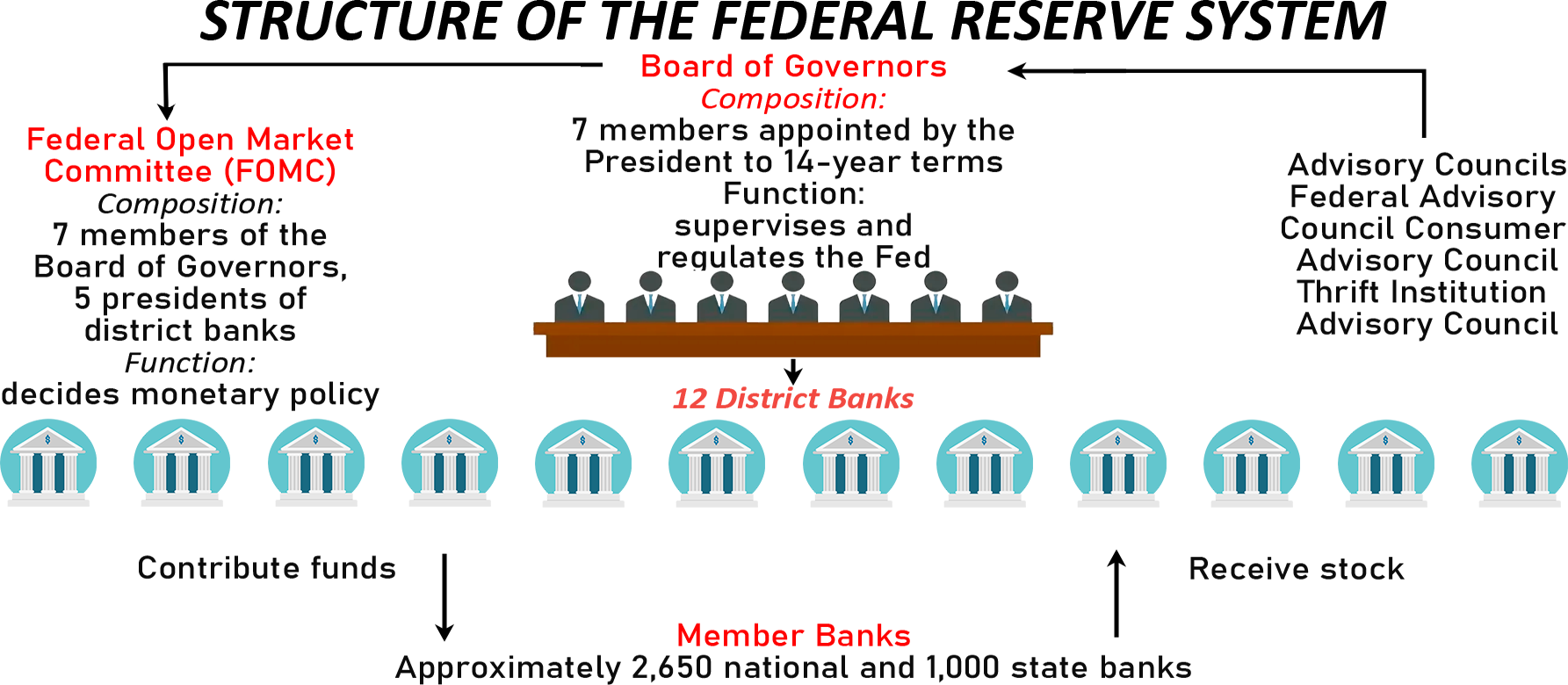
The modern central bank operates within a fragile equilibrium, balancing macroeconomic stability against an increasingly volatile political apparatus. When fiscal expansion collides with monetary tightening, the friction manifests directly in market pricing, yield curve dynamics, and institutional credibility. The proposition that a specific policymaker's reputation hangs in the balance during a high-pressure rate cycle is a symptom of a deeper structural malady. Central bank credibility is not an individual asset held by an appointee; it is an institutional reserve currency earned through policy consistency and depleted by perceived subservience to executive priorities.
To deconstruct the mechanics of political pressure on monetary authorities during inflationary or contractionary cycles, we must abandon superficial narratives of personality clashes and analyze the underlying economic transmission channels. This requires mapping the dual mandates, the yield curve response function, and the structural cost of compromised independence.
The Dual Mandate Friction Matrix
Central banks tasked with price stability and maximum employment face an inherent operational contradiction when fiscal policy expands concurrently with tight monetary policy. In an environment where executive administrations push for aggressive fiscal stimulus—through infrastructure spending, subsidies, or tax adjustments—aggregate demand receives an artificial upward jolt.
When aggregate demand outpaces potential output, inflation expectations unanchor. The monetary authority's response function dictates an increase in the federal funds rate to cool economic velocity. However, this creates a direct antagonism with political leadership, which evaluates economic health through the short-term lens of electoral cycles and employment growth figures.
The friction operates across three distinct vectors:
Fiscal Dominance Over Monetary Transmission: When government debt issuance scales rapidly to finance structural deficits, the sheer volume of sovereign paper floods the market. If the central bank attempts to drain liquidity via quantitative tightening while the Treasury is simultaneously issuing massive quantities of debt, a structural supply-demand imbalance occurs in the secondary market.
The Term Premium Re-Pricing: Markets continuously evaluate the probability of fiscal dominance—the scenario where monetary policy is ultimately subordinated to government debt servicing needs. As political pressure mounts on central bankers to halt rate hikes or initiate premature cuts, bond vigilantes demand a higher term premium to compensate for the long-term risk of currency devaluation and suppressed real yields.
Signaling Distortion: When public commentary from executive officials attempts to direct monetary policy decisions, market participants must price in the probability of institutional capture. This uncertainty increases volatility across interest rate swaps and Eurodollar futures, effectively tightening financial conditions through erratic risk premiums rather than predictable policy rates.
The Cost Function of Compromised Independence
Institutional independence is not an abstract bureaucratic preference; it is a mathematical variance-reduction tool for long-term inflation outcomes. Cross-country empirical data spanning decades demonstrates that central banks with high operational autonomy achieve lower average inflation rates without sacrificing long-term output growth.
When political interference breaches the firewall of independence, the cost function shifts abruptly:
The Short-Term Gain: Pausing rate hikes or cutting rates prematurely under political duress provides an immediate, transient boost to asset prices and interest-sensitive sectors like real estate and consumer credit.
The Long-Term Penalty: The sacrifice ratio—the amount of lost output required to reduce inflation by one percentage point—increases significantly. Because market participants lose faith in the central bank's inflation-fighting resolve, inflation expectations become persistent. Consequently, the central bank is eventually forced to execute a far more violent, economically destructive tightening cycle later to regain control of the price level.
This dynamic explains why market scrutiny focuses intensely on key officials during periods of policy inflection. The question is never merely whether a rate hike will occur at a specific Federal Open Market Committee meeting. The fundamental inquiry is whether the institution retains the structural fortitude to impose pain on the economy when political incentives dictate immediate relief.
Yield Curve Mechanics Under Political Stress
The transmission of political pressure into financial markets is most visible in the slope and behavior of the yield curve. Under normal conditions, a rising policy rate flattens or inverts the curve as short-term rates eclipse long-term expectations. However, when credibility is contested, a parallel shift or a bear steepening can occur.
If investors suspect that political pressure will force the central bank to monetize debt or cut rates before inflation is structurally subdued, long-term bond yields spike. Investors demand compensation for the terminal inflation rate rather than the current headline figure. This phenomenon breaks the traditional transmission mechanism. The central bank loses control over long-term borrowing costs, which are the primary drivers of corporate capital expenditure and mortgage markets.
Consider the mechanical sequence:
- Executive pressure intensifies for monetary easing to lower borrowing costs.
- Markets interpret this pressure as an erosion of anti-inflationary commitment.
- Long-term inflation risk premium expands, driving 10-year and 30-year Treasury yields higher regardless of short-term rate holds.
- Financing costs for corporations and consumers increase despite the central bank attempting to signal accommodation.
This paradox illustrates the futility of political intervention in monetary mechanics. Attempts to force lower rates via executive signaling often produce higher long-term market rates due to the destruction of credibility premiums.
Strategic Execution and Market Navigation
For institutional allocators and risk managers, navigating an environment characterized by friction between fiscal expansion and monetary tightening requires moving past headline-chasing commentary. The analytical focus must center on hard liquidity metrics and structural indicators.
Portfolio construction under these conditions demands decoupling from traditional asset correlations. When monetary authority credibility is variable, equity valuations must be adjusted for higher discount rates driven by term premium expansion rather than just nominal risk-free rates. Fixed income duration must be managed defensively, as the traditional hedge properties of long-duration Treasuries break down during episodes of fiscal dominance fears.
The ultimate resolution to these pressures depends entirely on institutional resilience. The defense of price stability requires maintaining high real rates until velocity indicators confirm that inflationary impulses are structurally neutralized, regardless of short-term political friction.