The Republican National Committee’s (RNC) pivot toward a 2026 "midterm convention" represents a fundamental restructuring of modern American campaign mechanics. Historically, the party in control of the White House faces a structural disadvantage during midterm cycles, often referred to as the "midterm penalty." By amending its bylaws in January 2026 to authorize a special ceremonial convention, the RNC is attempting to neutralize this historical decay through a high-density media event designed to synchronize national messaging with state-level ground operations.
The strategy functions through three primary operational pillars: narrative synchronization, demographic anchoring, and logistical mobilization.
Narrative Synchronization and the Incumbency Advantage
Traditional midterm cycles suffer from a "dilution of message." Without a top-of-ticket presidential candidate, local congressional races often pivot to hyper-local issues, making it difficult for the national party to maintain a cohesive ideological front. The 2026 midterm convention is engineered to solve this through a centralized programming block that forces a national referendum on the administration's specific policy victories.
By timing the convention for early fall—likely September 2026—the RNC creates a "springboard effect." This serves as a secondary launch for the final 60-day sprint to November 3, 2026. The convention acts as a forcing function for the media, shifting the coverage from a collection of 435 disparate House races and 35 Senate contests into a unified national story. This centralized messaging is critical as Republicans defend a razor-thin House majority and aim to protect their Senate control, which was bolstered by 2024 flips.
Strategic Geographies: The Selection Logic
The selection of a host city is not a matter of hospitality but of geographic tactical advantage. Current internal deliberations focus on Las Vegas, Nevada, and Dallas, Texas, with Phoenix, Arizona, as a high-priority secondary option. Each location serves a specific function in the GOP’s 2026 electoral map.
The Nevada/Arizona Pivot (The Swing State Anchor)
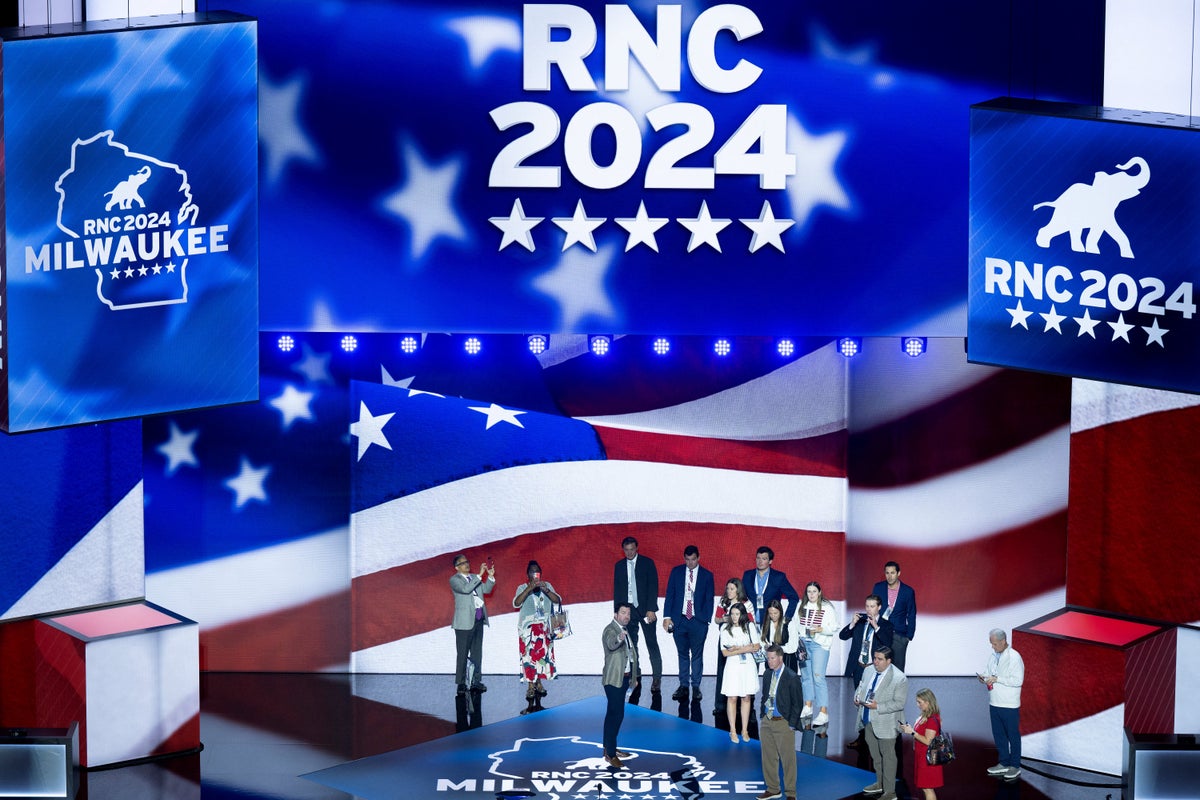
Las Vegas offers a high-utility environment for targeting two critical demographics: Hispanic voters and "service-class" workers. Nevada’s three Democrat-held House seats are priority targets for the RNC. Hosting the convention in Las Vegas provides a localized "bounce" in polling and volunteer recruitment, similar to the 2024 Milwaukee convention's impact on Wisconsin.
In Phoenix, the RNC would prioritize the "border and inflation" narrative. Arizona remains a central battleground for Senate Class 2 seats and gubernatorial control. A convention here would allow the party to physically manifest its policy arguments regarding border security at the geographic epicenter of the issue.
The Texas/Michigan Defensive Play (The Base and the Blue Wall)
Dallas serves a different functional requirement. While Texas is a Republican stronghold, the RNC is focused on mid-decade redistricting gains. New congressional maps in Texas could net the party several seats, and a Dallas-based convention would consolidate the donor class and verify the shift toward Latino voters in the Rio Grande Valley. Conversely, Detroit represents a "hostile territory" strategy, aiming to erode the Democratic "Blue Wall" by showcasing economic populism in a historically industrial hub.
Logistical Economics and the 120th Congress
A midterm convention introduces a significant logistical bottleneck. Unlike presidential conventions planned years in advance, the 2026 event is moving on a compressed seven-month timeline. This creates a supply-side constraint on high-end hotel inventory and venue availability.
- Capacity Requirements: The convention expects to draw approximately 10,000 peak-night hotel room bookings.
- Contractual Risks: Existing non-political conventions scheduled for late summer 2026 in Las Vegas or Dallas face potential displacement or "bumping" clauses, creating friction with local tourism bureaus.
- Capital Allocation: Funding a midterm convention requires a massive diversion of RNC capital. The party must weigh the media value of the convention against the direct-to-candidate "Get Out The Vote" (GOTV) spending in swing districts.
The Cost Function of Midterm Mobilization
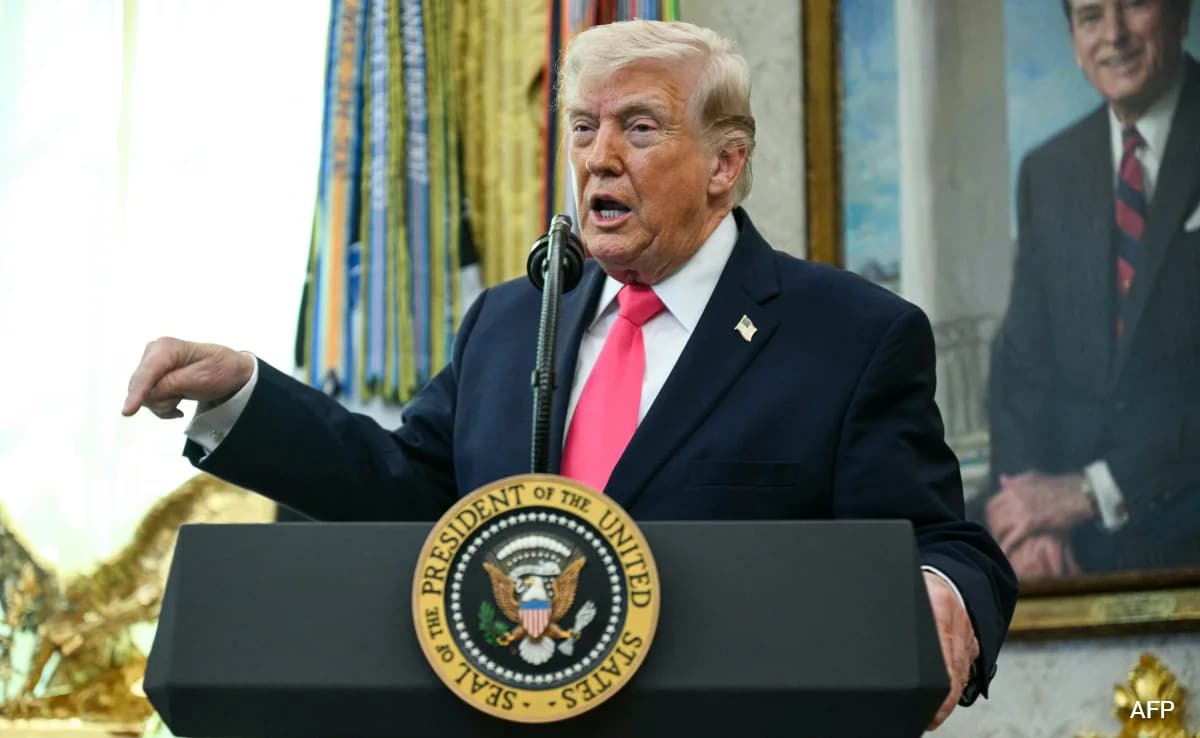
The effectiveness of this convention depends on its ability to overcome the "referendum trap." Midterms typically function as a vote against the incumbent. To reverse this, the RNC is deploying a "Trump-a-palooza" model, utilizing the President as the primary messenger to maintain high turnout among the base while using the convention’s stage to moderate the message for suburban voters.
This strategy carries an inherent risk: nationalizing the election can occasionally backfire by mobilizing the opposition's base with equal intensity. The RNC's gamble is that the media dominance of a convention will outweigh the risks of increased Democratic turnout.
The RNC must finalize the host city selection by the end of April 2026 to ensure the logistical infrastructure—security, housing, and broadcast tech—can be established before the September window. Delaying the announcement beyond this point will exponentially increase the cost of venue procurement and risk a fragmented rollout of the fall campaign theme.