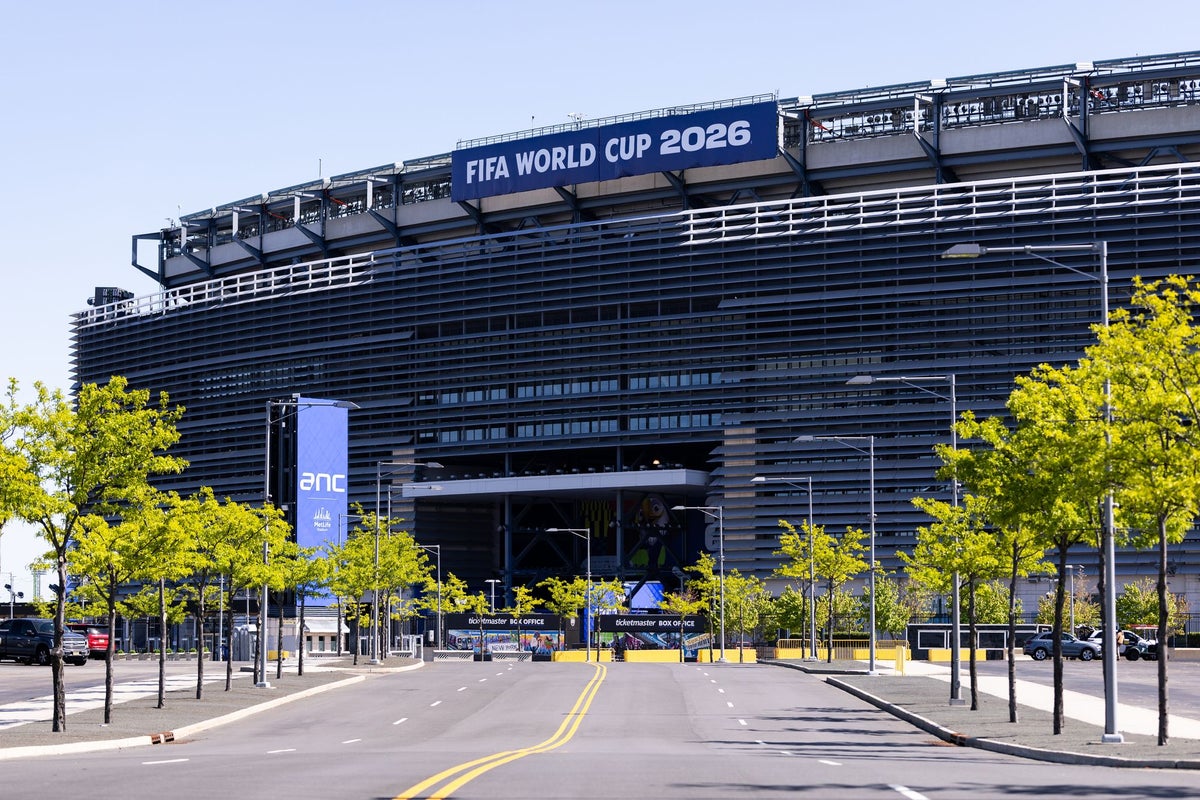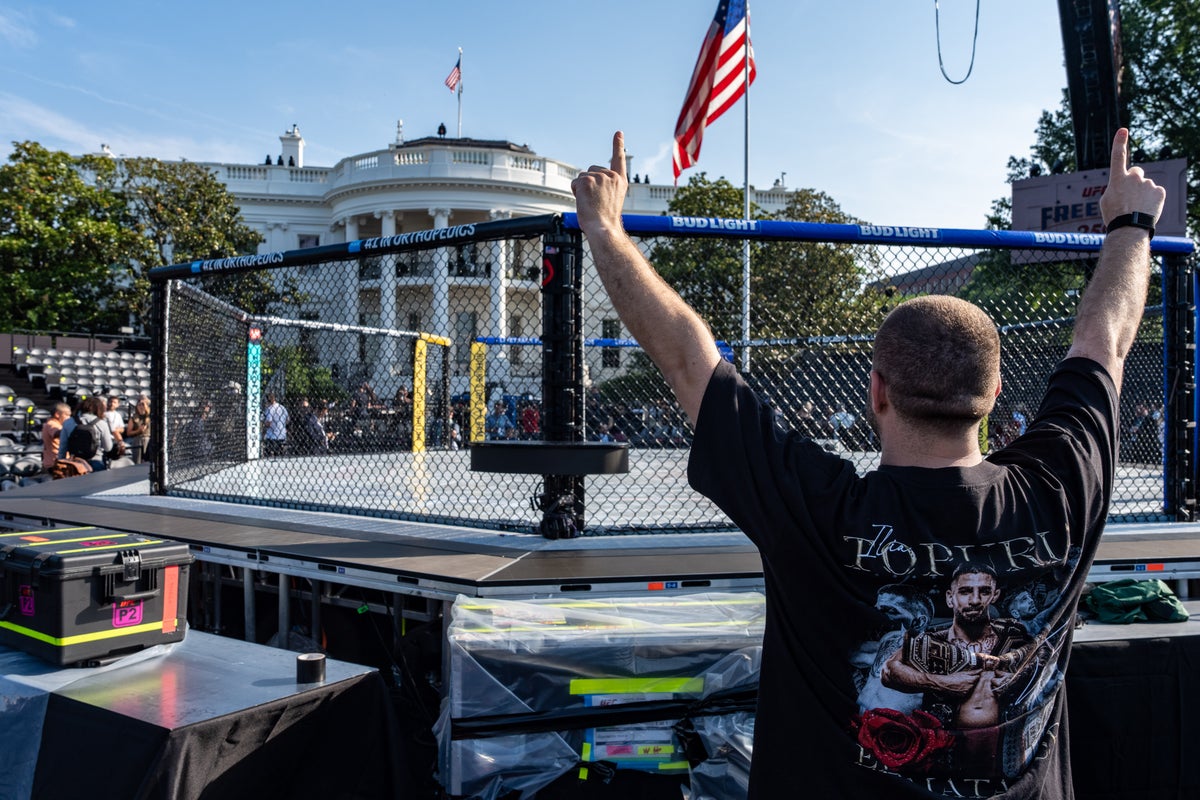
The intersection of high-profile political figures and sports entertainment creates a volatile risk profile for live broadcasting. When a federal lawsuit seeks an emergency injunction to halt a massive Pay-Per-View (PPV) event—such as a Ultimate Fighting Championship (UFC) fight featuring a figure like Donald Trump—the core issue is rarely just the public controversy. Instead, it exposes a complex battleground of contract law, tortious interference, and constitutional rights. Media reports frequently reduce these battles to political theater. A rigorous operational analysis reveals that these last-minute legal maneuvers are governed by a strict, multi-factor judicial framework that dictates hundreds of millions of dollars in immediate economic exposure.
Understanding this dynamic requires looking past the sensationalism of "corruption" allegations and examining the specific legal mechanisms used to disrupt high-value media assets. Emergency relief in federal courts relies on predictable legal doctrines, and analyzing these structures reveals how vulnerable major sporting events truly are to eleventh-hour litigation.
The Injunction Framework: The Four Pillars of Event Disruption
To halt a live broadcasting event, a plaintiff cannot merely prove that a wrong occurred; they must meet an extraordinary legal standard for a temporary restraining order (TRO) or a preliminary injunction. Federal courts evaluate these requests through four distinct analytical pillars.
1. Likelihood of Success on the Merits
The plaintiff must demonstrate a high probability that their underlying lawsuit will win at trial. In cases involving alleged corruption, racketeering, or unauthorized promotion, this requires presenting concrete evidence rather than speculation. For instance, if a lawsuit alleges a fight promotion is operating as an illegal enterprise, the plaintiff must immediately show statutory violations, such as specific breaches of the Racketeer Influenced and Corrupt Organizations (RICO) Act or clear contractual breaches.
2. Irreparable Harm
This is the logistical bottleneck for most emergency lawsuits. The law dictates that if a harm can be compensated by money damages after the fact, it is not "irreparable." To stop an event from broadcasting, a plaintiff must prove that allowing the fight to proceed will cause permanent, unquantifiable damage—such as the total destruction of a brand's trademark, the permanent loss of unique intellectual property, or a violation of constitutional rights that cannot be remedied by a future payout.
3. The Balance of Equities
The court weighs the hardship to the plaintiff if the injunction is denied against the hardship to the defendant if the injunction is granted. For a major UFC event, the defendant’s ledger includes millions of dollars in non-recoverable venue costs, athlete purse guarantees, production infrastructure, marketing spend, and PPV distribution commitments. The plaintiff's claimed injury must heavily outweigh this concentrated economic disruption to convince a judge to intervene.
4. The Public Interest
Courts assess how an enforcement action impacts the broader public. In sports entertainment, this includes considering the expectations of thousands of ticket holders, millions of PPV consumers, and the broader economic ecosystem of the host city. Injunctions that disrupt massive public commerce are routinely disfavored unless a profound public harm is actively occurring.
The Economic Cascades of an Eleventh-Hour Cancellation
The financial architecture of a modern PPV event is highly integrated. Halting an event hours before broadcast triggers an immediate chain reaction across multiple balance sheets.
The primary vulnerability lies in the Sunk Cost Aggregation. By the week of the fight, approximately 85% to 90% of total operational expenses are locked. Production crews are deployed, satellite transponders are leased, and arena security is fully staffed. An injunction does not erase these liabilities; it converts them into immediate losses.
The second critical vulnerability is Contractual Indemnification. Broadcast distribution agreements between promotions (like the UFC) and platforms (such as ESPN+) contain strict performance clauses. If an event fails to occur due to legal vulnerabilities that the promoter failed to mitigate, the promoter faces massive revenue shortfalls alongside potential breach-of-contract claims from broadcast partners demanding compensation for lost advertising inventory and subscriber churn.
The third layer involves Athlete Capital Accumulation. Mixed martial arts operates on a short-window monetization model for its independent contractors. Fighters spend months incurring out-of-pocket costs for training camps, coaching staff, and medical clearances. A canceled main event destroys the earning potential for the entire fight card, leading to immediate labor disputes and triggering complex "show money" contract clauses that force the promotion to pay out millions in compensation without generating any offsetting gate or media revenue.
Political Entanglement as a Corporate Liability
When a sporting event becomes a platform for political figures, the risk matrix shifts from standard athletic compliance to complex reputational and regulatory exposure. The presence of a polarizing political figure alters three specific operational vectors.
- Security Overhead Inflation: The physical security profile transitions from standard stadium crowd management to a federalized, multi-agency operation. The integration of the Secret Service alongside local law enforcement introduces rigid operational constraints, restricting venue access, altering VIP hospitality logistics, and increasing non-recoverable operational costs by orders of magnitude.
- Sponsor Portfolio Friction: Blue-chip corporate sponsors purchase ad space based on predictable demographic reach and brand safety. When a sports property becomes tied to high-stakes litigation involving political corruption, sponsors activate morality or force majeure clauses to pause or claw back ad spend, creating sudden revenue gaps.
- Venue Regulatory Risk: Municipal arenas often operate under public-private partnerships. If a lawsuit convincingly argues that an event serves as an illicit conduit for political fundraising or violate local ethics ordinances, municipal authorities face legal exposure, creating incentives for local governments to distance themselves from the promotion.
Defensive Strategies for High-Risk Promotions
To protect a multi-million-dollar broadcast from unexpected judicial intervention, sports promotions utilize specific structural safeguards. Organizations that fail to build these legal and operational moats remain perpetually vulnerable to strategic litigation designed to extract settlements via threat of cancellation.
Jurisdictional Choice-of-Law Clauses
Promotions establish their corporate headquarters and event contracts in highly predictable legal environments, such as Nevada or Delaware. These jurisdictions possess deep bodies of case law regarding sports entertainment and corporate governance, making judges highly skeptical of last-minute emergency filings designed to disrupt established commerce.
Explicit Liability Waivers and Arbitration Moats
By forcing partners, vendors, and top-tier participants into mandatory, expedited arbitration, promotions prevent internal disputes from spilling into public federal courts where public injunctions can be filed. This isolates legal friction to private tribunals that lack the authority to issue sweeping, event-halting orders.
Comprehensive Injunction Bonds
Federal Rule of Civil Procedure 65(c) requires a plaintiff requesting a TRO or preliminary injunction to post a bond in an amount the court considers proper to pay the costs and damages sustained by any party found to have been wrongfully enjoined. Savvy defense counsels immediately present judges with a detailed itemization of the true economic cost of halting the event—often demanding a bond of $50 million to $100 million. This financial barrier eliminates speculative or low-capital plaintiffs who cannot afford the massive premium required to collateralize such a bond.
Operational Assessment of the Litigation Threat
Evaluating the probability of an eleventh-hour judicial knockout requires looking past rhetorical claims of a "volcano of corruption" to analyze the precise legal mechanics at play. While the filing of a lawsuit creates immediate negative publicity and public relations friction, the structural barrier to securing a preliminary injunction against a major live sporting event remains exceptionally high.
Platitudes about corruption rarely satisfy the stringent requirement of demonstrating clear, irreparable harm that cannot be remedied by later monetary damages. If a plaintiff claims financial injury from an allegedly corrupt partnership, a federal court's default response is to let the event proceed, track the revenues generated, and litigate the financial division later during a standard trial.
The real danger to a promotion is rarely the risk of a judge actually shutting down the box office. Instead, the threat stems from the operational drag: the diversion of executive focus, the sudden freezing of marginal sponsor commitments, and the long-term escalation of insurance premiums for event-cancellation policies. Organizations must treat last-minute litigation not as an existential legal crisis, but as a predictable, quantifiable cost center within the modern sports entertainment landscape.