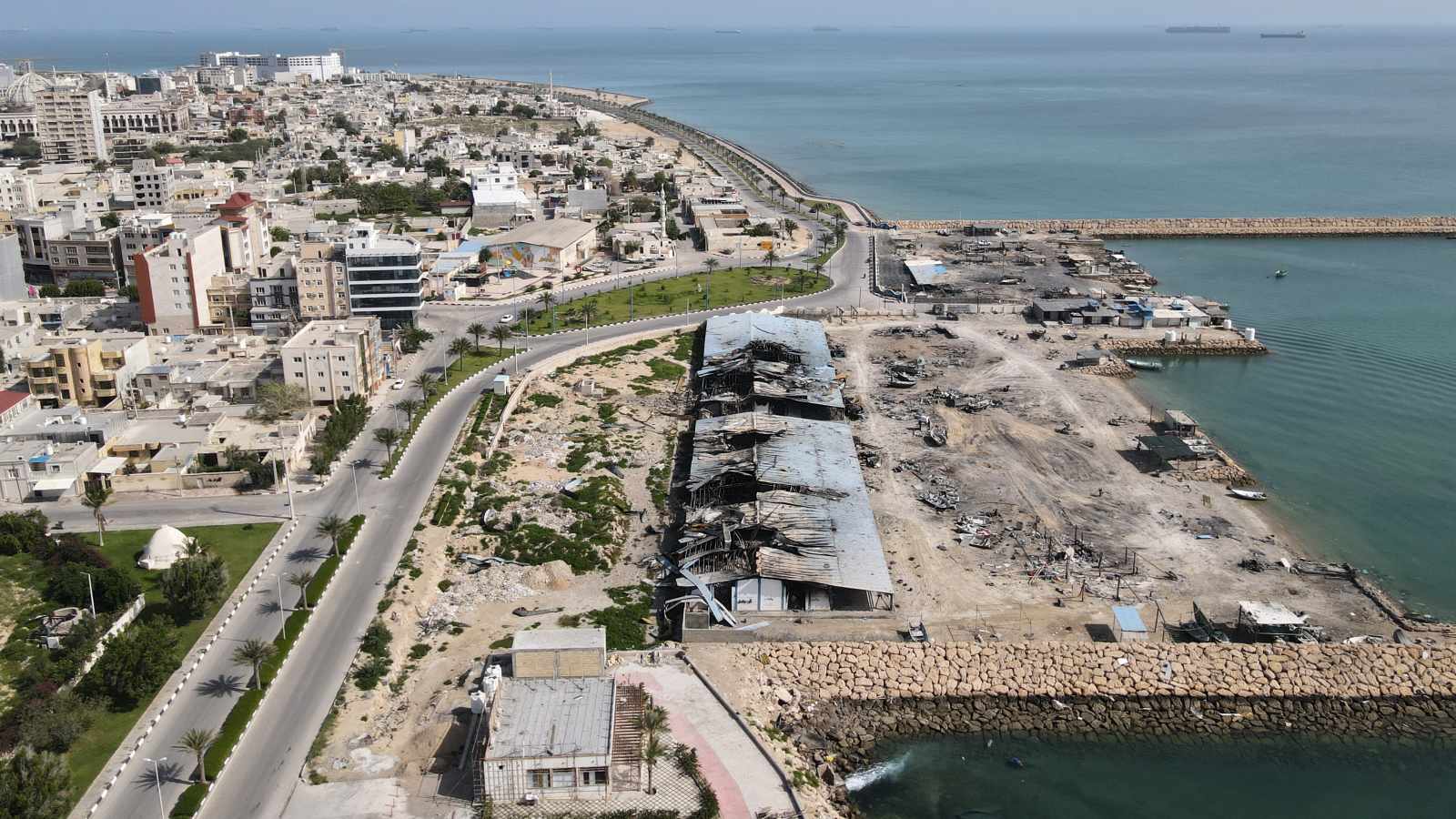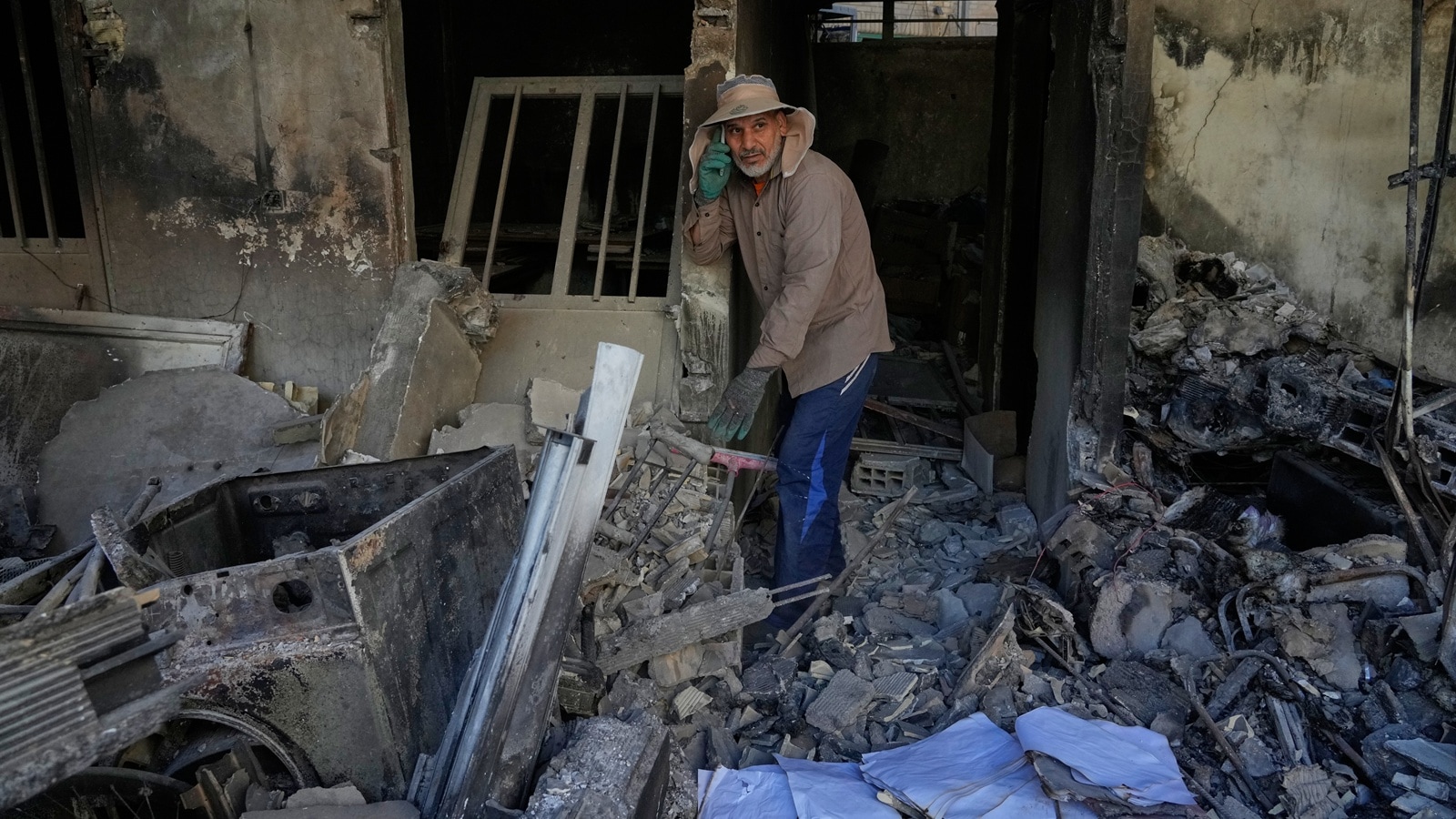
The persistent application of long-range precision fires and low-cost loitering munitions against Ukrainian infrastructure represents a shift from tactical maneuvers to a codified strategy of industrial and psychological exhaustion. This operational model relies on the interaction between three primary variables: the suppression of integrated air defense systems (IADS), the depletion of interceptor stockpiles, and the degradation of the power grid’s structural integrity. By saturating the defensive envelope with a mixture of high-end cruise missiles and mass-produced Iranian-designed Shahed variants, Russia forces a continuous, unfavorable cost-exchange ratio upon the defender.
The Logic of Saturation: The Offensive Cost Function
The current Russian offensive cycle is defined by the deliberate sequencing of assets to overwhelm sensor nodes. This is not a random dispersal of munitions; it is a calculated effort to force a binary choice on the defense: allow the target to be hit or expend an interceptor that costs 10 to 50 times more than the incoming threat.
The offensive architecture generally follows a three-stage progression:
- Sensor Probing and Decoy Saturation: Initial waves often consist of Geran-2 (Shahed-136) loitering munitions or "Gerbera" decoys. These lack significant destructive power individually but serve as diagnostic tools to map the location of active radar emitters and mobile fire groups.
- Kinetic Overload: Once the defense is engaged, Russia introduces cruise missiles such as the Kh-101 or Kalibr. These use terrain-following profiles and pre-programmed waypoint adjustments to bypass known air defense sectors.
- Terminal Impact and Re-Strike: For hardened targets, ballistic missiles like the Iskander-M or Kinzhal provide the terminal velocity required to penetrate reinforced structures, often arriving minutes after drones have forced the defense to deplete ready-to-fire tubes.
The Interceptor Deficit and Economic Asymmetry
The fundamental constraint of the Ukrainian defense is not the quality of its systems—which include advanced Western platforms like IRIS-T, NASAMS, and Patriot—but the finite nature of the interceptor inventory.
A standard Shahed-136 costs approximately $20,000 to $50,000 to produce. A Patriot PAC-3 interceptor costs roughly $4 million. Even the man-portable air-defense systems (MANPADS) used by mobile fire groups involve a cost-to-kill ratio that favors the attacker when scaled to thousands of units. This asymmetry creates a "sinkhole" in Western defense production cycles. The Russian strategy gambles on the reality that the Kremlin can scale the production of simple fiberglass drones faster than the West can scale the production of complex solid-fuel rocket motors and guidance seekers.
Grid Fragility as a Strategic Force Multiplier
Attacking the energy sector is an exercise in applied thermodynamics and logistics. By targeting high-voltage transformers and thermal power plants (TPPs), the offensive aim is to fragment the unified energy system into isolated "islands."
When a TPP is struck, the immediate loss is the generation capacity. However, the secondary effect is the loss of frequency regulation. A power grid must maintain a precise frequency (50Hz in Ukraine) to function. Large-scale fluctuations caused by sudden shutdowns can lead to cascading failures across the entire network, even in regions where no missiles landed.
The strategy focuses on:
- Autotransformers: These are massive, custom-built components that take 6 to 12 months to manufacture. There is no global "off-the-shelf" inventory for these units.
- Peaking Capacity: By targeting gas and coal-fired plants that provide supplemental power during high-demand hours, the attacker ensures that even if the base load (nuclear) is intact, the system remains unable to handle morning and evening surges.
Technological Evolution: From GPS to Optical Navigation
Evidence from recent wreckage suggests a rapid iteration in drone guidance systems. Initial versions relied heavily on CRPA (Controlled Reception Pattern Antennas) to resist GPS jamming. Newer iterations have been observed with integrated cellular modems—using local SIM cards to provide real-time telemetry back to operators—and nascent forms of optical "machine vision" for terminal guidance.
This evolution directly counters electronic warfare (EW) "spoofing." If a drone can recognize a landmark visually or triangulate its position via cellular towers, the effectiveness of GPS jamming is localized rather than absolute.
The Bottleneck of Mobile Fire Groups
To preserve expensive interceptors, Ukraine has deployed hundreds of "Mobile Fire Groups"—pickup trucks equipped with heavy machine guns, searchlights, and thermal optics. While cost-effective, this defensive layer has two critical failure points:
- Geographic Density: A mobile group can only protect a small radius. Defending a country the size of Ukraine requires a density of units that eventually competes with front-line manpower requirements.
- Night Operations: Without high-end thermal imaging, the success rate of downing drones at night drops significantly. Russia has responded by painting drones black or using carbon-fiber coatings to reduce both visual and radar signatures.
The Strategic Pivot toward Domestic Russian Production
The transition from importing Iranian kits to domestic production at sites like the Alabuga Special Economic Zone marks the industrialization of this conflict. This shift removes the logistical bottleneck of trans-Caspian shipping and allows for immediate design changes based on battlefield feedback.
The "Alabuga" model focuses on:
- Vertical Integration: Manufacturing airframes, engines, and basic circuit boards within a single secure perimeter.
- Simplification: Stripping non-essential components to maximize the explosive payload-to-weight ratio.
- Scale: Aiming for monthly output in the high hundreds to low thousands.
This industrial base allows for "persistent pressure" tactics—small, daily strikes that never allow the defense to rest, interspersed with massive "pulse" attacks designed to break through during moments of exhaustion or logistical transition.
The Failure of the "Missile Depletion" Hypothesis
Early 2023 Western intelligence assessments frequently suggested that Russia was "running out" of precision missiles. These assessments failed to account for two factors: the transition of the Russian economy to a full-time military footing and the continued acquisition of dual-use microelectronics through third-party intermediaries.
Production of the Kh-101 cruise missile has not only continued but likely increased. By utilizing a "rolling inventory" approach—firing missiles weeks or even days after they leave the factory—Russia maintains a baseline strike capability that persists regardless of historical stockpile levels.
Requirements for a Resilient Defense Strategy
Moving forward, a defensive posture that relies solely on intercepting incoming threats is mathematically destined for failure. A viable counter-strategy requires a shift toward "Active Defense" and "Passive Resilience."
- Passive Resilience: Physical hardening of infrastructure. This involves the construction of "Sarcophagi" or reinforced concrete covers for critical transformers. While these cannot stop a direct hit from a 500kg warhead, they eliminate damage from shrapnel and near-misses, which cause the majority of outages.
- Left-of-Launch Operations: Neutralizing the threat before it takes flight. This includes striking the airfields (Olenya, Engels) where Tu-95MS bombers are based and targeting the production facilities for loitering munitions.
- Electronic Warfare Saturation: Scaling "area-denial" EW that doesn't just jam signals but mimics them, leading drones to crash in unpopulated areas.
The conflict has moved beyond the era of tactical engagements and into a period of competitive industrial endurance. The side that manages its technical debt—the cost of defending versus the cost of attacking—will dictate the terms of the next phase. The immediate priority for any strategy seeking to stabilize the Ukrainian energy and civil sector must be the rapid deployment of decentralized power generation (small gas turbines) that are too numerous and too small to be efficiently targeted by expensive missile salvos.
Moving to a distributed energy model is the only architectural response to a multimodal aerial offensive. Centralized grids are a 20th-century vulnerability in a 21st-century autonomous war. The transition from "protecting the center" to "distributing the load" is no longer a policy preference; it is a survival requirement.