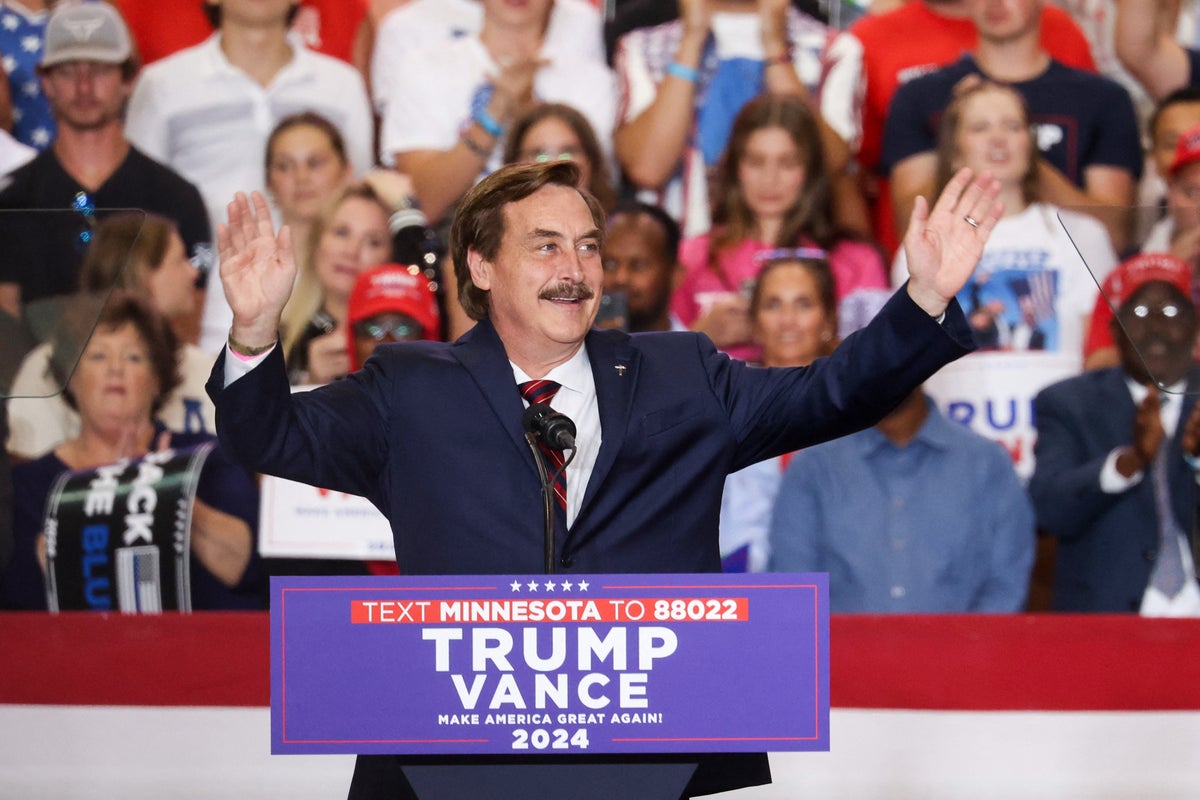
When a candidate rejects a double-digit electoral defeat by citing internal polling advantages, they confuse statistical projection with audited reality. Evaluating primary outcomes requires stripping away emotional narratives and examining three operational variables: sample frame reliability, institutional endorsement mechanics, and the cost function of campaign baggage.
The Variance Between Tracking Polls and Actual Ballots
Pre-election surveys measure stated intentions within a specific time window, whereas actual votes measure executed behaviors under physical constraints. Discrepancies between late-stage tracking data and final vote shares frequently stem from methodological limitations rather than administrative anomalies.
Survey instruments often struggle to model low-propensity primary voters who mobilize late or respond dynamically to shifting candidate stances. When a campaign experiences volatile strategic pivots—such as sudden reversals on major policy planks weeks before voting commences—late-deciding segments frequently defect to institutional alternatives.
Polling models assume stable voter preferences. In practice, high-profile controversies introduce friction that erodes late-stage support among moderate segments of a partisan base. Measuring a nine-point lead days prior to an election does not validate the integrity of subsequent tallies if the underlying sample frame underrepresented institutional voters consolidated behind an established legislative figure like Lisa Demuth.
The Mechanics of Institutional Attrition
Primary electorates operate on localized networks and institutional trust. A candidate who bypasses state party endorsement mechanisms faces a measurable structural penalty.
The Minnesota Republican primary illustrated the cost of operating outside party conventions. While an outsider candidate can mobilize external national donor networks, state-level primary outcomes rely heavily on boots-on-the-ground infrastructure controlled by local party delegates. Securing the nomination requires navigating two distinct systems:
- The delegate endorsement track, which values legislative track records and intra-party consensus.
- The open primary voter track, which reacts to media visibility and external endorsements.
When a campaign fails to capture the institutional endorsement—achieving ten rounds of convention voting without success—it absorbs a deficit in ground-game execution. Relying solely on a personal brand without precinct-level infrastructure creates a ceiling on voter turnout operations on election day.
The Drag of Legal and Operational Liabilities
Every candidate carries a balance sheet of accumulated political and legal capital. When operational liabilities outweigh persuasive bandwidth, a campaign's conversion rate plummets.
Legal judgments and ongoing disputes impose direct opportunity costs. Resources diverted toward managing public fallout or defending compliance actions drain capital that should fund voter contact operations. Strategic missteps, including public friction over campaign finance rules or abrupt policy realignments, signal operational instability to risk-averse primary voters.
A high unfavorable rating acts as a hard filter. Even when total brand awareness is near universal, intense negative sentiment limits growth capacity among undecided segments. An analysis of vote distribution reveals that uncommitted or fluid voters break toward stability when faced with high-volatility alternatives.
Strategic Allocation of Reality
Refusing to concede based on perceived anomalies ignores the deterministic nature of ballot reconciliation. Electoral systems operate on closed-loop accounting where every cast vote maps to a registered voter ID. Claiming statistical anomalies without publishing verifiable audit logs shifts the burden of proof from empirical data to rhetorical assertion.
Political practitioners must treat primary losses as diagnostic feedback rather than systemic corruption. The strategic remedy for a double-digit deficit requires auditing the top-of-funnel messaging, measuring brand toxicity, and evaluating structural ground-game deficits. Future cycles demand strict adherence to baseline polling error margins and a realistic appraisal of institutional alignment over external media amplification.