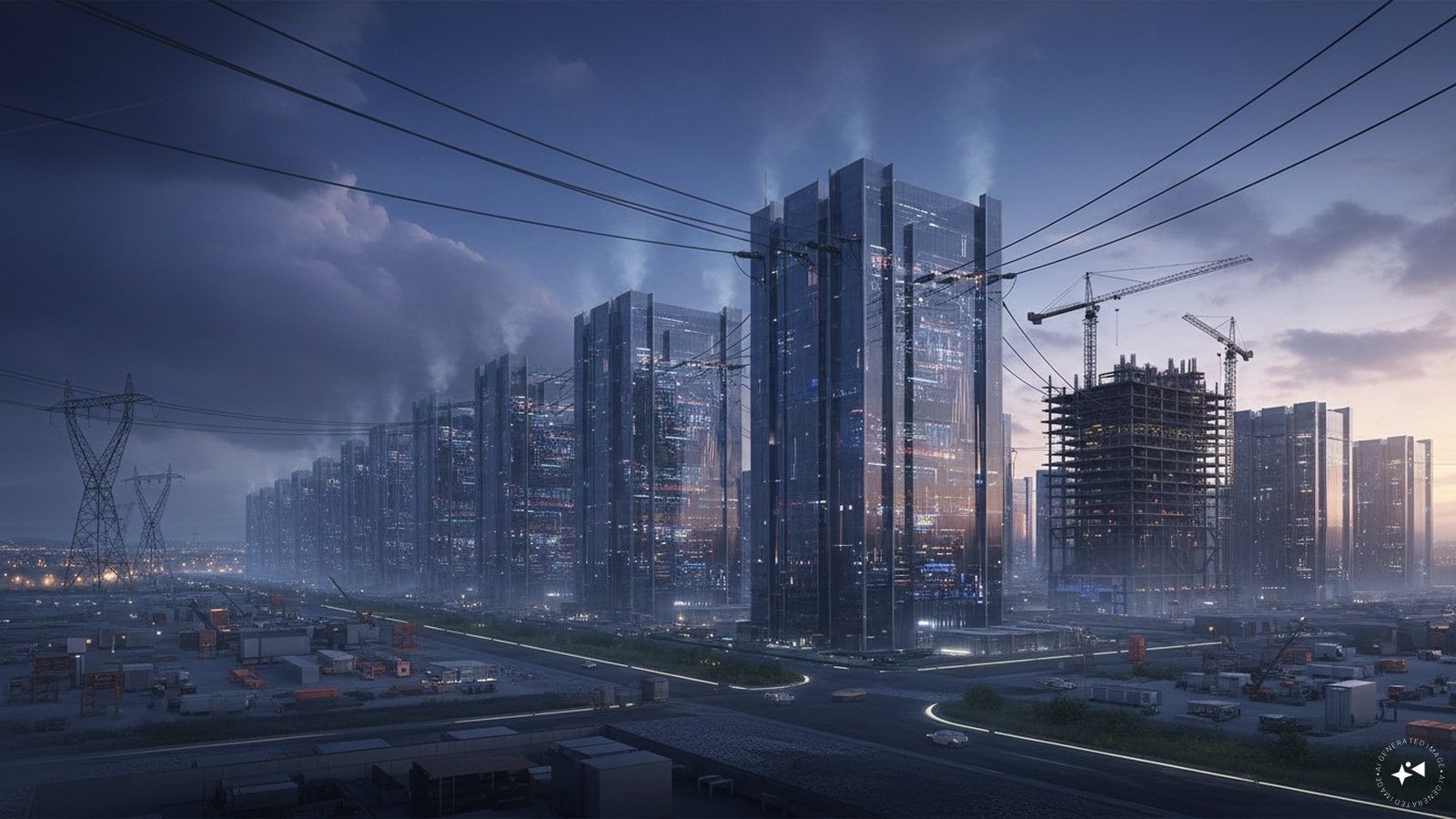
Silicon Valley's biggest names showed up virtually at the G20 tech ministerial meeting in Chapel Hill, North Carolina, with a blunt message: stop fighting the AI data center boom. Mark Zuckerberg and Elon Musk spent their screen time defending the massive energy and physical infrastructure required to keep modern machine learning alive. Most citizens push back against these facilities because of buzzing transformers and soaring local utility bills. The tech billionaires argue that slowing down construction hands an immediate victory to global competitors like China.
You cannot scale artificial intelligence on good intentions alone. Running massive clusters of high-end graphics processing units requires physical square footage, millions of gallons of cooling water, and jaw-dropping amounts of wattage. Musk warned that a severe electricity shortfall is coming next year, which threatens to bottleneck Western progress. Meanwhile, Zuckerberg pointed out a completely different bottleneck that policy makers tend to ignore entirely.
The Skilled Labor Crisis Behind the Silicon Surge
Building an AI data center isn't just about writing code or securing venture capital. It requires concrete, copper wiring, industrial HVAC installation, and heavy electrical engineering. Zuckerberg admitted that Meta struggles to find enough qualified tradespeople to build the physical sites they need.
The industry faces a brutal shortage of electricians and construction workers. Millions of high-paying jobs are waiting in the skilled trades, but the educational pipeline focuses too heavily on desk work. If local communities spent less time trying to block zoning permits and more time training technical labor, the infrastructure gap would shrink overnight.
Local backlash is fierce. Polls show a rising tide of public opposition against new facilities. People worry about the grid collapsing under the strain of data center cooling loads. Yet, figures like Musk argue that the macroeconomic payoff dwarfs local inconveniences. He estimates that artificial intelligence could expand the global economy by twenty to thirty trillion dollars annually.
Cutting Through Red Tape
Regulation remained a major talking point during the G20 sessions. Musk didn't hold back when targeting European policy frameworks, arguing that European overregulation defaults new technology to illegal status until proven otherwise. He believes innovation needs room to breathe without suffocating under bureaucratic oversight.
The White House organized this specific G20 gathering to champion policies that keep AI deployment relatively free from restrictive rulebooks. Google DeepMind chief Demis Hassabis echoed the massive scale of the shift, noting that reaching human-level AI carries an impact many times greater than the Industrial Revolution.
When tech leaders push for more power generation and fewer permits, it sounds self-serving. They want to secure their market share. They also happen to be entirely correct about the physical limits of our electrical grids. Ignoring these energy realities won't make the demand disappear. It simply moves the servers offshore.
Look at what regions with proactive energy planning are doing right now. They are cutting red tape for modular nuclear reactors, greenlighting direct-to-grid solar partnerships, and upgrading local sub-stations. If you want the economic windfall of the next tech wave, build the substations and train the electricians. Stop pretending the demand will vanish if you say no to a zoning variance.