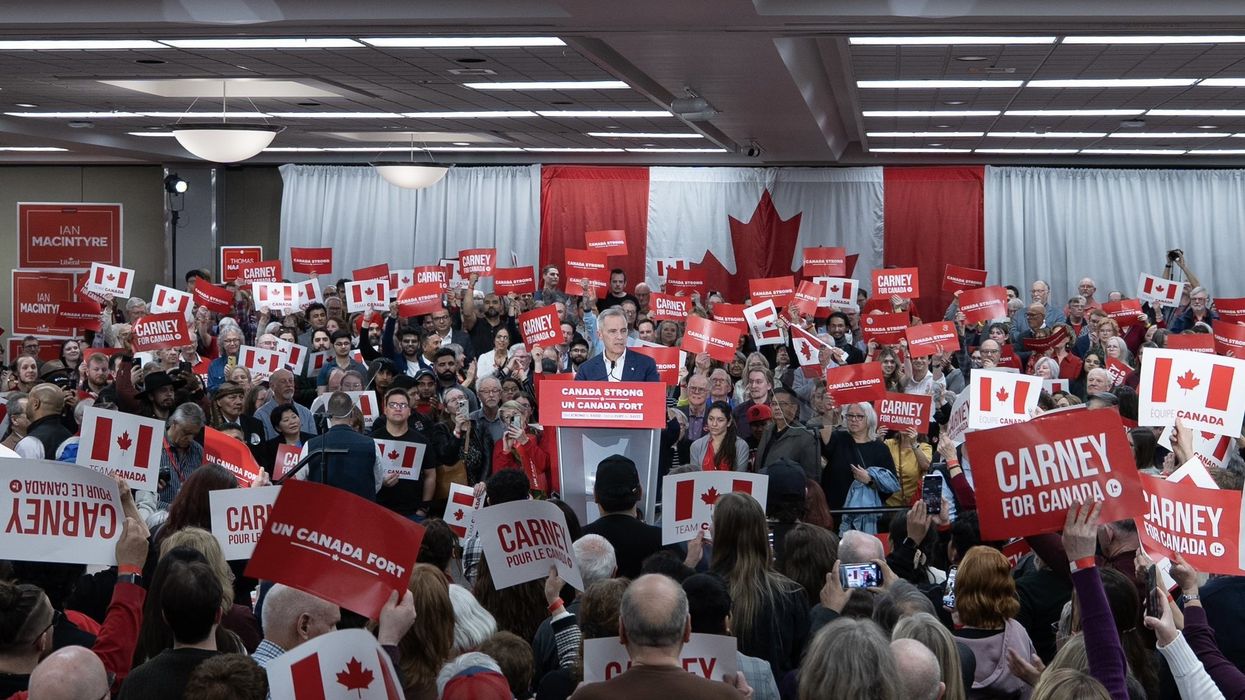
The US dollar isn't just a currency. It’s a superpower. For decades, the world’s financial system has leaned on the greenback like a crutch, and it’s starting to show some serious splinters. At the latest Davos gathering, Mark Carney—the former head of both the Bank of England and the Bank of Canada—didn't just suggest a tweak to the system. He essentially called for a global financial revolution. He's right to be worried.
When the US sneezes, the rest of the world catches a cold. That’s an old saying, but in 2026, it’s more like when the US Fed raises rates, emerging economies face a full-blown ICU visit. Carney's argument hits on a massive structural flaw. We live in a multipolar world where trade happens everywhere, yet we still settle almost everything in a single currency controlled by one city: Washington D.C. It’s unbalanced. It’s risky. Honestly, it’s a bit outdated.
The dominance of the dollar creates a "liquidity trap" for everyone else. If you're a business in Brazil trading with a partner in Thailand, you likely still use dollars as the middleman. This adds costs and subjects your entire trade deal to the whims of American inflation or political gridlock. Carney is pushing for a shift toward a system that reflects the actual state of global commerce, not the world as it looked in 1945.
The problem with a one currency world
The "exorbitant privilege" of the dollar—a term coined back in the sixties—means the US can run massive deficits because everyone needs their debt. But for the rest of us, it means constant instability. Carney pointed out that the dollar’s role as the world’s primary reserve currency doesn't match the shifting weights of global GDP. China, the EU, and India have massive footprints, yet their currencies don't carry the same international weight.
This creates a synchronization problem. When the US economy performs differently than the rest of the world, the dollar’s value fluctuates in ways that can wreck smaller nations. If the dollar gets too strong, it makes debt denominated in dollars impossible to pay back for developing countries. We've seen this play out in Argentina, Sri Lanka, and Turkey. It’s a cycle of crisis that Carney thinks we can actually break if we stop being so dependent on a single point of failure.
He isn't just complaining. He’s looking at the math. The share of global trade settled in dollars is vastly disproportionate to the US share of global exports. This gap is where the volatility lives. By diversifying away from the dollar, Carney argues we can create a "multipolar" financial system. This would involve a basket of currencies or even a digital alternative that isn't tied to the domestic policy of a single nation-state.
Technology might be the silver bullet
One of the most interesting parts of Carney’s stance involves Central Bank Digital Currencies (CBDCs). He’s been a long-time advocate for using technology to bypass the old plumbing of Wall Street. In his view, a global digital currency—perhaps managed by a group of nations rather than just one—could provide the stability the dollar currently provides without the political baggage.
Think about how slow and expensive international wire transfers still are. It’s ridiculous. We have instant communication but 1970s-era settlement layers for money. Carney sees a future where "synthetic hegemonic currencies" (his words, basically meaning a tech-backed digital basket) provide a neutral ground for trade. This isn't about Bitcoin or meme coins. It’s about the underlying architecture of how value moves across borders.
- It reduces the need for countries to hoard dollar reserves.
- It lowers transaction costs for global supply chains.
- It shields neutral trade from being used as a political weapon through sanctions.
Using the dollar as a weapon is a double-edged sword. While it gives the US immense power to punish bad actors, it also scares everyone else into looking for an exit. If you know your assets can be frozen because of a policy shift in D.C., you’re going to look for a different vault. Carney is reading the room. He knows that countries like China and Russia are already building their own systems, and he’d rather see an orderly transition than a chaotic collapse of the current order.
Why the US will fight back
Don't expect the US Treasury to just hand over the keys to the kingdom. The dollar's status is what allows the US to borrow trillions at relatively low interest rates. If the world stops needing dollars to buy oil or settle trade, the demand for US Treasuries drops. That means higher interest rates for Americans and a much harder time funding the government.
The geopolitical friction
Carney is basically asking the US to give up its most potent tool of soft power. The dollar allows the US to enforce its will globally without firing a shot. If a "multipolar" system takes over, that leverage vanishes. This is why Carney’s message at Davos was so bold. He was speaking to the global elite in a setting that usually celebrates the status quo, telling them the status quo is a ticking time bomb.
Many critics argue that there is no real alternative yet. The Euro has its own structural issues. The Renminbi isn't fully convertible. Gold is too clunky. This "TINA" (There Is No Alternative) factor is what keeps the dollar on top. But Carney’s point is that we shouldn't wait for a crisis to build the alternative. We should be building it now through digital innovation and international cooperation.
Moving toward a multipolar financial future
The shift Carney describes won't happen overnight. It’ll be a slow grind. You can already see it in the way central banks are buying gold at record levels or how "friend-shoring" is changing where money flows. For businesses and investors, this means the era of "set it and forget it" with dollar-based assets might be ending.
Diversification is the only logical path forward. If you're managing a portfolio or running a company with international exposure, you can't just assume the dollar will remain the undisputed king forever. The cracks are visible. Carney isn't a radical; he’s a pragmatist who sees the math isn't adding up anymore.
Start looking at how your own interests are tied to dollar volatility. Watch the development of CBDCs in Europe and Asia. The transition to a multipolar world is already underway, whether the US likes it or not. The smartest move is to stop pretending the current system is permanent and start preparing for the one Carney is describing. Get your assets into a broader mix of currencies and stay informed on the digital settlement systems that are quietly replacing the old SWIFT network. The dollar’s reign had a good run, but the world is ready for something more stable and less lopsided.