Trade wars bring out the loudest ideas in politics. When Washington dangles new tariffs, Canadian politicians reach for the biggest weapon on the map: oil, gas, and electricity. Ontario Premier Doug Ford famously suggested turning off the lights for millions of Americans. Other provincial leaders echo that tough talk, arguing that weaponizing natural resources is the fastest way to force a concession.
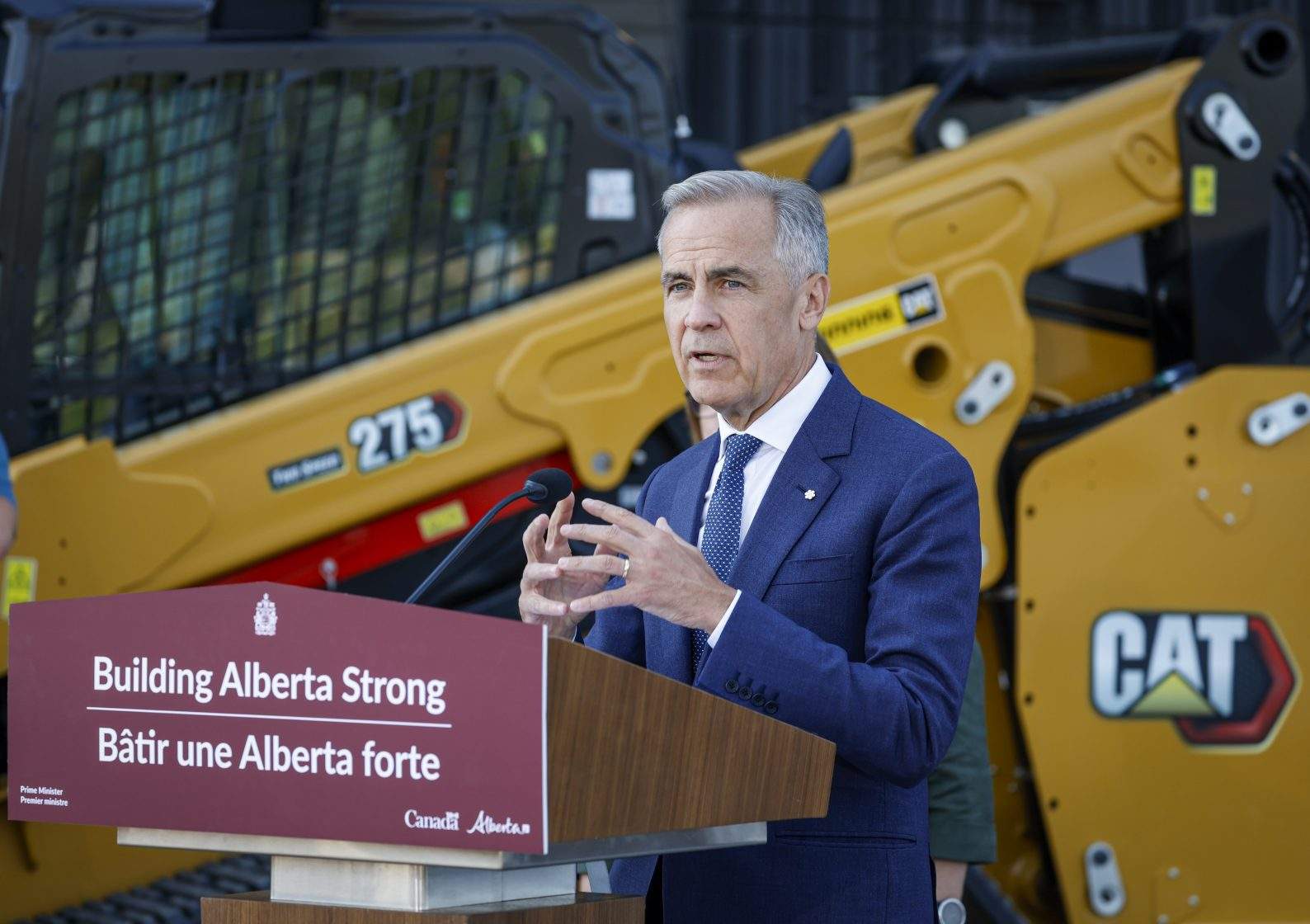
Prime Minister Mark Carney sees it differently. Standing alongside Alberta Premier Danielle Smith in Red Deer, Carney drew a hard line against using the Canadian energy sector as a trade bargaining chip. He didn't issue a flat, absolute denial, but his stance was clear. He basically said he doesn't see the value in shutting off the taps.
Why? Because reliability is an asset. Once you break trust as an energy supplier, you don't get it back easily.
The High Cost of Playing Hardball
It sounds satisfying in a press conference. You threaten to choke off crude or electricity, and you imagine Washington backing down. Reality is messier.
Carney pointed out a fundamental truth about commodities. When you supply a critical resource to a neighbor, you have to think twice before turning off the valve. Canada relies on the U.S. market just as much as American refineries rely on Western Canadian crude. Interrupting that flow creates immediate chaos at home. Workers lose shifts. Companies lose billions. Supply chains fracture.
Proponents of the energy weapon ignore the blowback. If Canada proves willing to halt energy exports for political leverage, buyers look elsewhere. Long-term contracts shift. Capital flees.
Divided Premiers and Washington Pressure
The debate exposes a deep fracture within Canadian federalism. Provincial leaders face different pressures. New Brunswick Premier Susan Holt expressed openness to using New England-bound energy exports to secure a deal. Ontario and Alberta voices often swing between aggressive retaliation and fierce protection of local resource revenues.
Meanwhile, trade ministers and chief negotiators like Janice Charette have been busy in Washington trying to find an actual diplomatic off-ramp. Carney's refusal to lock himself into a retaliation strategy gives his team room to maneuver. He wants a mutually beneficial solution. He also knows that once you show your entire hand, you lose the game.
The pressure from U.S. tariffs is real, hitting Canadian workers and businesses across multiple sectors. But trading long-term market reputation for a short-term headline is a bad trade. Carney is betting that being the adult in the room pays better dividends than turning off the power.
Keep your supply chains open. Keep your word. Let the negotiators do their jobs without burning the house down first.
Carney says he doesn 't 'see the value' in using energy as leverage in U.S. talks | Power & Politics
This video provides an in-depth look at Prime Minister Mark Carney's comments on trade negotiations and energy leverage.
http://googleusercontent.com/youtube_content/1