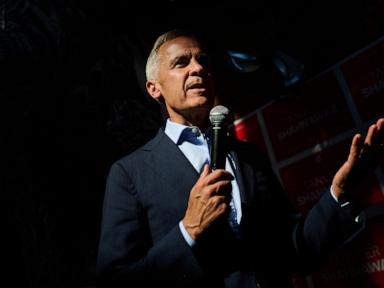
Canadian Prime Minister Mark Carney isn't waiting around for Washington to change its mind. Following the dramatic collapse of trade negotiations and the implementation of heavy 50% tariffs by the Trump administration on roughly $20 billion worth of Canadian goods, Ottawa is looking across the Atlantic. Carney announced he will address the European Parliament in Strasbourg next month, signaling a sharp and deliberate pivot in Canada's foreign policy.
If you think this is just standard diplomatic posturing, look closer. The breakdown of North American trade integration marks a structural break, not a temporary squabble. Carney's upcoming trip to Europe—where he will also attend European Commission President Ursula von der Leyen's annual State of the Union address—proves that Canada is actively building an economic insurance policy.
The Cost of Breaking From Washington
For decades, the math of Canadian prosperity was simple. You sold goods to the United States because geography made it cheap, fast, and logical. Nearly three-quarters of Canadian exports historically crossed the southern border. But when the White House weaponized economic integration and pushed demands that Ottawa deemed unacceptable—including challenges to French-language rights and cultural protections—the relationship cracked.
Carney called the bluff, responding dollar-for-dollar with retaliatory tariffs on American steel, dairy, and machinery. Yet, everyone knows retaliation hurts. Canadian businesses relying on cross-border supply chains face immediate turbulence. Rebuilding supply chains away from a market ten times your size is brutally difficult.
This is why diversification isn't just a political buzzword for Carney; it's an existential survival tactic.
Why Brussels is Welcoming Ottawa With Open Arms
Europeans are watching Canada's friction with the United States with a mixture of empathy and strategic interest. EU leaders have long struggled with how to handle unpredictable American trade aggression. Carney's willingness to stand firm has turned Canada into a test case for how middle powers can survive in an era of superpower bullying.
The alignment goes deeper than speeches. Earlier this year, Canada became the first non-European country permitted to join the EU's Security Action for Europe defense initiative, accessing billions in joint procurement funding. Carney also made history as the first non-European leader to participate in a European Political Community summit.
When Carney steps up to the podium in Strasbourg this September, the message will be blunt. Middle powers must pool their economic and defensive weight if they want to avoid being squeezed out by economic nationalists. Combined, a Canada-EU partnership represents a massive trading bloc. It doesn't instantly replace the convenience of the U.S. market, but it creates a viable alternative for a country that refuses to be economically subordinated.
What Happens Next for Exporters and Businesses
If you run a business or manage investments tied to cross-border trade, the writing is on the wall. Relying on a single market is a high-risk gamble. Canadian officials are preparing for intensive economic talks with the European Union this fall to upgrade the existing Comprehensive Economic and Trade Agreement (CETA) and clear bottlenecks.
Expect Ottawa to fast-track shipping routes, logistics partnerships, and regulatory alignments with European partners. Companies that adapt early by looking eastward for clients, tech partnerships, and defense contracts will weather the North American trade freeze far better than those waiting for a return to status quo politics that aren't coming back.