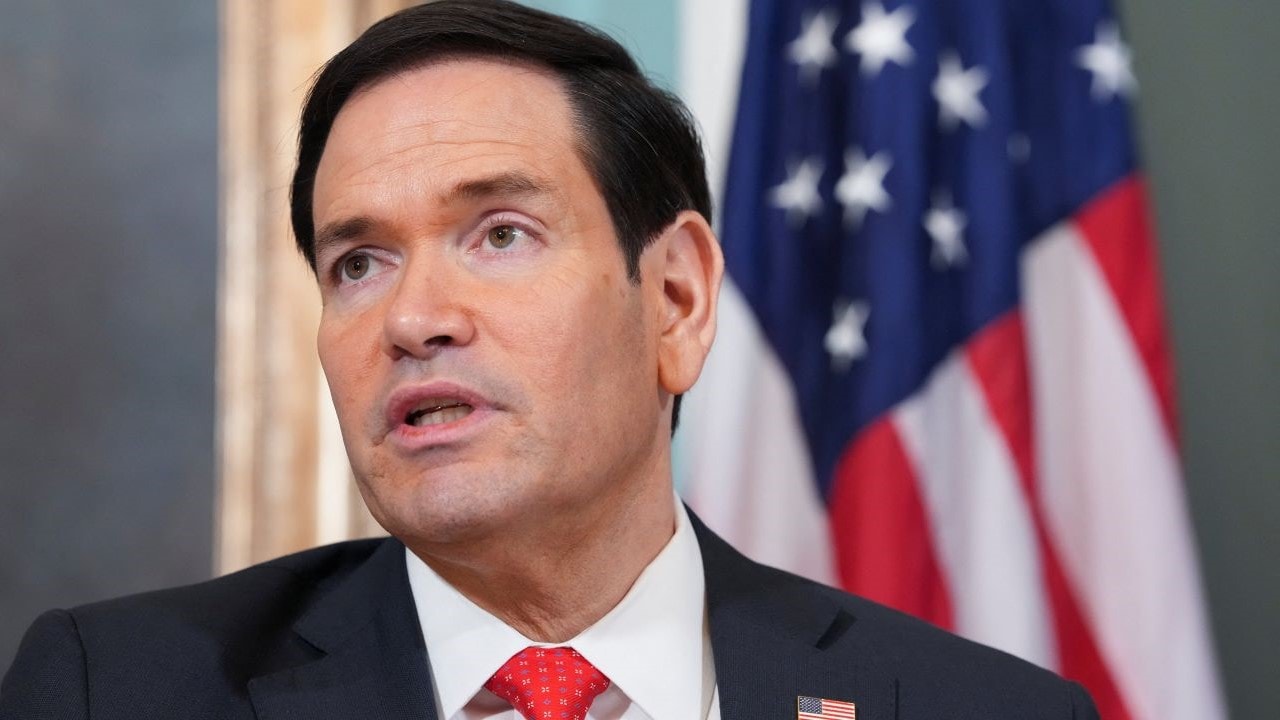
You can learn everything you need to know about modern diplomacy by watching where a superpower sends its top envoy before a single serious meeting starts. When US Secretary of State Marco Rubio landed in India for his crucial four-day visit, he didn't immediately sit down in a high-tech boardroom or a secure government bunker in New Delhi. Instead, he found himself touring Mother Teresa’s home in Kolkata, taking in the symmetry of the Taj Mahal in Agra with his wife Jeanette, and prepping for the pink palaces of Jaipur.
It's a beautiful itinerary. Kinda makes you think of a luxury vacation, right? But make no mistake. Sending the American Secretary of State on a scenic tour before getting down to brass tacks is a deliberate, calculated power move by New Delhi.
The underlying message from India's Ministry of External Affairs is clear. If you want to talk business with us, you'll see our country first, and you'll do it on our timeline. Washington might be in a hurry to patch things up, but New Delhi can wait.
The Real Story Behind the Photo Op in Agra
Let's look past the glossy press photos of Rubio at the Taj Mahal. The bilateral relationship between the United States and India has hit its rockiest plateau in over two decades. Donald Trump’s aggressive tariff policies have hit Indian exports hard, creating genuine friction. For months, observers have whispered that the historic upward trajectory of this alliance has stalled.
So when Rubio showed up, he wasn't there just to admire Mughal architecture. He was in full repair mode.
Recent US Concessions to India:
- Dismissal of federal charges against corporate leaders
- Extension of the sanctions waiver on Russian oil currently at sea
- Fast-tracking of a new consular wing at the US Embassy
Rubio arrived bearing significant diplomatic offerings. He brought a personal invitation from Trump for Prime Minister Narendra Modi to visit the White House. He brought major promises of American energy to help replace the discounted Russian crude India relies on. He even talked up "Mission 500"—a massive ambition to push bilateral trade to $500 billion.
But India didn't immediately hand over easy victories in return. Modi met Rubio and offered a carefully worded, single-sentence acknowledgement on social media about "sustained progress." It wasn't a celebration. It read like a business receipt.
What Happened in the Rooms with Modi and Jaishankar
When Rubio finally sat down with External Affairs Minister Dr. S. Jaishankar and National Security Advisor Ajit Doval, the vibe was polite but fiercely transactional. Rubio spent his time trying to convince everyone that the relationship hadn't lost momentum. He dismissed the online friction and internet rumors of a rift as "crazy stuff online" and tried to pivot back to shared values.
Jaishankar, true to form, didn't give away an inch for free. He laid out a strict five-point blueprint for global stability. He made it plain that India stands firmly against the weaponization of global trade networks and will always protect its own economic interests, whether that means buying Russian oil or setting its own tariff rules.
The two sides also clashed quietly over legal mobility. While Rubio proudly inaugurated a new consular wing at the US Embassy in New Delhi—emphasizing tighter border protections and stricter vetting—Jaishankar countered by directly addressing the brutal wait times and bureaucratic headaches legitimate Indian travelers face when trying to get US visas.
The contrast tells you everything. The US wants stricter security and border controls; India wants seamless mobility for its professionals and students.
The Multipolar Strategy New Delhi Won't Drop
There is a hardened school of thought inside India’s foreign policy establishment. India is no longer the eager junior partner desperate for validation from Washington. The relationship with America is incredibly valuable, sure, but it isn't irreplaceable. India has options, and it likes to use them.
Just days before Rubio arrived, New Delhi hosted the BRICS foreign ministers, sitting down with representatives from Russia and Iran. Right after Rubio finishes his sightseeing, India will host the Quad Foreign Ministers' Meeting, pulling in Japan and Australia.
India's Diplomatic Balancing Act:
- Hosts BRICS meetings with Russia and Iran
- Purchases billions in US tech and military hardware
- Chairs the Quad Security Dialogue in the Indo-Pacific
Washington wants India to pick a side, especially regarding Russia and the ongoing tensions in West Asia. But India refuses to play that game. During the bilateral talks, Iran rejected Rubio’s demands regarding enriched uranium directly from Indian soil, proving that New Delhi will continue to maintain open lines of communication with Washington’s fiercest adversaries.
The Actionable Takeaway for Global Business and Strategy
If you are running an import-export business, managing supply chains, or investing in emerging tech, you need to ignore the political theater and focus on the actual mechanics of the impending US-India trade agreement. They are on the verge of signing a deal, but it will be a compromise, not a total victory for Western corporations.
Here is what you need to do right now to prepare for this shift.
- Diversify Your Energy and Supply Lines: Don't bet on India abandoning Russian commodities or Western technology completely. Align your logistics to handle a hybrid model where India sources from both worlds.
- Prepare for Stricter US Vetting: The newly inaugurated consular wing in Delhi means business immigration will face tighter security screening. Give your corporate visa applications an extra three to six months of lead time.
- Leverage Local Indian Manufacturing: With India committing to $500 billion in US goods over the next five years, companies that build assembly or manufacturing partnerships directly inside India will benefit from aggressive tax incentives.
When Rubio flies back to Washington to brief the White House, his report will state that India is an essential, highly confident, and incredibly stubborn partner. New Delhi isn't desperate for a deal. If the US wants concrete concessions, it will have to come to the table with better terms. The real conversations will happen strictly on India's timeline.