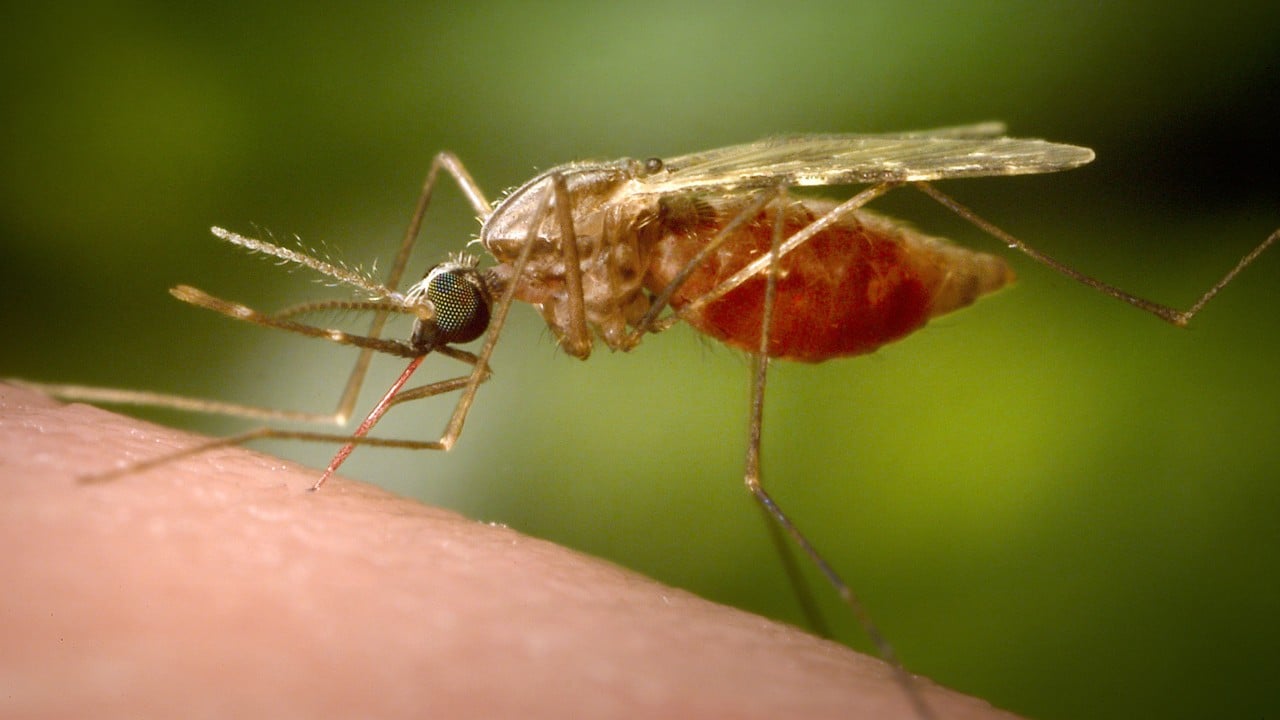
International aviation hubs function as compressed epidemiological vectors. When two ground crew workers contracted fatal malaria after servicing an aircraft arriving from an endemic zone, public discourse typically fixates on the novelty of the incident. This reaction misdiagnoses the structural vulnerability. The transmission event was not a freak anomaly of nature; it was a predictable friction point within globalized logistics chains where vector biology intersected with routine ground operations. Understanding how airport-acquired malaria occurs requires evaluating the interaction between aircraft cabin microclimates, baggage hold thermodynamics, vector transport viability, and ground handling protocols.
Airports are high throughput nodes designed for velocity, not biological containment. Cargo holds, wheel wells, and passenger cabins form distinct thermal and atmospheric zones that influence vector survival during transit. When a commercial airliner operates a route originating in a malaria endemic region, it inadvertently functions as an intercontinental vector conveyance system. Mosquitoes such as Anopheles species do not simply fly into a cabin mid flight and survive; they endure the journey because interior aircraft environments during boarding and taxi phases mimic tropical microclimates.
The mechanics of airport vector transmission rely on three compounding variables: vector longevity during transit, ambient thermal conditions upon arrival at the destination hub, and the operational exposure profiles of ground personnel. Most aircraft utilize High Efficiency Particulate Air filters during flight, which clean cabin air efficiently at altitude. However, the vector vulnerability window occurs primarily on the ground prior to takeoff and immediately after landing, before the environmental control systems reach operational equilibrium or when doors remain unsealed during turnaround procedures.
Cargo compartments present an even higher risk profile for vector infiltration. Unlike passenger cabins, cargo holds are pressurized and temperature controlled, but they often lack the continuous air exchange rates found overhead. If an aircraft loads freight or baggage in an open air, high vector density environment without rigorous insecticide pre treatment, mosquitoes enter the hold. Upon arrival at a non endemic destination like a German airport, the opening of cargo doors exposes ground crew to enclosed spaces where surviving vectors have been sheltered from wind, desiccation, and rapid temperature shifts.
The biological viability of a vector arriving via aircraft depends on metabolic suppression. Lower ambient temperatures in cargo holds during high altitude flight can induce a state of torpor in mosquitoes, reducing their metabolic rate and allowing them to survive flights that would otherwise exceed their normal active endurance limits. Upon landing, as ground handlers open cargo doors and enter the hold to unload luggage, the sudden influx of warmer ambient air revives the vectors. Disoriented, hungry, and encountering human hosts for the first time in hours, these mosquitoes exhibit aggressive biting behavior.
Ground personnel represent an operational blind spot in standard aviation biosecurity frameworks. While passenger health screenings focus on symptomatic travelers carrying blood borne pathogens, airport workers operating on the tarmac or inside cargo holds are rarely considered epidemiological hazards. Their exposure risk is compounded by uniform requirements that prioritize high visibility and mobility over vector protection, combined with shift patterns that often span dusk and dawn, the peak feeding windows for many Anopheles species.
Evaluating the risk profile requires examining the vector control taxonomy used in international aviation. The World Health Organization outlines two primary aircraft disinfection methodologies: block away disinsection, where the cabin is sprayed with residual or non residual insecticides after doors are closed prior to takeoff, and arrival disinsection, performed immediately after landing before passengers disembark. Enforcement of these protocols is notoriously inconsistent across global jurisdictions, driven by commercial pressures to minimize turnaround times. A carrier rushing to maintain an on time performance metric may shortcut or entirely omit the disinsection protocol, passing an unquantified biological risk down the supply chain to the destination airport workers.
The incident in Germany highlights a broader systemic failure in multi agency risk governance. Aviation authorities regulate flight safety, customs agencies regulate border integrity, and public health departments monitor localized disease vectors. Airport ground handling operations, however, often fall into a regulatory grey zone managed by third party logistics contractors. These contractors compete on razor thin margins, where spending on comprehensive vector surveillance, specialized protective clothing, or automated cargo fogging systems is viewed as an unrecoverable operational cost rather than an essential life safety investment.
Mitigating this vector pathway requires a structural overhaul of ground handling standard operating procedures. The traditional reliance on reactive health reporting after a fatality occurs must be replaced by proactive biosecurity engineering at every international arrival gate.
Integrate automated aerosolized knockdown systems directly into the ventilation ducts of wide body cargo holds, triggering a timed release cycle during the final descent phase of any flight originating from a WHO designated malaria transmission zone.
Transition ground crew protective standards from voluntary personal insect repellent applications to mandatory engineered controls, including permethrin treated high visibility apparel and sealed collar configurations for shifts handling aircraft from high risk corridors.
Establish mandatory biosecurity audit logs for all international carriers, requiring verifiable digital certification of aircraft disinsection prior to gate assignment at destination hubs, with non compliant operators facing immediate tarmac access restrictions.
Deploy passive CDC light traps and molecular surveillance grids within major cargo warehousing facilities adjacent to tarmac zones to detect exotic vector incursions before human transmission events materialize.


/i.s3.glbimg.com/v1/AUTH_51f0194726ca4cae994c33379977582d/internal_photos/bs/2025/i/r/awbO2yQqaKlcaE88EbfQ/saveinsta.to-487450509-18505253173001043-4348954377809315877-n.jpg)