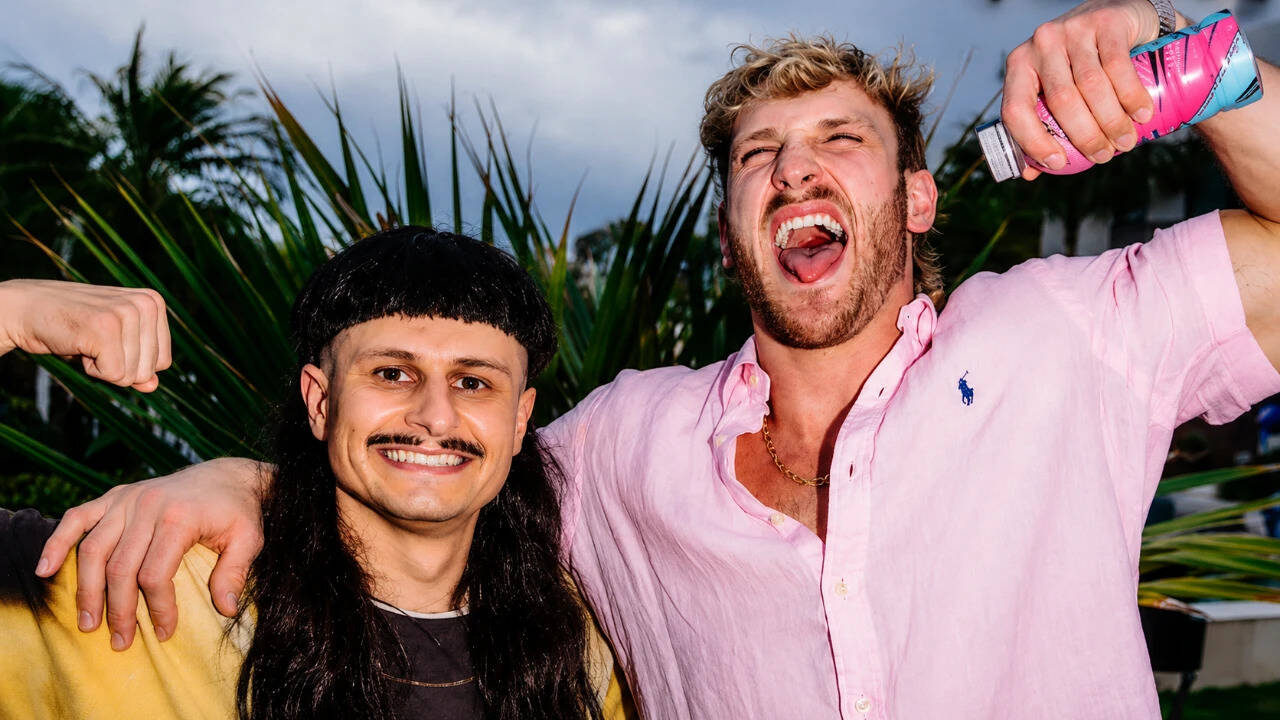
Most media outlets looked at Logan Paul and KSI dropping a limited-edition PRIME bottle honoring Oliver Tree and groaned. They called it a gimmick. They called it a desperate cash grab by two internet personalities clinging to relevance by attaching themselves to an indie-pop/meme-rap anomaly. They missed the plot entirely.
I have watched brands burn millions trying to manufacture organic community engagement while treating marketing like a sterile science experiment. PRIME treats it like a street fight. This collaboration is not about honoring a musician's legacy. Oliver Tree's legacy is a living performance art piece built on irony, bowl cuts, and fake neck braces. PRIME is leaning into that absurdity to solve a major problem plaguing consumer packaged goods right now: scroll fatigue. You might also find this connected article insightful: The Currency Trap Closing In On Japan Leadership.
Let's look at the lazy consensus. The common critique goes like this: Energy drink and hydration brands need clean, aspirational branding to capture mainstream shelf space. Target sells wellness. Whole Foods sells clean living. The conventional playbook says you put a clean logo on a sleek bottle, sign a mainstream athlete, and let the distribution network do the heavy lifting.
That playbook is dead. As discussed in latest articles by The Wall Street Journal, the results are significant.
When you scale a beverage brand to hundreds of millions of dollars in revenue as quickly as PRIME did, your biggest enemy isn't competition. It is invisibility. Shelves look identical. Every brand uses neon gradients, aggressive typography, and promises of extreme hydration or hyper-focus. Consumers stop looking. They develop banner blindness for physical retail.
Enter a guy who rides a scooter in a oversized pink turtleneck and pretends to retire every six months.
Oliver Tree does not fit into a neat demographic box, and neither does this bottle. By partnering with an artist whose entire career exists in the uncanny valley between genuine talent and relentless trolling, PRIME signals to its core demographic that they are in on the joke. Gen Z and Gen Alpha do not want corporate authenticity. They want self-awareness. When a brand is willing to look ridiculous on purpose, it strips away the corporate armor that young consumers despise.
The Economics of Manufactured Noise
People love to ask why a massive hydration company wastes production lines on short-run, weird-looking bottles that will only anger traditional retail buyers who want uniform cases. The question itself exposes a fundamental misunderstanding of modern inventory velocity.
Scarcity drives modern retail. If every grocery store in America has infinite stock of a standard blue raspberry flavor, the product becomes invisible. By introducing a bizarre, highly limited SKU tied to a polarizing internet personality, PRIME creates artificial urgency.
- The Collector Effect: Fans do not drink these bottles; they display them.
- The Secondary Market: High-margin secondary markets on eBay and secondary apps keep the product trending for free.
- The Earned Media Loop: Traditional outlets write hit pieces or confused headlines, driving millions of impressions without a dollar spent on programmatic ad spend.
I've seen legacy beverage companies blow millions on focus-tested ad campaigns that generated zero cultural footprint. PRIME spends a fraction of that on a weird-looking bottle with a bowl cut on the label and dominates TikTok for a month straight.
Dismantling the Authenticity Myth
The marketing establishment loves the word authenticity. Every agency pitch deck claims they can help brands find their authentic voice. It is a corporate buzzword used to mask a lack of imagination.
Oliver Tree is the furthest thing from authentic. He is a character. His music, his feuds, his backstory, and his social media presence are meticulously crafted layers of irony. And that is precisely why this partnership works. PRIME understands that modern consumers don't care if something is real; they care if it is entertaining.
Think about how traditional sponsorships work. A brand pays an athlete millions to hold a bottle, smile blankly, and recite a talking point about electrolytes. It's boring. It insults the intelligence of the consumer. When Logan Paul associates with Oliver Tree, there is no pretense of athletic performance or health benefits. It is pure, unfiltered chaos. It matches the chaotic energy of the internet culture that built both of their empires.
The Downside No One Talks About
Let’s be completely transparent about the risks here, because a contrarian take isn't useful if it ignores reality. This strategy is dangerous.
When you hitch your brand wagon to agents of chaos like Oliver Tree and Logan Paul, you forfeit control. You cannot sanitize the message. If either figure steps into a major controversy tomorrow, the shockwaves hit the beverage cans sitting in thousands of convenience store coolers. Brand equity built on irony is fragile. If the joke stops being funny, or if the audience ages out of the irony and demands substance, the brand risks looking like a middle-aged dad trying to skateboard in a skatepark.
Furthermore, alienating traditional retail buyers is a real financial hazard. Grocery store category managers want predictability. They want fast-moving staples. When you clutter supply chains with chaotic, low-volume, meme-driven SKUs, you create friction with the gatekeepers of physical retail.
Yet, PRIME calculates that the friction is worth the attention. In a market where attention is the only scarce currency left, being hated or mocked is infinitely better than being ignored.
Why the Critics Are Missing the Target
The critics writing off this release are applying 20th-century rules to a 21st-century distribution model. They look at a bottle featuring a satirical musician and see a lack of discipline.
They are wrong. It is the highest form of discipline. It requires immense restraint to refuse the temptation of playing it safe as a brand scales. Most companies, once they hit mainstream distribution, panic. They sand down their edges. They try to appeal to everyone, which ultimately means they appeal to no one.
PRIME is deliberately keeping its teeth sharp. They are reminding the market that they did not get here by following the rules of the beverage aisle. They got here by hacking the attention economy and treating their own product line as a canvas for internet culture.
Stop looking at the bottle as a beverage container. It is a billboard for a cultural inside joke, and thousands of people are paying retail price to hang that billboard in their bedrooms.
That isn't a gimmick. That is a masterclass in modern relevance.