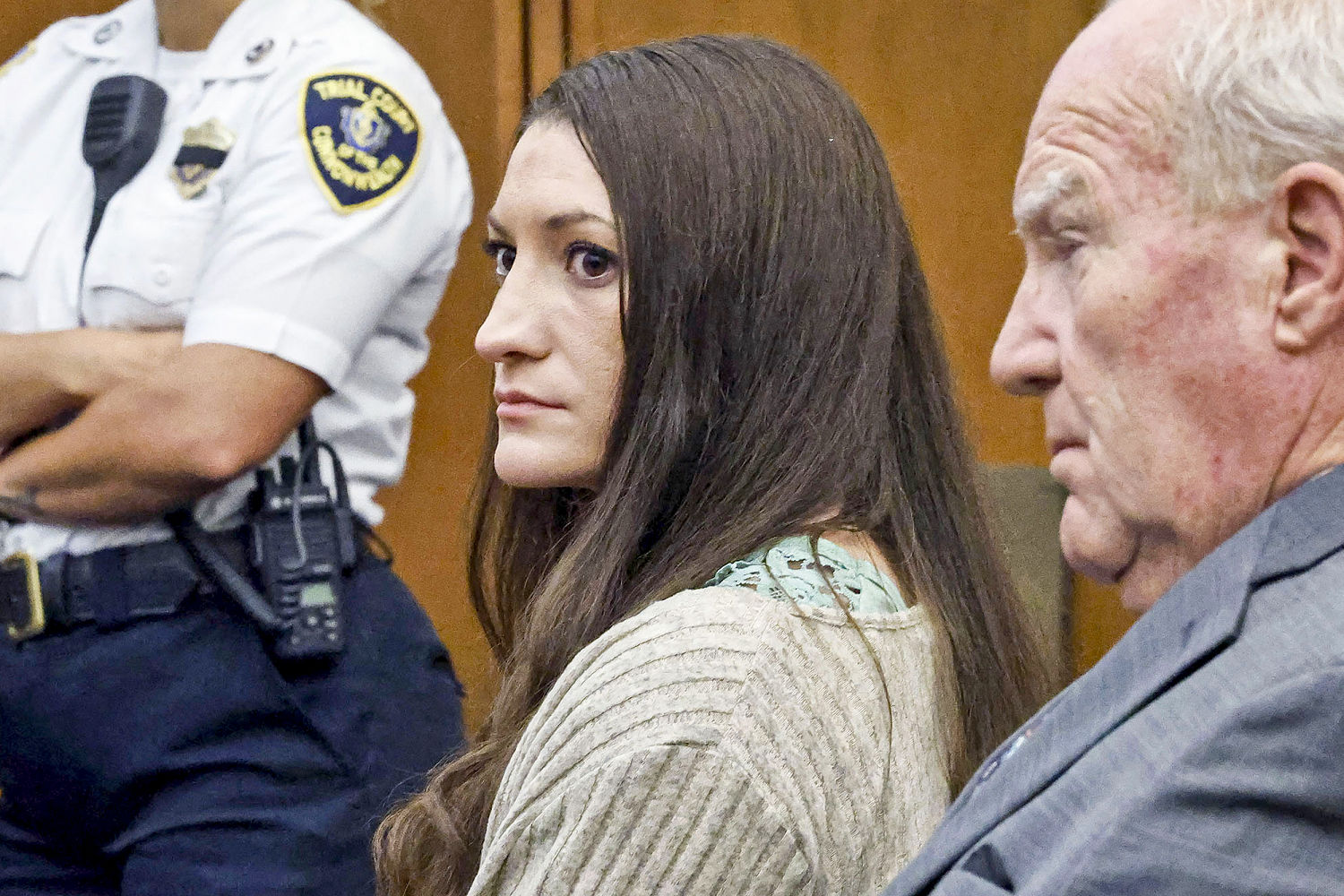
The jury in Plymouth, Massachusetts, is stuck. After six grueling days of deliberations, the panel of nine women and three men told Superior Court Judge William Sullivan twice that they cannot reach a unanimous agreement. When a jury tells a judge they are at a complete impasse twice, a mistrial stops feeling like a distant possibility and starts feeling like an inevitability.
This high-profile case centers on Lindsay Clancy, a 36-year-old former labor and delivery nurse who admits to strangling her three young children—Cora, Dawson, and Callan—with exercise bands in the basement of their Duxbury home on January 24, 2023. She then jumped from a second-story window, an act that left her paralyzed from the waist down.
The core question isn't whether she did it. The battle lines are drawn entirely around her state of mind.
The Defense and Prosecution Clash on Reality
Defense attorney Kevin Reddington built his entire case around severe mental illness. He argues that Clancy was suffering from acute postpartum psychosis, hearing voices telling her to end her life and take her children with her so they wouldn't suffer. Medical experts for the defense detailed a terrifying descent into paranoia and severe depression following the birth of her youngest child, compounded by a cocktail of psychiatric medications.
The state sees a completely different picture. Prosecutors argue that Clancy knew exactly what she was doing. They point out that she deliberately sent her husband out of the house on errands to buy food and medicine, creating a window of opportunity. The prosecution's narrative is grim: Clancy was deeply depressed, exhausted, and wanted to end her own life, choosing to remove what prosecutors called her "protective factor"—her children—before attempting suicide.
What Happens When a Jury Deadlocks
Judge William Sullivan refused to let the jury quit easily. After receiving a second note stating they were deadlocked, Judge Sullivan read the jury the Massachusetts version of a dynamite charge, known as the Tuey-Rodriguez instruction.
This instruction puts immense pressure on holdouts. It reminds jurors that the case has to be decided by someone, urging them to seriously consider opposing viewpoints without abandoning their core convictions. Yet, hours after hearing this final push, the jury went home for the evening still without a verdict.
If the jury ultimately throws in the towel, Judge Sullivan will have no choice but to declare a mistrial.
The Road Ahead If a Mistrial Hits
A hung jury doesn't mean freedom or a clean slate. If a mistrial is declared, the charges against Clancy remain entirely active.
Prosecutors would face a brutal choice. They could roll the dice on an entirely new trial with a fresh jury, attempt to negotiate a plea deal with the defense, or drop the charges—though dropping charges in a triple-homicide case is virtually unprecedented. Meanwhile, defense teams are already signaling they are ready to do it all over again if necessary.
If the jury somehow manages to break the deadlock and issue a verdict, the stakes are equally stark. A conviction on first-degree murder carries a mandatory sentence of life in prison without parole. Conversely, an acquittal by reason of lack of criminal responsibility doesn't mean walking out the front door; a judge would order her confinement to a secure state mental health facility pending evaluations of public safety.
This trial laid bare the agonizing chasm between legal definitions of criminal responsibility and the horrifying realities of severe maternal mental health crises. As the courtroom waits for word from the jury room, the public division remains as raw as it was on day one.