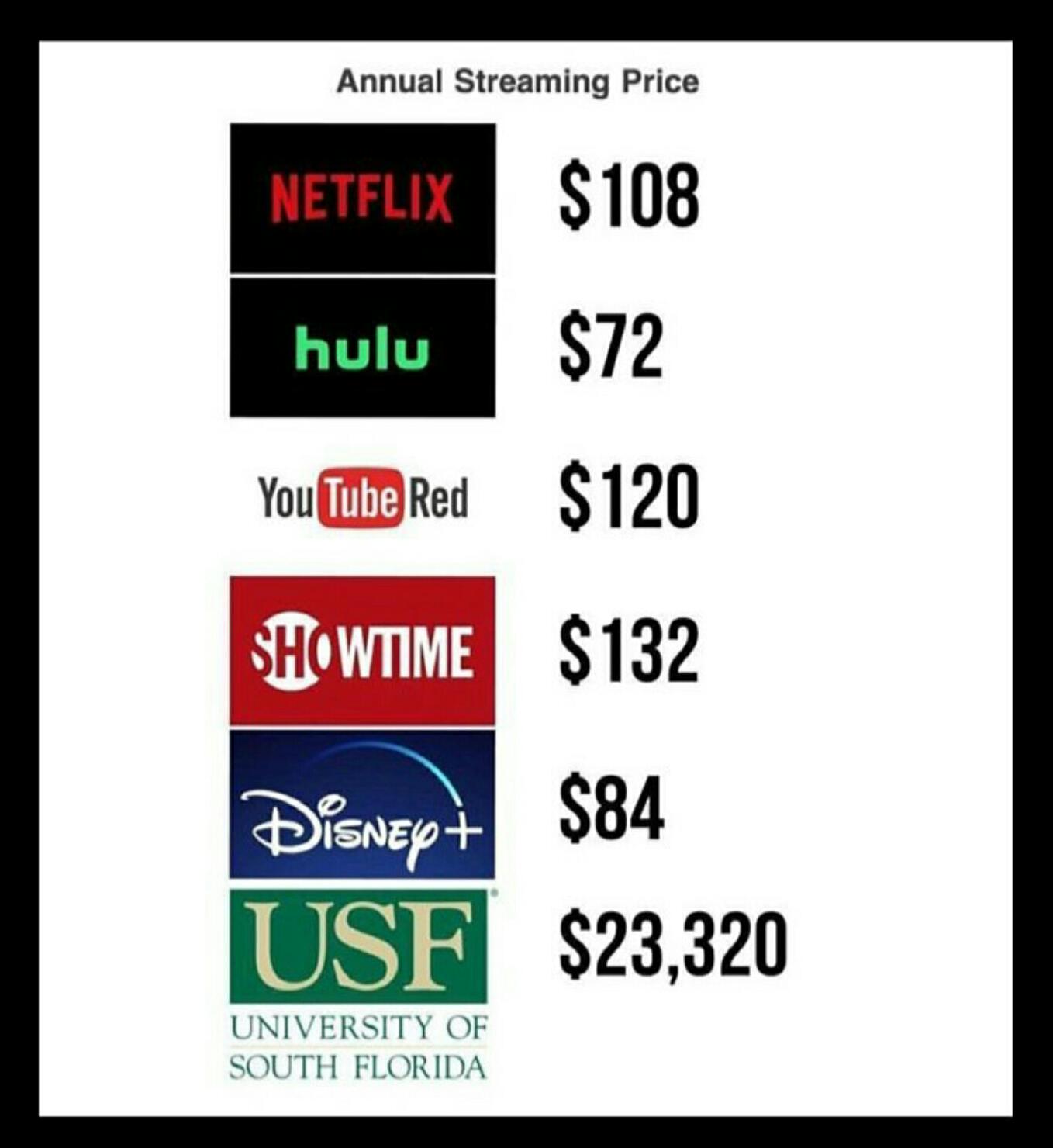
You just got the email. Again. Your monthly subscription is going up by two bucks, or maybe three if you want to keep the 4K stream that used to be standard. It feels like a betrayal. You stayed loyal through the password sharing crackdown and you sat through those clunky unskippable ads on the "budget" tier. Now, the bill is hitting a point where your total monthly streaming spend looks suspiciously like the old cable packages we all fought so hard to escape.
But here’s the cold truth. These price hikes are the direct result of how we consume media. We demanded endless content libraries. We wanted high-budget cinematic experiences on our iPads. Wall Street stopped subsidizing our binge-watching habits, and now the bill is due. The "Golden Age" of cheap streaming was a massive, investor-funded hallucination. It’s over.
The Myth of the Infinite Library
For years, platforms like Netflix and Disney+ operated at a loss to grab your attention. They spent billions on original programming that often had a shelf life of about two weeks. Think about it. When was the last time you revisited a mid-tier streaming original from three years ago? Probably never.
This model was never sustainable. Studios realized that licensing their shows to rivals—the very thing that built Netflix in the first place—is more profitable than hoarding them on a single app. That's why you’re seeing HBO shows pop up on Netflix. The industry is cannibalizing its own exclusivity just to keep the lights on. They need your extra $3.00 a month because the old way of doing business is literally bleeding cash.
High-end production costs have spiraled. A single episode of a flagship sci-fi or fantasy series can now cost $20 million. When you multiply that by a ten-episode season, you're looking at a $200 million gamble. If that show doesn't become a cultural phenomenon, it's a disaster. To mitigate that risk, services are hiking prices across the board. They aren't just charging you for what you watch. They’re charging you for the expensive failures you ignored.
Why Technical Tiers are a Scam
The most annoying trend isn't just the price increase. It's the "feature stripping." It used to be simple: you pay for the service, you get the best quality. Now, 4K resolution and Dolby Atmos are locked behind "Premium" tiers that cost nearly double the base rate.
It's a psychological trick. They make the mid-tier option feel inadequate so you'll spring for the top shelf. Most people can't even tell the difference between a high-bitrate 1080p stream and a compressed 4K stream on a standard 55-inch TV. Yet, we pay for it because we don't want to feel like we're getting a "lesser" version.
The Return of the Ad Break
If you think you can hide in the ad-supported tiers, think again. These tiers are actually more profitable for the streamers than the ad-free versions. Advertisers pay a premium to reach a "captive" audience that is increasingly hard to find on traditional TV. By pricing the ad-free versions so high, companies are practically begging you to switch to the ad-supported model. They want your data and they want those ad dollars.
Stop Overpaying for Content You Don't Watch
We've become digital hoarders. The average household now subscribes to five or more services. Half of those probably haven't been opened in a month. The industry relies on "subscription inertia"—the fact that you’re too lazy to click 'cancel' even if you aren't using the product.
It's time to change how you manage your digital life. The days of "set it and forget it" are gone. If you want to beat the price hikes, you have to be ruthless.
- The Rotation Strategy: Never subscribe to more than two services at once. Pick one for the month, binge the three shows you actually care about, and cancel it the moment the credits roll on the season finale. Then move to the next.
- Audit Your Hardware: If you're paying for a 4K tier but watching on a laptop or an older TV, you're throwing money away. Downgrade today.
- Check Your Perks: Many mobile phone plans or credit cards still bundle streaming services. You might be paying for a standalone subscription that you could be getting for free through your cellular provider.
- The Annual Trap: Don't lock yourself into an annual plan unless you are 100% certain you'll use it every single month. A $120 annual fee looks like a deal until you realize you only used the app in October and November.
The streaming giants aren't your friends. They’re businesses trying to satisfy shareholders in a market that has peaked. They’ll keep raising prices until we stop paying. The only way to win this game is to stop playing by their rules. Open your banking app, look at your recurring charges, and cut the dead weight right now. It takes thirty seconds to cancel, and that’s the only language these platforms actually understand.