The coffee goes cold on the dashboard long before the shift change.
Out here, the morning doesn't break with a cinematic swell of light; it bleeds through a thick, gray shroud of Douglas fir mist, smelling of damp cedar and diesel exhaust. For three generations, the heartbeat of this British Columbia valley hasn't been measured in stock tickers or quarterly reports. It has been measured in the deep, rhythmic thrum of the headrig—the massive saw screaming through ancient timber, turning mountain flanks into two-by-fours that built the suburbs of a continent. For a different view, check out: this related article.
Today, that sound feels different. Thin. Distant.
Behind closed doors in a downtown Vancouver boardroom thousands of miles from the sawdust, spreadsheets dictate a quiet, devastating geography. The decision has dropped like a felled cedar: the forestry company is packing its bags. Head offices, administrative desks, legal teams, and the strategic brain trust are heading south. Across the border. Into the United States. Similar insight regarding this has been published by MarketWatch.
They call it corporate restructuring. They call it market optimization.
When you strip away the polished jargon of the financial press, the reality hits with the force of a falling branch. This exodus is about survival in a pressure cooker. Between crushing American tariffs that act like a toll bridge on every truckload crossing the line, soaring domestic stumpage fees, and a dwindling supply of accessible timber, the math simply stopped working.
Consider what happens next.
When a headquarters moves, the money follows. The tax revenue that paved local roads and funded community centers evaporates. The corporate lawyers, the accountants, the logistics coordinators—the white-collar ecosystem that sprouted around the timber towns—board their own movers. What remains is a hollowed-out shell of extraction, stripped of decision-making power. The people pulling the triggers on future investments now sit in Seattle or Atlanta, looking at our forests not as homes or communities, but as distant red ink on a balance sheet.
To understand how we arrived at this quiet disaster, you have to look at the anatomy of a border trade war that has spanned decades.
Softwood lumber has always been the geopolitical football of North American commerce. American producers argue that Canadian timber is unfairly subsidized because most of it grows on public land—Crown land—where the government sets the harvesting fees. Canadian producers argue that the system is fair, that the geography dictates the ownership, and that the U.S. simply cannot grow enough trees to meet its own housing demands.
The result is a bureaucratic trench warfare of countervailing and antidumping duties. Tariffs bounce up and down like a seismograph during an earthquake, sometimes hovering near twenty percent. Imagine running a business where a politician's pen in Washington can instantly slice a fifth off your profit margin before your product even hits a Home Depot parking lot.
That is not business. That is a siege.
Meet Arthur. (Though his name is changed to protect a pension he spent forty years earning, Arthur is every old-school millwright who ever patched a conveyor belt with baling wire and hope.) Arthur doesn't care about the Harmonized Tariff Schedule. He cares about the alignment of the carriage wheels. He cares about the smell of hot resin and the way the wood behaves when the weather turns wet.
When told that the company is moving its corporate heartbeat south, Arthur doesn't quote market capitalization. He just looks out the dusty window of the breakroom toward the log sort yard.
"They’re chasing the log trucks," Arthur says, wiping grease from a calloused thumb onto his faded denim trousers. "Or what's left of 'em. But you can't ship the mountain. You can't pack up a valley and put it in a U-Haul."
He is right. And yet, the corporate office is doing the next best thing. They are fleeing the jurisdiction that birthed them, seeking refuge where energy is cheaper, regulatory friction is lower, and the border tariffs can be bypassed by simply operating inside the fence line of the consumer market.
The irony is thick enough to choke on. For a century, the wealth of British Columbia was exported as raw logs or finished lumber to build American dreams. Now, the very brains that managed that wealth are packing up their briefcases and following the sawdust trail out of the country.
We are watching the unravelling of an industrial identity.
Economists will write papers about this shift. They will talk about regulatory arbitrage, capital flight, and comparative advantage. They will use terms like friction and liquidity. They will treat the exodus as a neat equation of supply and demand, a clinical adjustment in a globalized economy.
They will miss the point entirely.
The real cost isn't measured in lost tax dollars, though those will hurt the local clinic and the community rink. The real cost is the severing of stewardship. When the headquarters of a resource company leaves the land it harvests, empathy dies. Decisions about which mill stays open and which town becomes a ghost town are no longer made by people who buy groceries at the local market or coach the minor hockey team. They are made by algorithms and executives who have never smelled pine pitch in their lives.
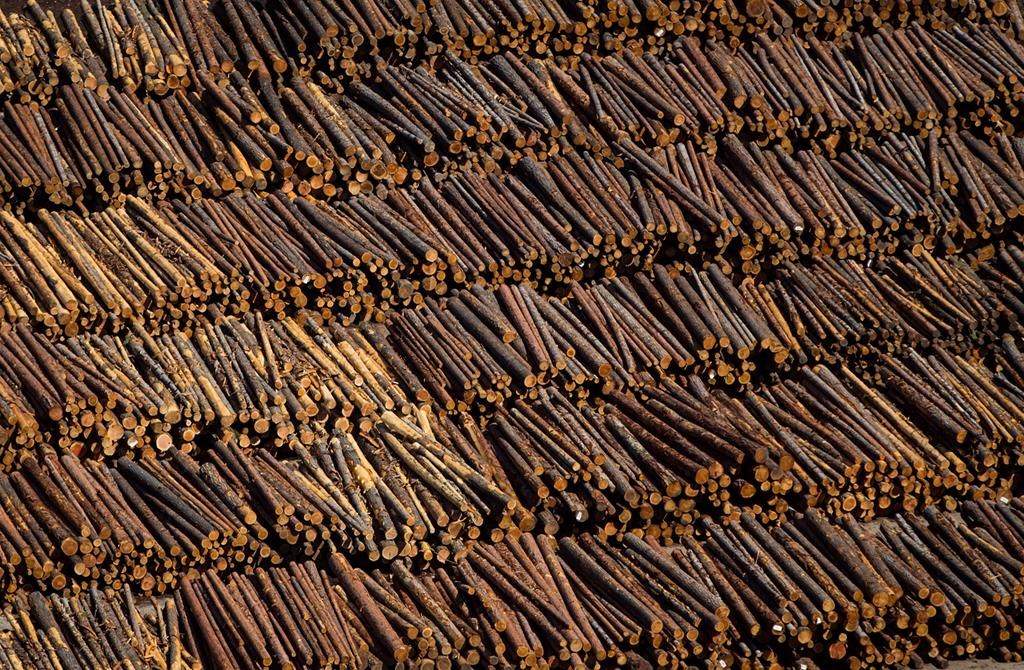
The mist is lifting off the river now, burning off under a pale, indifferent sun. Down at the yard, the log loaders are still moving, heavy and purposeful, lifting massive cedar logs like toothpicks. The saws are still turning.
For now.
Across the valley, a single raven calls out from the skeleton of a dead snag, echoing across the clearing. The boardroom lights in Vancouver are turning off for good. The trucks are lining up at the border crossing, idling in the exhaust, waiting for the gate to rise.