The soil in Iowa does not forgive a bad spring. It cracks, it bakes, it hardens into an iron crust that breaks machinery and turns men old before their time.
Arthur knew that crust by heart. For forty-two years, his hands had mapped the contours of three hundred acres of corn and soybeans, a patrimony handed down by a grandfather who believed that a straight row was next to godliness. But dirt does not pay the fertilizer bill when a derecho flattens half your yield, and tractors do not run on sentiment.
One evening in late October, sitting at a Formica kitchen table that smelled faintly of damp wool and black coffee, Arthur watched his granddaughter, Chloe, swipe effortlessly across a glowing rectangle of glass. She wasn’t looking at weather reports or commodity futures on the Chicago Board of Trade. She was looking at a geodesic dome tucked into a grove of redwoods three states away, marveling at a nightly rate that made Arthur’s eyes narrow in disbelief.
Two hundred and fifty dollars a night. For a tent.
Arthur looked out the window at his machine shed. Inside sat a John Deere combine that cost more than a suburban home, leaking oil onto a concrete floor that desperately needed pouring. Outside, the corn stood dry and whispering in the dark, waiting for a harvest that would barely clear the bank loan.
That was the night the tractor stopped being the only thing growing on the farm.
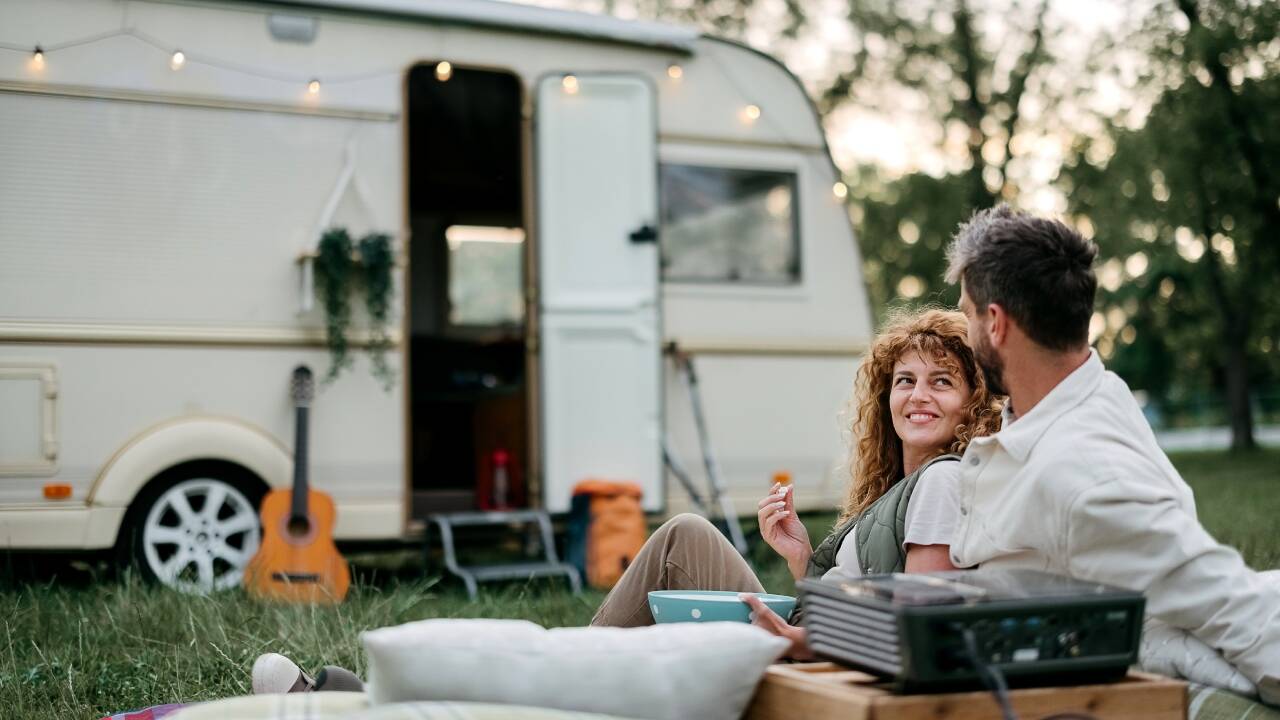
Across the American heartland, a quiet economic tectonic shift is underway. It is not being heralded by ticker tapes or congressional hearings. It is happening in machinery sheds converted into rustic lofts, in vintage Airstreams parked beside weathered barns, and in spare bedrooms where the wallpaper smells faintly of grandmother’s lavender. Farmers—traditionally the most stubborn, land-bound demographic on the continent—are opening their gates to strangers.
They are turning their properties into boutique rural retreats.
To understand why this is happening, you have to understand the modern arithmetic of agriculture. Farming has become a high-stakes gamble against global supply chains, erratic climate patterns, and equipment monopolies that treat a busted transmission like a mortgage default. According to agricultural economists, net farm income often swings wildly year to year, leaving generational landowners scrambling for predictable cash flow. When the grain elevator offers prices that insult the sweat poured into the furrow, desperation breeds innovation.
Enter the weekend traveler.
The city dweller is starving. Not for calories, but for silence. They live in glass-and-steel towers where the air is filtered and the stars are drowned out by light pollution. They are exhausted by screens, meetings, and the relentless hum of urban anxiety. When they look at a map, they do not see flyover country; they see an escape hatch.
They want to wake up to the smell of damp hay and cow manure. They want to drink coffee on a porch where the nearest traffic light is twenty miles away. They want authenticity, even if they only want to consume it for forty-eight hours before driving back to their Wi-Fi routers.
For Arthur, the transition wasn't cinematic. It began with an old granary built in 1946—a sturdy timber structure with oak beams seasoned by decades of dust and ambition. The grain bins had long since rusted out, but the skeleton was sound.
With a twenty-thousand-dollar home equity line of credit and a stubborn refusal to admit defeat, Arthur and his son spent six months insulating walls, running copper plumbing, and turning a shrine to agricultural storage into a two-bedroom retreat they christened The Granary at Miller Creek.
Let us be clear: this is not a fairy tale without friction.
When Arthur first listed the space on Airbnb, the local farming community looked sideways at him. In rural counties, pride is currency. Renting out your land to tourists felt dangerously close to admitting failure, like selling the family silver to pay the butcher. At the local diner, over greasy eggs and lukewarm coffee, old acquaintances muttered about strangers tracking mud across property that had belonged to the Millers since Grover Cleveland was in office.
Arthur felt the sting. But he also felt the crisp rustle of three hundred dollars cash deposited into his account after a single weekend family reunion from Des Moines.
The friction, as it turns out, is the price of admission to a new economy.
Consider the mechanics of this transformation. It requires a fundamental shift in mindset. A farmer is a producer of commodities—bushels, pounds, gallons. Agritourism turns the farm into an experience. The corn is no longer just animal feed or high-fructose corn syrup; it is the golden backdrop for an Instagram photo shoot at sunset. The rusty tractor is no liability; it is rustic industrial chic.
This is where the critics often get it wrong. They argue that turning farms into short-term rentals cheapens our agricultural heritage, turning sacred dirt into a theme park for tech workers seeking a weekend dose of faux-pioneer life.
They miss the point entirely.
Heritage does not pay property taxes. Sentimentality does not buy seed corn. If a farmer cannot diversify, there is no heritage left to preserve—only corporate conglomerates buying up contiguous acreage until every horizon is a monoculture unbroken by a homestead, a porch light, or a human soul.
By welcoming guests, these families are not selling out; they are holding on. They are creating a financial buffer that insulates them from bad weather and predatory commodity markets.
By the second summer, the Granary at Miller Creek had a ninety percent occupancy rate from May through October. Chloe managed the digital side—answering messages about local hiking trails, updating the listing photographs, and managing the cleaning checklist between guests. Arthur managed the human side.
He discovered an unexpected joy in it.
On a Tuesday afternoon in July, Arthur found himself standing by the old stock tank with a city accountant named Marcus and his seven-year-old daughter, Lily. Marcus was wearing pristine running shoes that were rapidly turning white with limestone dust. Lily was crouched down in the clover, staring wide-eyed at a bumblebee as if it were a visiting Martian.
Arthur didn't talk about crop yields or fertilizer futures. He talked about the red-tailed hawk circling the tree line. He showed Lily how to shuck an ear of sweet corn without bruising the kernels. He explained, in his slow, deliberate drawl, why the wind always blows from the west across the flatlands.
Marcus listened with an intensity he usually reserved for quarterly financial audits. Later, in a glowing five-star review that would make Arthur's listing a Superhost destination, Marcus wrote: We didn't just rent a place to sleep. We rented a perspective.
That is the invisible stake in this movement. It is not just about real estate arbitrage or passive income. It is about bridging a cultural chasm that has grown dangerously wide in America.
For decades, rural and urban populations have drifted into separate solar systems, mutually suspicious, consuming entirely different media diets, and voting with mutual incomprehension. The city sees the country as backward; the country sees the city as decadent.
But put a weary corporate lawyer on a front porch at dusk, let him watch fireflies blink over a soybean field while an old farmer tells stories about a drought in seventy-six, and the political abstraction dissolves into human flesh and blood.
The farmer learns that the city slicker isn't an enemy of the land, just someone who forgot where food came from. The city slicker learns that rural America isn't a museum piece or a punchline, but a living, breathing landscape of ingenuity and endurance.
Of course, the model has its breaking points. Local zoning boards are waking up to the influx of transient visitors. Municipalities in rural counties are wrestling with septic capacities, noise ordinances, and the delicate balance between boosting local tourism revenue and preserving the quietude that made the countryside desirable in the first place. Some counties have slapped caps on short-term rentals, forcing landowners to navigate a labyrinth of permits and public hearings.
Yet the momentum is unstoppable.
The economic gravity is too strong. When a family farm faces foreclosure, the choice is rarely between preserving pastoral silence and welcoming travelers; the choice is between welcoming travelers and selling out to a massive commercial developer who will pave the acreage into suburban tract housing and a strip mall.
In that light, a row of Airbnb cabins behind a machine shed looks less like a disruption of rural tradition and more like its final, desperate, brilliant defense.
On a crisp Friday afternoon this past autumn, the gravel driveway of the Miller farm crunched under the tires of a Subaru SUV. Arthur was out by the barn, oiling the chains on a couple of old Schwinn bicycles he had picked up at a garage sale for his guests to use.
A young couple stepped out of the car, breathing deeply, their shoulders visibly dropping as the vast, indifferent sky opened up above them. They looked at the endless rows of harvested fields stretching toward the horizon, stripped down to stubble and rich, dark loam.
Arthur wiped his hands on a greasy rag, walked over, and extended a palm calloused by a lifetime of wrestling with the earth.
"Welcome to Miller Creek," he said.
The wind rustled through the dry corn husks at the edge of the yard, a soft, papery applause. The sun dipped below the western tree line, bleeding long purple shadows across the dirt. Out here, the harvest wasn't over yet. It was just changing its crop.