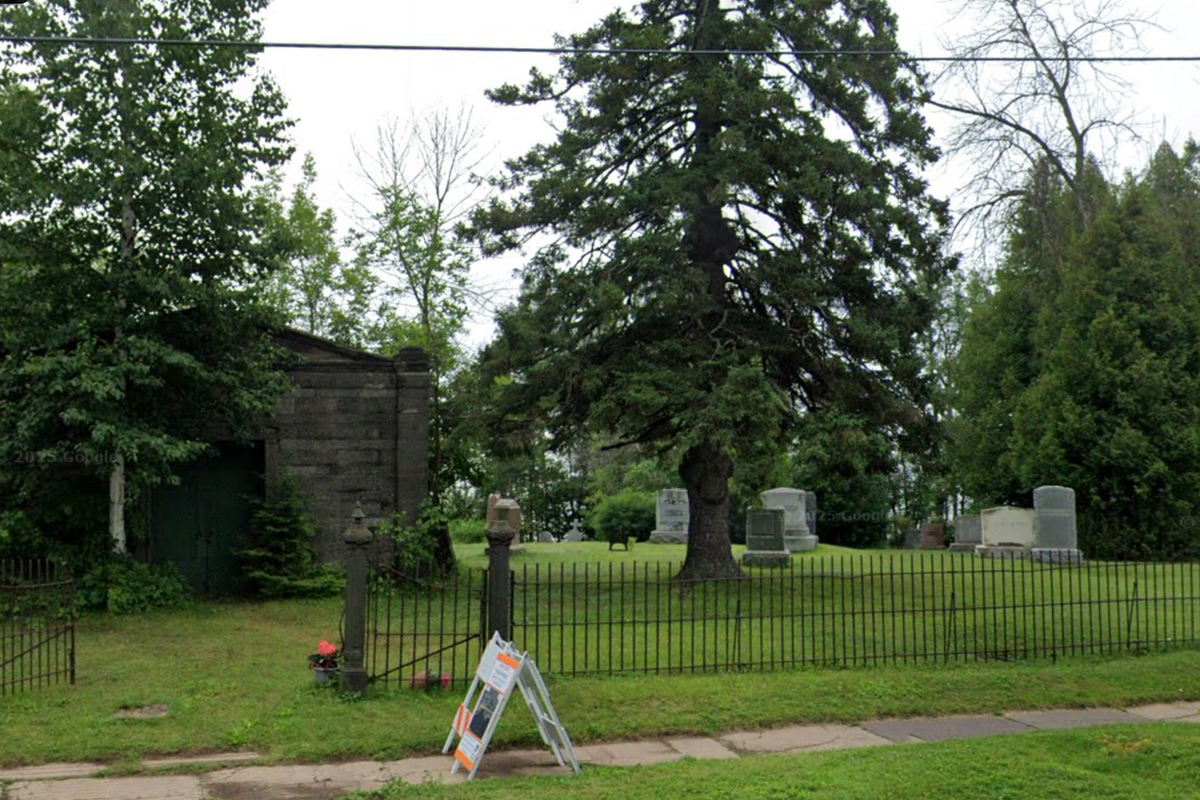
The waves don't care about your ancestors. That's the cold reality hitting the shores of Lake Superior right now. Recent storms and rising water levels have done more than just reshape the coastline. They've literally unearthed the dead. At several historic sites along the Great Lakes, particularly in regions where sandy soil meets the aggressive push of the largest freshwater lake by surface area, human remains are being exposed as the earth falls away. It’s a messy, heartbreaking intersection of climate change and heritage management that we’ve ignored for too long.
When you think of Lake Superior, you probably think of shipwrecks or cold, clear water. You don't usually think of femurs sticking out of a clay bank. But for the communities living along the Wisconsin and Michigan shorelines, this isn't a horror movie plot. It's a logistical and spiritual crisis. The lake is reclaiming land at an alarming rate, and it’s taking the cemeteries with it.
Why Lake Superior is eating the graveyards
The geology here is a problem. Much of the shoreline consists of glacial till—basically a mix of sand, gravel, and clay left behind by retreating ice sheets thousands of years ago. It’s not solid rock. When Superior gets angry, those high-energy waves behave like a pressure washer against a sandcastle.
During the "Gales of November" or even the increasingly common summer "supercells," the water levels surge. In the last decade, we’ve seen record highs in the Great Lakes basin. When the water stays high, it saturates the base of the bluffs. The ground becomes heavy and unstable. Then comes the landslide. If there happens to be a 19th-century cemetery on top of that bluff, those graves are going into the drink.
It isn't just about the water height, though. It’s about the lack of ice. Historically, ice cover acted as a buffer. It protected the shoreline from winter wave action. Without that frozen shield, the lake has twelve months a year to chew on the land. We are seeing erosion rates that used to take decades happening in a single season.
The legal and ethical nightmare of exposed remains
Finding a bone on the beach isn't like finding a cool piece of driftwood. You can't just pick it up. In fact, doing so probably violates a half-dozen state and federal laws.
In Michigan and Wisconsin, the discovery of human remains triggers an immediate legal process involving the medical examiner and often the State Historic Preservation Office (SHPO). The first step is always determining if the remains are part of a modern crime scene. Once they’re identified as "archaeological" or "historic," the real headache starts.
Many of these eroding sites are Indigenous burial grounds. The Native American Graves Protection and Repatriation Act (NAGPRA) comes into play here. This isn't just a matter of moving a box. It’s about respect, sovereignty, and specific cultural protocols that vary from one nation to another. For the Anishinaabe people, these ancestors were placed there with the intent of staying there forever. Moving them is a profound disruption.
The high cost of holding back the tide
We keep trying to engineer our way out of this. We build riprap walls—huge piles of limestone or granite meant to break the waves. We build steel bulkheads. They don't always work.
- Hard armoring often fails. Water finds a way around the edges. If you protect one person's property, the energy often deflects to the neighbor's land, making their erosion twice as bad.
- It is incredibly expensive. Placing rock along a shoreline can cost upwards of $2,000 per linear foot. For a small municipality or a struggling historic church, that money doesn't exist.
- Nature wins eventually. You can't fight Lake Superior forever. The lake has a "fetch"—the distance wind can travel over open water—of hundreds of miles. That builds up a terrifying amount of energy.
I've seen communities try to relocate entire cemeteries. It’s a gruesome, painstaking process. You have to map every plot, identify descendants if possible, and carefully exhume remains that may have been in the ground for 150 years. Sometimes, there isn't even a coffin left. Just a change in soil color and a few teeth. It’s a race against the next big storm.
What happens when the history is gone
Every time a section of a lakeside cemetery falls into the water, we lose data. We lose the genealogy of the families who built the fishing villages and mining towns. We lose the physical connection to the people who lived on this land before the borders were even drawn.
Historians and archaeologists are scrambled. They’re basically doing "triage archaeology." Instead of a careful, multi-year study, they’re digging in the rain while the ground crumbles under their boots. They’re trying to save what they can before the lake turns the bones into beach glass.
It’s a grim reminder that our "permanent" markers are anything but. We like to think of a cemetery as a final resting place. The term "final" implies a stability that the Great Lakes simply don't recognize.
How to handle a discovery on the shore
If you’re walking a beach on Lake Superior and you see something that looks like it belongs in a biology textbook, don't be a hero. Don't post it on Instagram for clout. That’s someone’s relative.
Stop where you are. Mark the location with GPS if you can, but don't disturb the area. Call the local sheriff's department or the DNR immediately. They have the protocols to handle this. If the remains are found on tribal land, contact the tribal historic preservation officer.
The worst thing you can do is "collect" a souvenir. Beyond being illegal, it’s a massive slap in the face to the descendants of those people. Most of these sites are now being monitored by drones and local volunteers, but the shoreline is vast.
Moving toward a strategy of managed retreat
We need to stop pretending we can save every foot of the Great Lakes coastline. The concept of "managed retreat" is a hard pill for people to swallow, but it’s the only logical path forward.
This means identifying at-risk cemeteries and historical sites now, before they start falling into the water. It means having the hard conversations with families and tribal leaders about relocation today. If we wait for the bluff to collapse, we aren't "preserving" anything. We’re just cleaning up a mess.
Government funding needs to shift from temporary "band-aid" sea walls to long-term relocation projects. We’re currently spending millions on rocks that will be underwater or scattered in twenty years. That money should be going toward moving our ancestors to higher, safer ground.
Check the local shoreline management plans for your county. If they don't have a specific provision for historic cemeteries, start asking questions at the next board meeting. Erosion isn't an "if" on Lake Superior; it's a "when." We owe it to the people who came before us to make sure their rest stays as peaceful as possible, even if that means moving them away from the view they once loved.
Stop assuming the ground beneath your feet is static. On the shores of Superior, the map is being rewritten every single night. Pay attention to the weather reports and support local historical societies that are doing the heavy lifting of relocation. Your own family history might depend on it.

.jpg?width=1200&auto=webp&crop=3%3A2)

