Australia’s political middle is thinning out. If you’ve looked at a Newspoll lately, you’ve seen the numbers. Pauline Hanson’s One Nation is sitting at a record 22% of the primary vote, effectively breathing down the neck of the Coalition. But the real story isn't just about conservative voters jumping ship. It’s about the 45% of Labor supporters who say they’re open to voting for One Nation.
This isn't a glitch. It’s a klaxon.
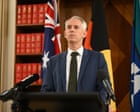
Labor frontbencher Andrew Giles recently laid it out straight. He says Hanson and her right-wing populist allies are cynically exploiting the frustrations of people who feel forgotten. He’s talking about the "left behind"—voters who see AI upending their workplaces, cost-of-living spikes eating their savings, and a government that sounds like it’s speaking a different language.
The gap between policy and the kitchen table
While the government talks about "foundational literacy" and "digital transitions," people in regional hubs and outer suburbs are looking at their power bills. They aren't interested in a lecture on the "economic necessity" of digital skills if they can't afford the petrol to get to a job that might not exist in three years.
Giles argues that better education is the only way to stop the rot of disenfranchisement. He's right, technically. But you can't educate someone out of the feeling that the system is rigged against them. When the Reserve Bank of Australia hiked rates to 3.85% in February 2026, it didn't just add $100 to a monthly mortgage. It confirmed a suspicion that the "little people" always take the hit while big tech and multinationals skate by.
Hanson’s genius—if you want to call it that—is simplicity. She doesn't offer a 50-page white paper on productivity. She offers a target. Whether it's immigrants, the "elites," or the United Nations, she gives frustrated voters a name for their pain. Labor is finally admitting that this "reactionary tactic" is working because the frustration itself is real.
Why the left behind are moving right
The "left behind" isn't a metaphor. It’s a description of people whose wages have been eroded by the post-pandemic inflation surge. According to recent OECD data, real disposable incomes in Australia have taken a massive hit.
- Housing is a pipe dream: In Sydney, buying a home on two average wages is now described by some senators as "basically impossible."
- Regional neglect: While 30% of Australians want to move to regional areas for affordability, they're terrified of the lack of healthcare and schools once they get there.
- The AI shadow: Workers are scared they’re training their own replacements every time they learn a new software suite.
One Nation fills this void with a "Fortress Australia" mentality. They promise to slash immigration to 130,000—or even 70,000—arguing that it’s the only way to fix the housing crisis. It’s a blunt instrument, sure. But compared to Labor’s nuanced talk about "supply-side constraints" and "capital gains tax discounts," it’s a message that actually lands.
The hypocrisy trap
Labor is trying to fight back by pointing out the glaring contradictions in the One Nation brand. You’ve likely heard the stories. While Hanson claims to fight for the "battlers," she’s been spotted jetting off to Mar-a-Lago on billionaire Gina Rinehart’s private Gulfstream. It’s hard to claim you’re one of the "forgotten" when you’re at a $25,000-a-head party in Florida.
But here’s the thing: her supporters don't seem to care.
Populism isn't about being perfect; it’s about being heard. When Hanson ignores a censure motion or rails against the "outraged elites," her base sees a fighter, not a hypocrite. They see someone who hates the same people they hate. If Labor wants to win these people back, they need more than just "Free TAFE" posters. They need to show they actually understand the visceral fear of being replaced by a machine or priced out of your own neighborhood.
What comes next for the major parties
The upcoming South Australian election and the Farrer by-election on May 9 will be the real test. If One Nation holds that 22% primary vote, the "major" parties cease to be major in the traditional sense. We’re looking at a fractured parliament where grievance is the primary currency.
Giles is pushing for a focus on skills and training as an "equalizer." It’s a solid long-term play. But the short-term reality is much messier. To kill the populist surge, the government has to do more than just manage the economy—it has to make the economy feel fair again. That means moving beyond the rhetoric of "literacy" and actually tackling the "broligarchy" and the housing giants that are making life a grind for the average Australian.
If you're feeling the squeeze, don't just wait for the next speech from a think tank. Look at the actual voting records on housing and tax reform. Check which parties are actually trying to limit the power of big tech versus those just talking about "digital skills." The "left behind" have a vote, and in 2026, they aren't afraid to use it to blow up the status quo.